

 About PBC
Main Programme Sessions Review
Programme BookDAY 1
7 Sep
DAY 2
8 Sep
Opening Ceremony
Welcome Remarks
In his opening remarks, Martin Liao, Chairman of The Hong Kong Jockey Club, welcomed delegates to the fifth edition and 10th anniversary of the PBC Forum. He noted that, over the past decade, the Forum has engaged more than 10,000 participants and featured over 380 speakers from more than 40 countries and regions, making it a major global philanthropic gathering. Against a backdrop of complex social needs, demographic change, technological disruption and climate challenges, he emphasised philanthropy’s growing importance in mobilising communities, businesses and civil society alongside governments. He also highlighted Hong Kong’s role as a bridge between East and West, connecting ideas, capital and communities.
The Club’s Chairman explained that the 2026 Forum, convened by The Hong Kong Jockey Club Charities Trust in association with the Institute of Philanthropy, would examine systems change, new approaches to capital and cross-sector collaboration. Discussions would cover impact capital, heritage conservation, healthy ageing, urban poverty, youth development, climate resilience and inclusive employment. Under the theme “Leaping for Impact”, the Forum draws on the Olympic and Paralympic values of excellence, friendship, determination and inclusion, while considering sport’s capacity to foster trust and social impact. Reaffirming the Club’s not-for-profit purpose, he noted that more than 90% of its operating surplus after tax is donated to the Trust. In 2025/26, the Trust approved nearly US$1.1 billion for 191 charitable and community projects. He also introduced the Trust’s inaugural Impact Report and the Commission on Asian Philanthropy’s interim report, intended to strengthen evidence, shared learning and practical action.
Guest of honour Chan Kwok-ki, Chief Secretary for Administration of the HKSAR Government, highlighted Hong Kong’s longstanding culture of compassion and giving. The city has more than 11,000 tax-exempt charities, with over 400 new charitable organisations recognised in the previous year, while approved donations exceeded US$1.5 billion in the 2024/25 assessment year. He reaffirmed the Government’s commitment to developing Hong Kong as a global philanthropic centre, supported by “One Country, Two Systems”, its transparent tax regime and its position linking Chinese and global capital.
He also pointed to Hong Kong’s strength in wealth management, noting that the city is home to more than 3,300 single-family offices and manages around US$5.4 trillion in assets. He concluded by urging delegates to collaborate in building a safer, brighter and more sustainable future.

Hong Kong Palace Museum
Address at Opening Ceremony
Dr Thomas Bach, Honorary President for Life, International Olympic Committee
In a video address at the opening ceremony, International Olympic Committee Honorary President Thomas Bach congratulated PBC on reaching its 10th anniversary. He highlighted the power of sport to build a better world, noting that athletes compete fiercely at the Olympic Games while living harmoniously together in the Olympic Village, embodying the Olympic values of excellence, friendship and respect.
He described sport as a low-cost, high-impact tool for building healthier and more inclusive communities, and as a bridge that brings people together through the pursuit of excellence, friendship and mutual respect. Recalling The Hong Kong Jockey Club’s important contribution to the successful staging of the equestrian events at the Beijing 2008 Olympic Games, he emphasised that philanthropy can play a vital role by investing in sport, enabling more people and communities to share in its benefits. He said that this year’s Forum theme, “Leaping for Impact”, captures this shared ambition, encouraging participants to move forward with determination and courage.
Hong Kong Palace Museum
Keynote 1
A New Era for Philanthropy: Leading Through Complexity
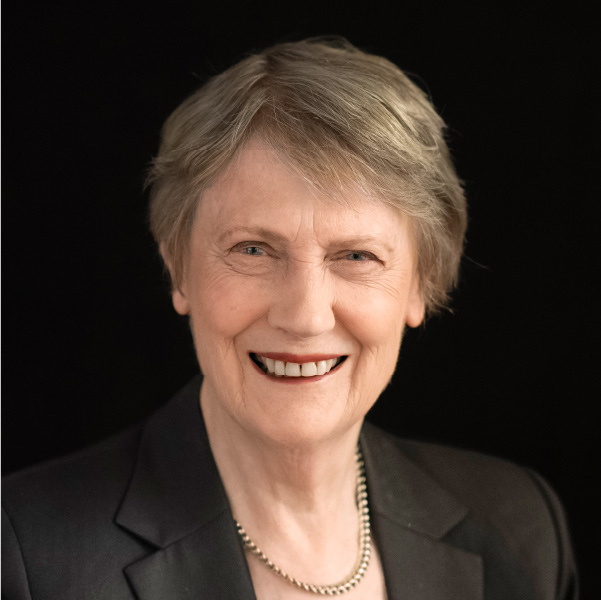
In her keynote, Helen Clark examined global forces and their implications for philanthropy. She described a transition from a unipolar order towards an uncertain multipolar system, with international institutions, legal frameworks and cooperation under mounting pressure. Declining development assistance – particularly for global health – has also had severe consequences for low- and middle-income countries. Nevertheless, Clark rejected despair, emphasising that individuals, communities and organisations retain the agency to create positive change.
Clark identified nuclear weapons, pandemics, climate change, ecosystem collapse and artificial intelligence (AI) as existential threats requiring collective action. Yet geopolitical polarisation, weakened multilateral institutions and distrust of science obstruct effective responses. She highlighted climate-change denial, anti-vaccination campaigns and falling childhood immunisation rates as examples of how misinformation can endanger lives. Social media platforms with few safeguards have amplified polarising content and public mistrust. Meanwhile, conflicts have disrupted food and fuel supplies, increased living costs and delayed progress on ending poverty and hunger, while humanitarian crises have exposed persistent violations of international law.
Against this backdrop, Clark argued that philanthropy exists to do good and has growing significance in leading critical areas such as poverty elimination, health, education and environment.. Philanthropic organisations can provide a voice and practical support for innovators, catalysers and implementers who seek to improve the lives of others, the state of the environment and the world in which we live.. Drawing on her involvement in sport, Clark suggested that philanthropy could emulate successful teams by combining strong leadership and vision with innovation, talent and loyal partners. She concluded that philanthropy must lead with courage and conviction, demonstrate better ways forward and help bring societies together.
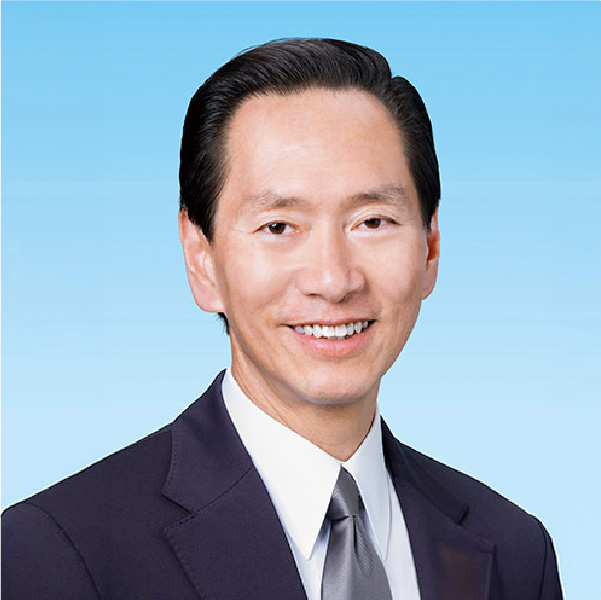
In her discussion with Bernard Charnwut Chan, Clark elaborated on the severity of existential threats. She stressed the need to, for example, strengthen pandemic preparedness through disease surveillance, testing, treatment and vaccine development, particularly in fragile and marginalised regions. On AI, she acknowledged its potential to accelerate scientific and medical breakthroughs but warned about various issues such as lethal autonomous weapons, job disruption, inequality and the power demands of mega data centres, which lacks global guardrails and governance.
The discussion also explored how trust and resources could be mobilised. Clark maintained that confidence in institutions such as the United Nations and World Health Organization must be rebuilt, while public health messages should be delivered through trusted community figures and adapted to diverse populations. Where governments have limited reach, philanthropic and humanitarian organisations can often access communities that others cannot. To counter online misinformation, she advocated media literacy, source-checking and enforceable codes of conduct for digital platforms. Clark ultimately called for partnerships that mobilise resources at scale and pursue catalytic impact, positioning philanthropy not merely as a funder of last resort, but as a source of leadership, innovation and hope.
Hong Kong Palace Museum
Speaker(s)
Helen CLARK
Moderator
Bernard Charnwut CHAN
Commission on Asian Philanthropy
Interim Report Launch
The session marked the launch of the Commission on Asian Philanthropy’s Interim Report, presenting new research into the scale, diversity and development potential of giving across Asia. A video presentation traced the Commission’s creation two years earlier by leading regional foundations seeking to understand whether there is a distinctively Asian approach to philanthropy and how greater collaboration could support a more inclusive future.
The report portrays Asian philanthropy as a broad ecosystem in which communities, businesses and governments contribute complementary resources and capabilities. Community-led and faith-based giving offers trusted networks and shared values; state-led models provide legitimacy for public-private partnerships; businesses contribute private-sector expertise and assets; and ultra-high-net-worth donors bring relationships and patient capital. Examples included Islamic zakat, India’s mandatory corporate social responsibility framework and digital platforms that make giving more accessible and efficient.
The research estimates that domestic giving across participating jurisdictions reached US$109 billion in 2024 – equivalent to more than US$1 trillion over the coming decade. However, the Commission stressed that philanthropy’s value extends beyond funding. Trusted relationships, institutional legitimacy, local knowledge and long-term commitment can help societies address national priorities in areas such as health, education and livelihoods. Strengthening these ecosystems will require better data, cross-border learning and deeper coordination among state, market and community actors.
At the on-stage launch, representatives of the Commission’s member organisations gathered around plants symbolising the cultivation of philanthropic ecosystems. Hong Kong’s indigenous incense tree and the report’s tree model illustrated how the visible scale of giving – the canopy – is sustained by deeper roots, including trusted networks, common values and diverse giving traditions. Commissioners then watered the plants together, formally launching the report and underscoring its central message: Asia’s philanthropic potential can be realised by nourishing shared foundations and strengthening collaboration for long-term, systemic development.
Coffee Break
Plenary 1
Reimagining Capital for the Greater Good: A New Market for SME Financing
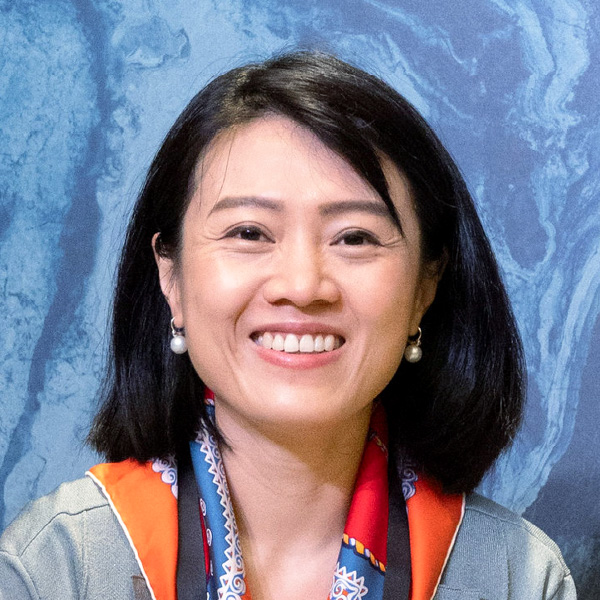
The session explored how capital markets might be redesigned to serve small and medium-sized enterprises more effectively, especially those far from traditional finance. Moderator Katy Yung framed the discussion around a clear mismatch: SMEs and micro businesses are central to jobs, livelihoods and community resilience, yet existing financial models often struggle to assess their risk, understand their cash flows or reach them at scale. In response, Charles Li set out a vision for a new market structure that could channel capital into these businesses more directly.
Li presented this as part of a broader effort to connect capital to parts of the real economy that conventional finance has often left behind. Drawing on his own career, he described Micro Connect as an attempt to remove barriers that keep money from reaching small businesses, especially in consumer-facing sectors. Although the company began in China, he argued that the problem is global, particularly across the Global South, where growth depends heavily on large numbers of small businesses rather than a relatively small group of major listed firms.
A central theme was information. Li argued that traditional finance depends on costly, labour-intensive due diligence, reporting and verification, making it hard to serve very small businesses or contracts economically. Digital payments and operating data now make much greater transparency possible at the level of individual shops and transactions, but he said Micro Connect initially underestimated the burden of processing such granular, fast-moving information. He spoke candidly about reaching a point, two years earlier, where the model seemed close to unworkable because it would have required tens of thousands of people to handle underwriting, monitoring and disclosure each day.
He identified recent advances in AI, especially agent-based systems, as the development that may make the model viable. In his account, AI matters less as a stand-alone technology than as an enabler of a different market design. Rather than treating corporations as the basic unit of investment, he proposed treating contracts and cash flows as investable entities that can be split, labelled in detail and combined into diversified portfolios. Investors, in this model, would focus less on onward sale and more on understanding the cash flow, risk and expected return of each contract.
The discussion also touched on investor appetite and catalytic capital. Li suggested that family offices, private credit funds, endowments and sovereign funds may be early adopters, while banks may move more slowly absent the conventional balance-sheet and credit-rating frameworks. He also argued that philanthropic or first-loss capital could help unlock wider participation by absorbing part of the risk and giving other investors greater confidence.
In response to an audience question and in closing, Li said he did not view this model as charity. Rather, he saw it as a sustainable, investable financial system for small businesses – one that could enable philanthropic and social-purpose capital to work with lower cost, greater openness and stronger local reach.
Hong Kong Palace Museum
Speaker(s)

Charles LI
Moderator
Katy YUNG
Plenary 2
The Evolving Role of Philanthropy in Social Services
The session considered the evolving role of philanthropy in responding to increasingly complex social needs and how its distinctive strengths can complement governments and public systems. Moderator Rosanna Wong highlighted mounting pressure on social services and the need for effective collaboration among governments, philanthropists and the private sector. Drawing on their experience in global health and institution building, the panellists considered how philanthropy can take thoughtful risks, support innovation and build partnerships.
Peter Sands argued that philanthropy’s higher tolerance for risk can help accelerate action where public funding is uncertain or slow to move. He cited the Global Fund’s rollout of a new long-acting HIV prevention tool in Africa, where philanthropic backing helped sustain momentum at a critical stage. More broadly, he suggested that philanthropy can play a catalytic role by mobilising public resources and helping promising interventions gain traction through government systems. Jane Halton believed that philanthropy made it possible to listen to people in the community, and draw on private-sector capabilities in delivery, resource mobilisation and data. Keizo Takemi likewise noted that philanthropy can help close financing gaps in addressing persistent global challenges such as infectious disease, alongside effective global health governance and public-private collaboration.
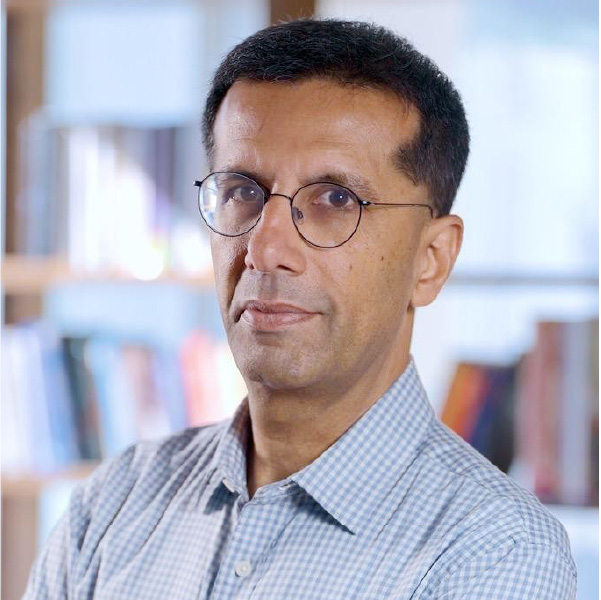
The discussion also explored the promise and difficulty of cross-sector collaboration. Jane Halton stressed that effective partnerships depend on shared goals, clear accountability and practical ways to manage shifts in priorities over time. Ashish Dhawan acknowledged the challenge of working with governments, where personnel and policy priorities can change. Even so, he argued that engagement with public systems remains essential because only government can provide the reach and scale needed for sustained impact. He also reflected on philanthropy in Asia, where more recent wealth creation gives many philanthropists the chance to start giving earlier and take a more active role in addressing current social challenges.
The panellists further considered how demographic change is reshaping social needs across Asia. Rapid ageing, for example, has become a shared regional challenge. Drawing on Japan’s experience, Takemi noted that an ageing population has brought social isolation into sharper focus. Halton added that demographic shifts are also changing patterns of work and care, underlining the importance for deeper engagement with local contexts and changing needs and expectations.
The panel returned to a common theme: philanthropy’s value lies less in acting alone than in helping others move further and faster. Lasting social impact, they argued, will depend on deeper listening, shared learning and stronger partnerships that can turn philanthropic initiative into inclusive and accountable change.
Hong Kong Palace Museum
Speaker(s)
Ashish DHAWAN

Jane HALTON
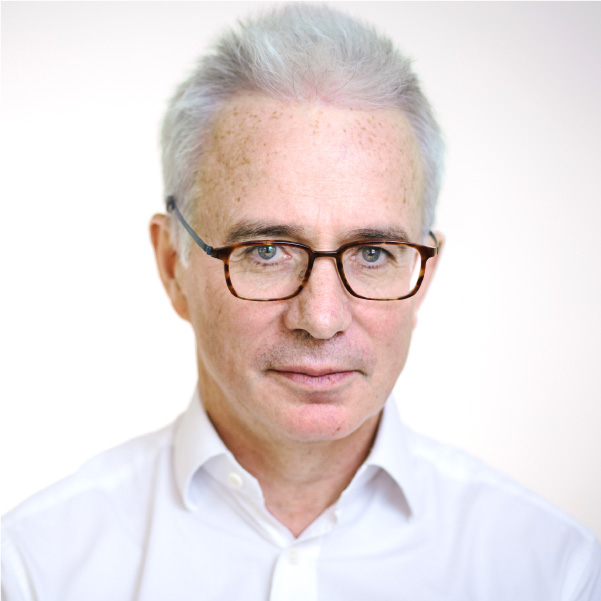
Peter SANDS
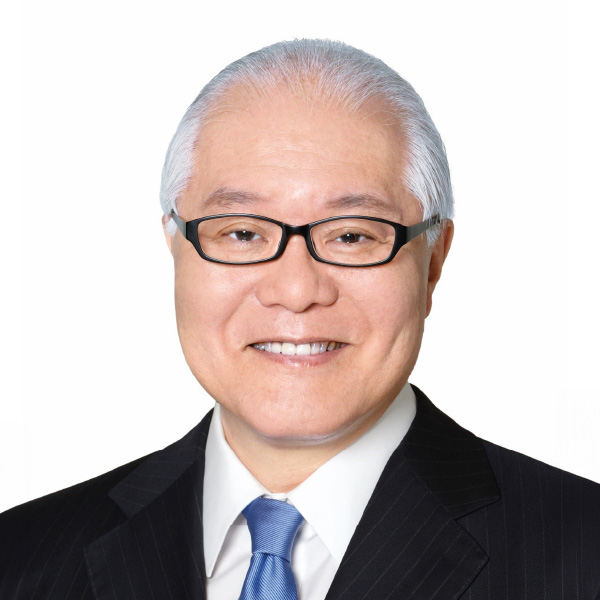
Keizo TAKEMI
Moderator

Rosanna WONG
Lunch Break
Track 1.1 Impact Studio
Ageing Well Together: Connected Community for Thriving Lives
The session discussed how societies can help people age with dignity, remain socially connected and protect mental wellbeing in later life. Moderator Patrick Nip opened the panel by sharing his experience when he initiated an international forum about challenges and opportunities of an ageing population when working in the HKSAR Government. He moved on to frame the discussion around the need to move beyond fragmented services towards more coordinated, community-based responses. He also highlighted two Trust-Initiated Projects, JC JoyAge and Jockey Club Carer Space Project, which aim to strengthen social support and resilience among older adults and carers.
Angelique Chan argued that preparation for ageing should begin much earlier, ideally from midlife. She stressed the importance of healthy lifestyles, forward planning and developing a sense of purpose beyond retirement. Drawing on a newly launched Singapore government initiative, she described an approach that requires collaboration across research, practice and policy. Projects must bring together researchers, older adults, practitioners, NGOs and policymakers rather than work in separate silos. She illustrated this with a fall-prevention project built around a basic question: why older people do not attend such programmes. Bringing different stakeholders together helped define the problem more clearly, identify research and funding gaps and build trust among groups that do not usually work closely with one another. She also emphasised the need to consider social and environmental factors beyond biomedical research.
Laura Gitlin focused on the gap between evidence and practice. She argued that governments should fund not only basic research but also the dissemination, implementation and scaling of proven programmes, since many effective models remain underused. She cited a programme developed for underserved African American communities affected by depression. Using a person-centred and goal-oriented approach, it helped reduce stigma and support people in moving from home-based isolation into community settings such as senior centres. Gitlin also reflected that the changing needs of an ageing population and caregivers would require a flexible ecosystem of community partnerships.
Lam Ching-choi pointed to research on dementia prevention showing that social factors such as social isolation and loneliness are major, but often overlooked, risk factors. He stressed that ageing well also depends on the management of chronic disease and physical health. At the system level, he called for an end to siloed service structures and more integration across sectors. On mental health, he noted that JC JoyAge promotes a stepped-care model, trains up older people as mental health ambassadors, and utilises community and social capital. He also noted that young people often turn first to AI for emotional support, and suggested that similar tools may have a role for older adults, and discussed the vision for ecosystem and community building. More broadly, he argued that progress will depend on leaders and champions who can connect government, philanthropy and frontline practice.
The discussion closed on a shared view that ageing services are still too fragmented. The panellists argued for cross-sector collaboration, earlier intervention and a broader understanding of wellbeing. Nip concluded that ageing policy now requires a wider shift in mindset, with government taking the lead in building more connected systems of support.
Hong Kong Palace Museum
Speaker(s)

Angelique CHAN
, 2026_07_15_20_08_47.jpg)
Laura GITLIN
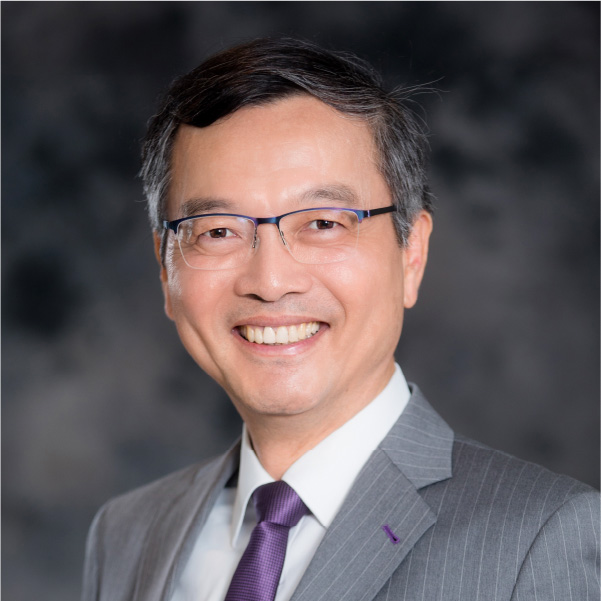
LAM Ching-choi
Moderator
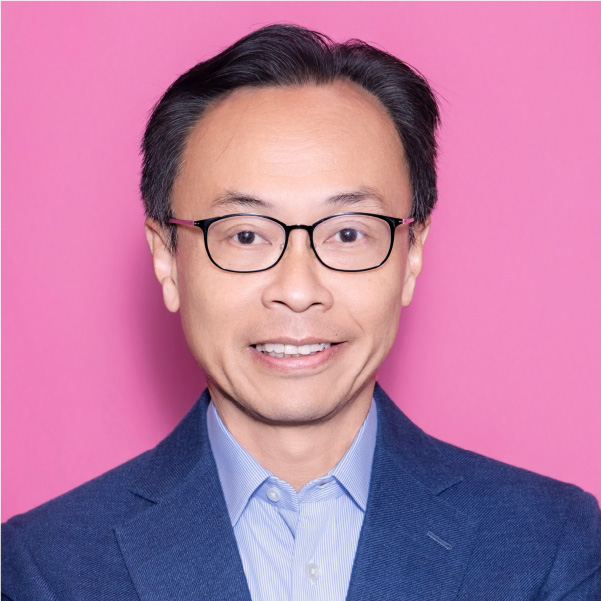
Patrick NIP
Track 1.2 Impact Studio
Where Poverty Breaks or Persists: From Housing to Sustainable Livelihood Outcomes
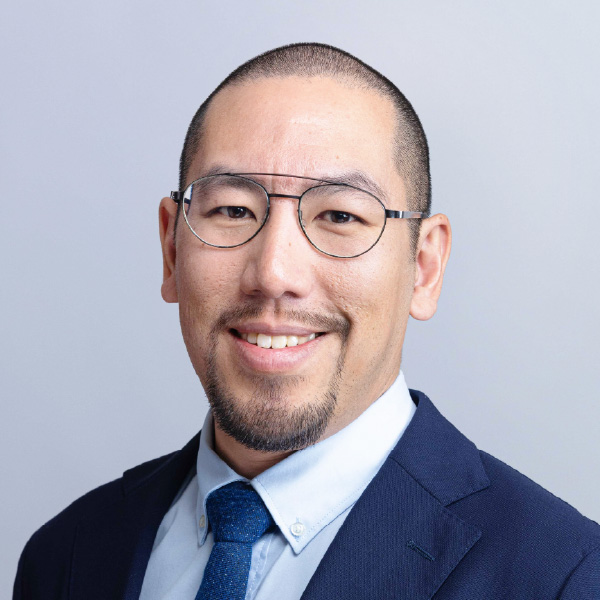
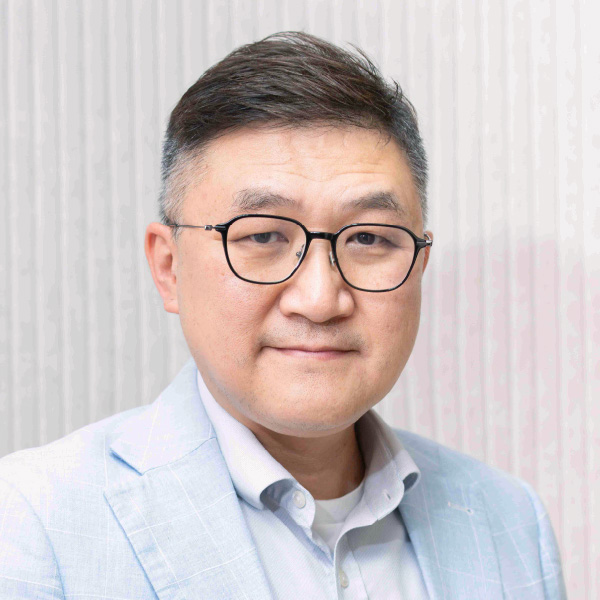
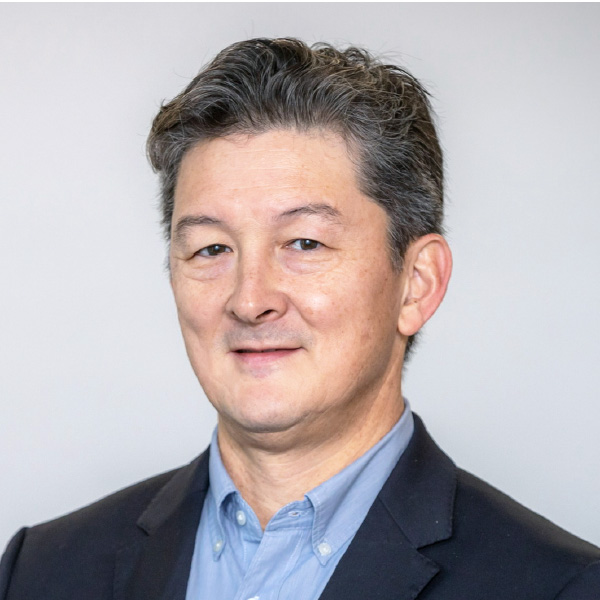
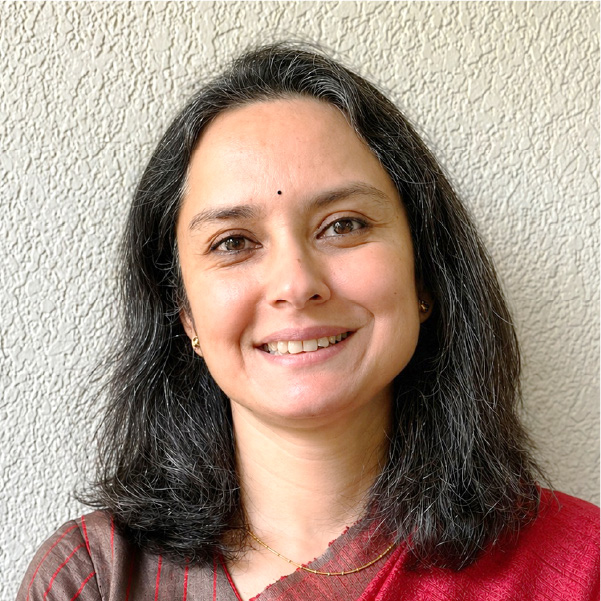
The panel examined how urban anti-poverty programmes can move families beyond short-term relief towards stable housing, sustainable livelihoods and greater self-reliance. Moderator Shobhini Mukerji, joined with panellists Gregory Chen, Warren Ang and Charlie Chan, considered how the Graduation Approach can be adapted to urban settings, where insecure employment, high living and housing costs, limited social protection, childcare constraints and social isolation can combine to keep families in poverty.
Chen traced BRAC’s Graduation Approach to its efforts to reach people excluded from broader economic development and trapped in cycles of poverty. The model combines livelihood or asset support, assistance with basic needs and regular coaching in a sequenced, time-bound intervention, generally lasting two years. Evidence indicates that its benefits can persist long after support ends. Urban adaptation, however, requires new livelihood pathways: traditional rural assets may need to give way to apprenticeships, vocational certification, job placement and other opportunities suited to local economies. Effective programmes must also address structural barriers such as discrimination, insecure land or housing, health shocks and climate-related displacement.
Ang explained that, building on the relative stability offered by transitional housing, JC PROJECT LIFT supports families in strengthening their capacities and pursuing employment, financial and longer-term development goals. The programme combines family capacity-building, community support, financial literacy and employment services, drawing on the capabilities of NGOs, banks and employment partners. Ang further stressed that agency cannot be built through a standardised formula: it depends on trusted relationships, meaningful choices and goals defined by each family. Scaling should therefore be accompanied by rigorous evaluation to establish what works, for whom and under what circumstances, while taking into account factors such as ageing, fiscal pressures and technological disruption.
Chan described the Jockey Club Community Kitchens as accessible “second homes” for families living in subdivided flats. The kitchens provide additional community space for everyday activities such as cooking, eating, studying and resting, easing the pressures of inadequate housing while helping residents rebuild social connections. Residents help establish rules, resolve conflicts, volunteer and redistribute surplus food, enabling them to shift from passive recipients to active contributors. This sense of ownership strengthens their confidence and sense of control while fostering mutual support. Chan cautioned that expansion must preserve meaningful participation and identify an optimal community size: too large, and relationships weaken; too small, and impact remains limited.
The speakers agreed that technology should strengthen, rather than replace, human interaction. Digital tools could improve case management, connect hidden populations, identify suitable employment opportunities and reduce frontline workloads, giving coaches more time to build relationships. They also positioned philanthropy as more than a source of funding: community and faith-based organisations provide trusted networks, while companies contribute expertise, employment links and other capabilities. Patient philanthropic capital can support pilots, research and evidence that can unlock much larger government investment. Sustainable pathways out of poverty, they concurred, require coordinated, locally adapted support that tackles structural barriers while strengthening livelihoods, agency and community.
M+
Speaker(s)
Warren ANG
Charlie CHAN
Gregory CHEN
Moderator
Shobhini MUKERJI
Track 1.3 Impact Studio
Designing Climate Resilience with Nature: Smart Wetlands in Practice
The session explored how wetlands can strengthen climate resilience amid intensifying climate change and biodiversity loss, and how technology and collaboration can support more responsive conservation. Moderator Wong Kam-sing framed the discussion around three linked themes: emerging threats, new tools and stronger togetherness. As environmental pressures expose the limits of static conservation models, the panellists considered how wetlands can be managed as dynamic systems that respond to changing ecological conditions.
The speakers agreed that wetlands are important not only as habitats for biodiversity but also as systems that support wider ecological and social needs. Lei Guangchun stressed the close relationship between humans and nature. He described wetlands as sources of ecological knowledge that help people understand ecosystems more deeply and make better decisions about protection. David Gallacher outlined the multiple benefits wetlands can provide, including biodiversity conservation, flood management and quality open space for the public. He also pointed to the scope for integrating nature-based solutions into urban settings while ensuring that they remain resilient under changing climate conditions.
Technology and data emerged as key enablers of more adaptive, evidence-based management, particularly in the case of smart wetlands. Nicole Wong shared how tools such as smart sluice gates at Mai Po can help conservation teams manage water levels more effectively, while AI is generating new insights into wildlife. Gallacher added that measuring outcomes is vital in showing the broader value of investment in nature-based solutions.
Beyond individual sites, the discussion highlighted the need for regional connectivity and collaboration. Shufen Yang explained how satellite tracking has transformed the monitoring of migratory birds, allowing conservationists to identify important habitats and engage wetland managers elsewhere along migratory routes. Her example underscored the value of combining scientific knowledge with regional cooperation and capacity building.
The panellists also considered how philanthropy can support innovation in a field where outcomes may be uncertain and slow to emerge. Nicole Wong noted the importance of making room for uncertainty and learning from failure in climate resilience work. Reflecting on Mai Po as a “living laboratory”, she argued that both successes and setbacks can yield lessons for others. The discussion concluded that stronger wetland conservation will depend on combining local action, evidence-based management and cross-regional collaboration to build more resilient relationships between people and nature.
M+ Cinema
Speaker(s)
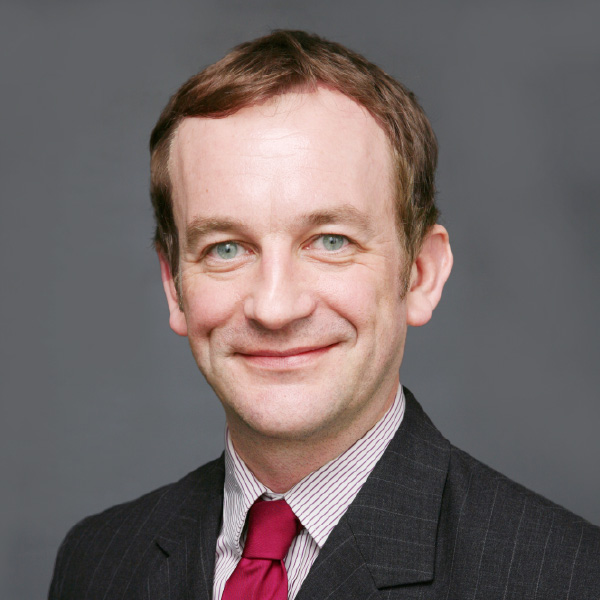
David GALLACHER
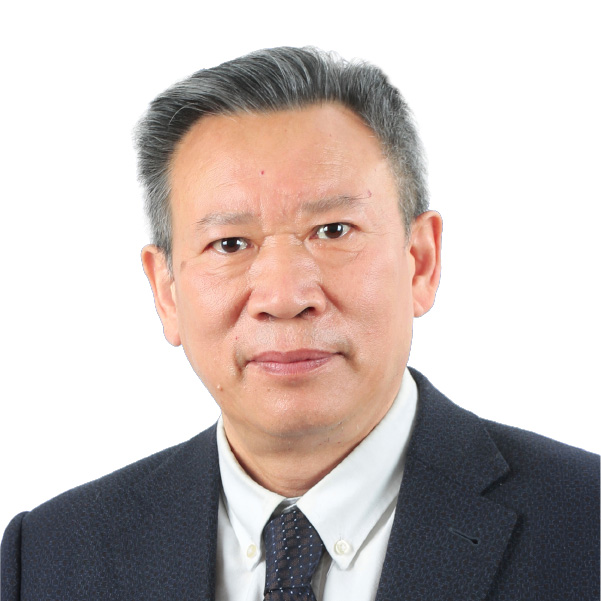
LEI Guangchun

Nicole WONG
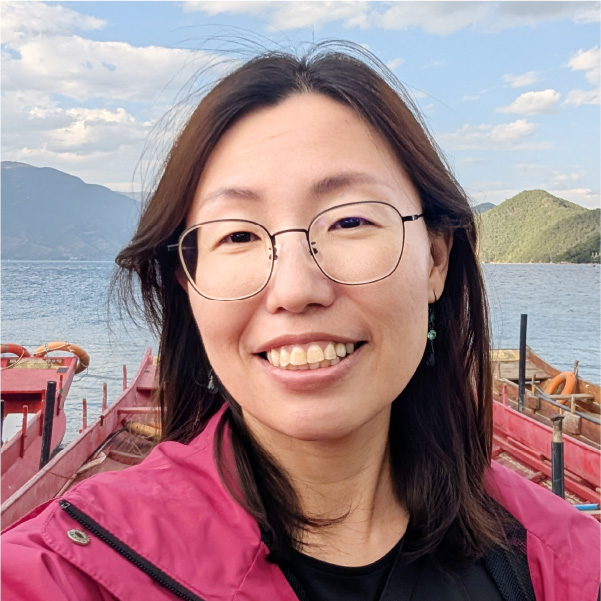
Shufen YANG
Moderator
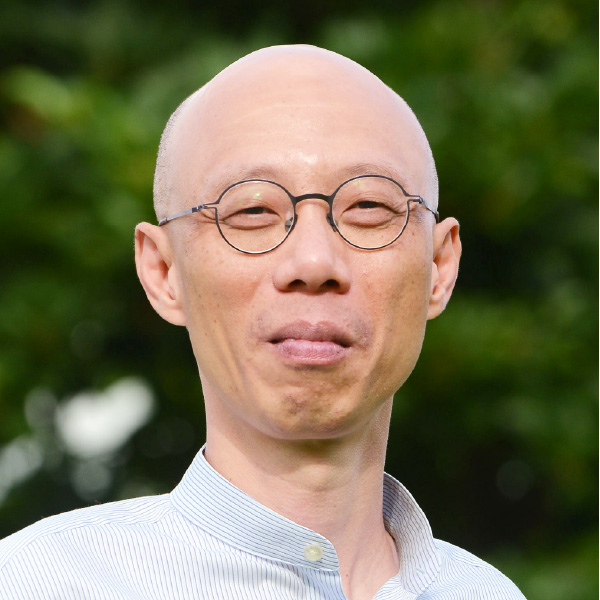
WONG Kam-sing
Track 1.4 Co-learning Workshop
When Funders Say Yes: Inside the Funding Decision
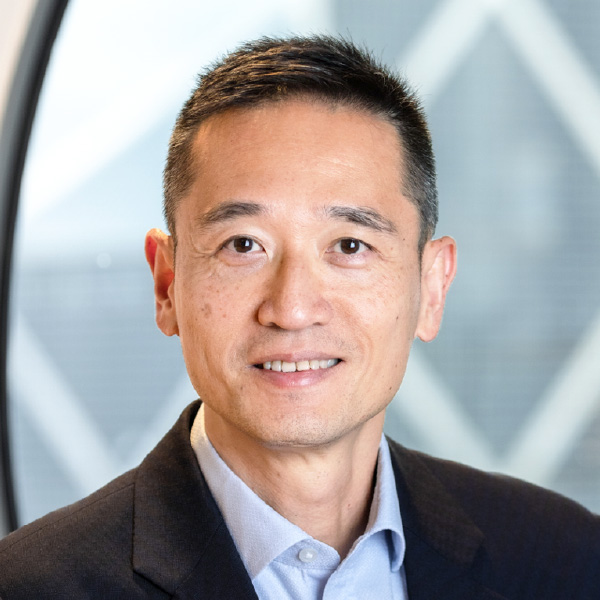
The workshop looked at how philanthropic organisations assess opportunities and decide whether an initiative is ready for support. Moderator Queenie Man invited Cecilia Ho and Lawrence Tsang to explain what makes a proposal compelling and how applicants can build partnerships that last beyond a single grant.
Ho described mission alignment as the first threshold for the Lee Hysan Foundation. Applicants need to understand both a funder’s broad mission and its current priorities. The Foundation supports work in education, social welfare, health, arts and culture, and the environment, with a strong focus on Hong Kong. Its approach is shaped by five principles: catalysing policy and systemic change, co-creation, connection, collaboration and co-funding. Ho stressed that even a strong project is unlikely to secure support if it lacks a path to sustainability, policy influence or wider systems change. For that reason, the Foundation sees itself as a strategic sponsor rather than simply a source of money, as the team, after understanding the proposal in totality, represents the applicant to present to the Board.
Tsang said the D. H. Chen Foundation also looks for alignment with its priorities and being able to add value to the projects, and places particular weight on shared values, compassion and social innovation. It is open to earlier-stage organisations and proof-of-concept work when there is clear potential for growth. Because values are hard to judge from paperwork alone, the Foundation spends time meeting applicants and working with them before proposals reach the Board. Tsang said he looks for an account of need that is clear and empathetic, one that shows the person behind the problem rather than only technical detail.
Both speakers used real-case examples to show how these principles work in practice. Ho discussed a 24-hour mental-health hotline that was designed with a route to government adoption. Through co-creation, research, collaboration and co-funding among three funders, it became a public service before the Foundation’s funding ended. Tsang cited a project addressing adolescent mental health through sleep problems treated with Chinese medicine. By offering a less stigmatised entry point, it could draw at-risk young people into broader mental health support.
Both advised against overinvesting time in polished language, activity counts or programme detail of the proposals, but underinvesting in explaining why an intervention makes sense, how it meets beneficiaries’ needs and what it is meant to achieve. Ho urged organisations to prepare a concise three-to-five-minute “trailer” covering the project’s essentials, be open-minded to changes, and manage risks. Tsang likewise stressed the need to define the end game and connect a programme’s theory of change to the organisation’s wider aims.
The discussion suggested that lasting support depends on development rather than repetition. Funders want to see adaptation to changing needs, stronger partnerships, other funding sources and a credible next phase. Applicants should also discuss setbacks frankly and show what they have learned. AI may help with drafting and research, but neither speaker saw it as a substitute for judgement, trust and human relationships.
Arts Pavilion
Speaker(s)

Cecilia HO
Lawrence TSANG
Moderator

Queenie MAN
Coffee Break
Plenary 3
Sport as Civic Infrastructure: Building Leadership and Social Impact Across Systems
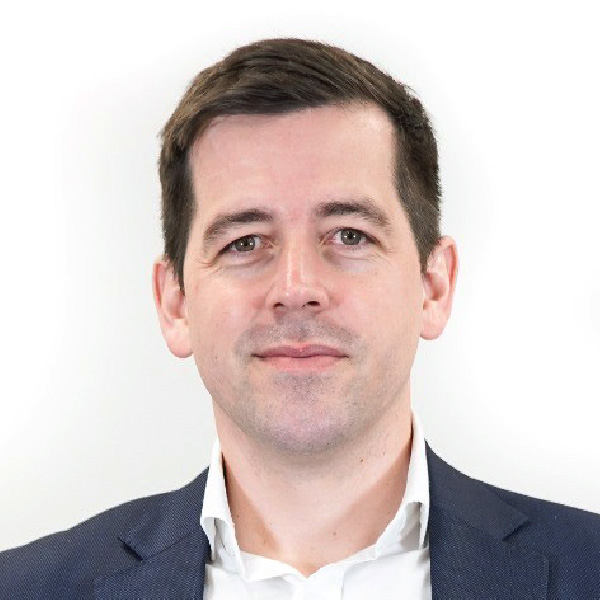
The panel explored how basketball can function as civic infrastructure when federations, clubs, governments, businesses, schools and community organisations work together to create lasting social value. Moderator Henry Kerins framed the discussion around moving beyond sporting competition and short-term participation towards stronger institutions, broader access and sustained opportunities for young people.
Andreas Zagklis explained that FIBA’s mission has evolved from standardising the rules and organising major competitions to making social development a central pillar of its work. Through the FIBA Foundation’s “Basketball for Good” initiatives, basketball supports inclusion, gender equality, child protection and community development. Zagklis argued that effective programmes depend first on know-how and good governance, rather than funding alone. He also challenged the tendency of governments and sporting bodies to define success primarily through medals, calling instead for measures that capture community participation and long-term social impact. Technology, he suggested, could help organisations understand how facilities – particularly outdoor courts – are actually used.
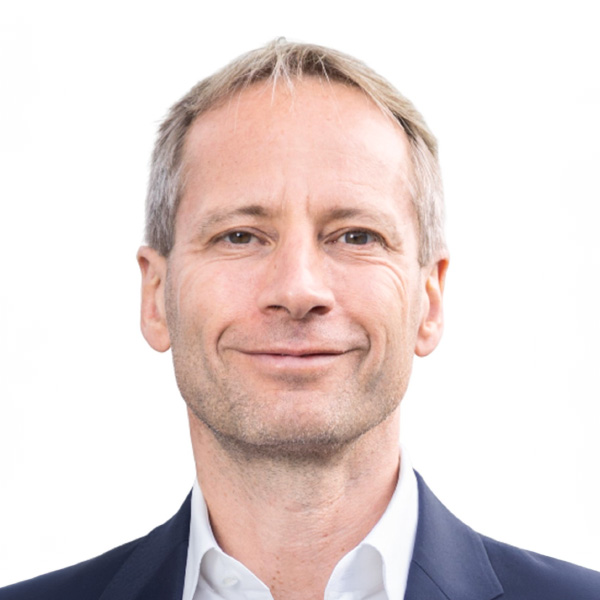
Axel Schweitzer described ALBA BERLIN’s transformation from a professional basketball club into an institution embedded within schools and neighbourhoods. Rather than measuring success only by match results, the club aims to remain socially relevant for generations. Its value lies in being a partner to schools, a meeting point for communities, a source of role models and a pathway for young people to develop their potential. Schweitzer acknowledged that sustaining this commitment requires patience and conviction, particularly when resources invested in community programmes could instead be spent on players and immediate sporting success.
Both speakers stressed that successful models cannot simply be copied from one market to another. Programmes should reflect local cultures and needs, begin early, reach children where they already are and invest in capable local coaches and youth leaders. Schweitzer’s experience in Hong Kong demonstrated the importance of combining grassroots participation with aspirational professional teams that give young people a visible “north star”. Zagklis similarly highlighted FIBA’s work to educate and micro-finance youth leaders, allowing communities to design initiatives responsive to their own circumstances.
The discussion also considered how philanthropic and civic partners can become involved. Zagklis outlined FIBA’s co-financing approach, under which the federation contributes expertise, equipment and funding alongside local stakeholders instead of simply issuing grants. This shared ownership helps preserve accountability and ensures that investment translates into genuine benefits for participants.
The session closed on the point that no single institution can – or should try to – control the entire system. Lasting impact requires clear governance, empowered local actors and collaboration among clubs, federations, schools, governments, NGOs and funders. With sustained investment and locally adapted delivery, sport can foster inclusion, resilience, leadership and social mobility while changing individual lives.
Freespace
Speaker(s)
Axel SCHWEITZER

Andreas ZAGKLIS
Moderator
Henry KERINS
Coffee Break
Plenary 4
Two Playbooks, One Goal: Navigating Social Mobility in Asia’s Twin Cities
The panel examined how Hong Kong and Singapore can sustain social mobility as artificial intelligence (AI), demographic shifts and changing labour demand reshape entry-level opportunities and established careers. Panel chair Regina Ip opened by highlighting growing anxiety on upward mobility among young people. She proceeded to invite speakers Chris Sun and Tan See Leng to compare how the two cities protect workers, develop skills and create pathways for advancement.
Tan described social mobility as a central challenge for economies worldwide. As job cycles and skills requirement change more quickly, policy must help graduates enter the workforce, support workers throughout their careers and enable those displaced by disruption to reskill. Singapore’s workforce strategy seeks to ensure that foreign labour complements local workers, while its progressive wage model establishes wage and career ladders for lower-wage occupations. The Government also provides subsidised training, mid-career support and opportunities for career transitions.
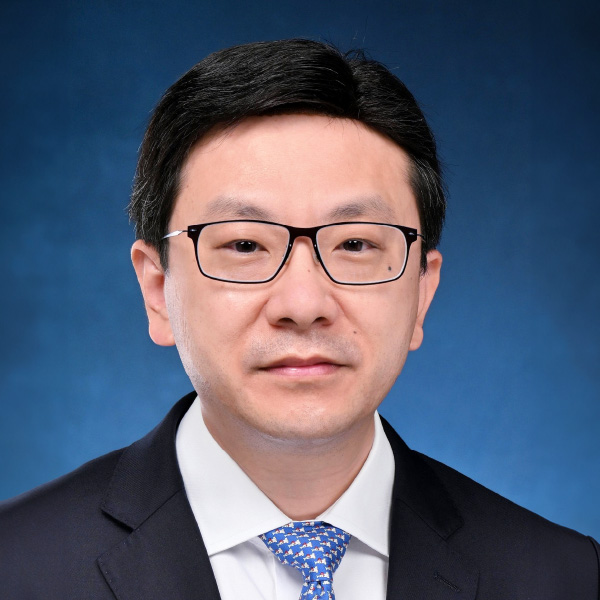
Sun observed that higher education alone no longer guarantees career success. Workers increasingly need three complementary attributes: AI fluency, industry expertise and soft skills. Although young people are often comfortable with AI, many lack opportunities to demonstrate their abilities professionally – an “AI fluency without a platform” paradox that particularly affects those from humble backgrounds. Sun therefore called for giving young people an opportunity to be tested so they can build the necessary knowledge, experience, networks and credible CVs.
Both speakers addressed the risks facing mid-career workers, particularly those in routine clerical positions. Sun argued that Hong Kong must retrain workers to combine industry knowledge with new technological capabilities. Rather than viewing AI purely as a job-destroying force, he anticipated “creative destruction” and demand for people who can integrate AI with deep professional expertise. Singapore, meanwhile, is promoting broad-based AI literacy through subsidised courses.
The discussion emphasised that government cannot act alone. Tan said public policy provides scale, employers create career pathways and philanthropy offers customised support for people mainstream programmes may not reach. Philanthropy can test innovative approaches so that successful models can then be adopted by government. Sun also announced plans for a matching platform connecting NGO welfare projects with philanthropic funding through a trusted mechanism.
Finally, the speakers considered disengaged and “hidden” youth. Sun stressed the importance of reaching them online, recognising their value, and reigniting their passion. Tan concluded that social mobility should be measured not simply by participation but by progress. Lifelong learning, practical experience, confidence and collaboration among government, employers, educators, NGOs and philanthropy will be essential to ensuring technological transformation expands rather than restricts opportunity.
Hong Kong Palace Museum
Speaker(s)
Chris SUN Yuk-han

TAN See Leng
Panel Chair

Regina IP LAU Suk-yee
Coffee Break
Plenary 5
Expanding the Arena: Philanthropy, Leadership, and Pathways Beyond Sport (Putonghua session)
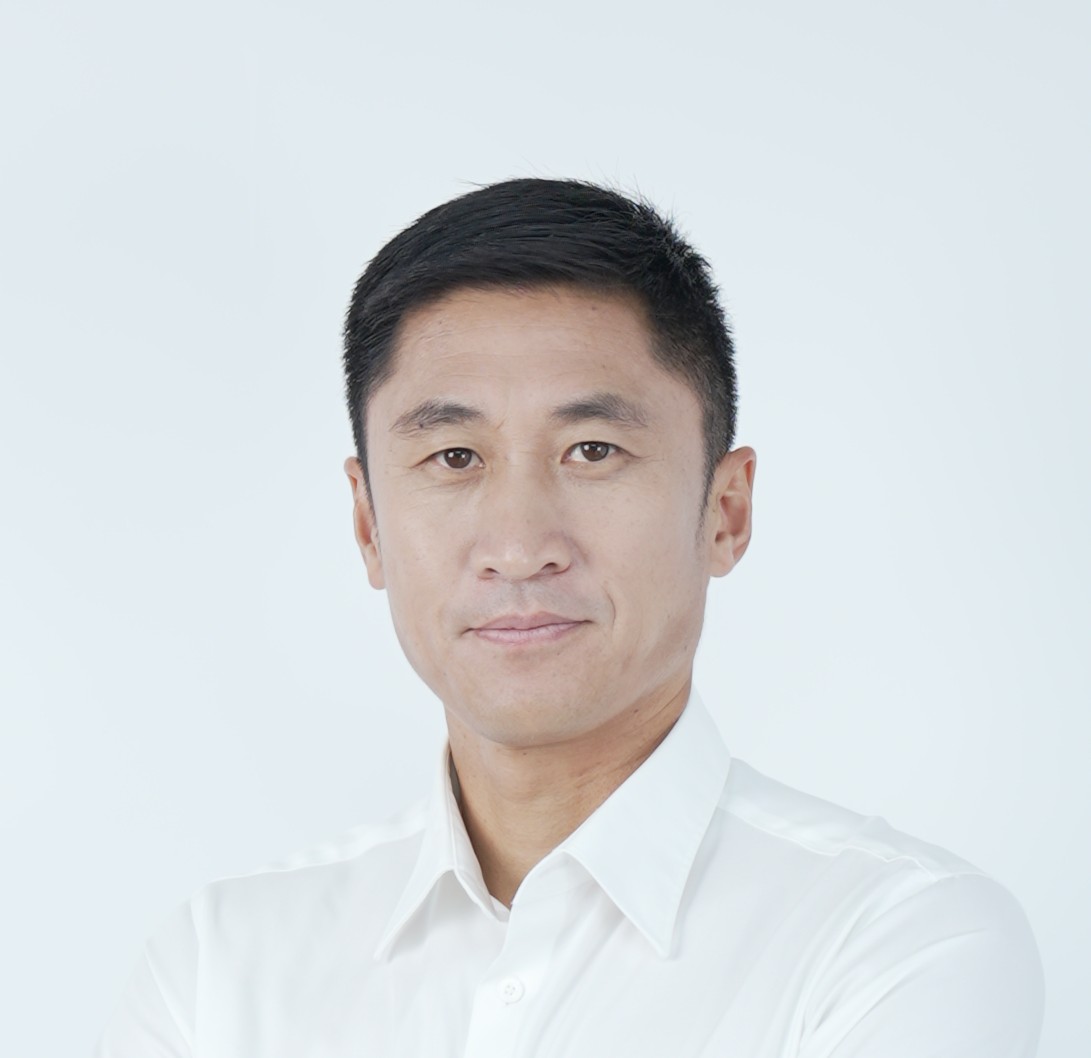
The panel considered how elite athletes can turn sporting achievement into wider social impact through philanthropy, advocacy and public service. Moderator Rachel Wang invited Ma Ning, Li Xiaopeng, Deng Yaping and Yang Yang to reflect on moments in their careers that changed their understanding of the spirit of sport, and on how those lessons now shape their charitable work.
Each speaker described a formative experience. Ma said his love of football sustained him through his World Cup journey. For him, sport is grounded in fairness: winning through fair play matters more than exploiting loopholes. Li recalled the disappointment of defeat at the 2004 Athens Olympics, which taught him sport is more than victory, but also respect for opponents and the ability to recover from failure; he suggested that the same lesson applies to philanthropy. Deng spoke about being underestimated which fostered resilience and gratitude towards those who gave her opportunities. She now hopes to extend similar opportunities to others, especially people in need, by helping them find hope and purpose. Yang argued against defining sport solely through winners and losers, since that would imply that most participants have failed. She cited a 2010 speech by then IOC president Jacques Rogge at the Youth Olympic Games, which stressed developing “real champions” rather than simply producing more gold medallists. The idea led her to see that while only one person can win a final, anyone who strives and grows can become their own champion.
Wang then asked the panellists how they choose charitable projects. Ma suggested that athletes should begin within their own professional fields, where they have knowledge and credibility, before expanding into other areas. Li stressed the importance of long-term commitment. As in sport, philanthropy should not be driven by quick, visible results alone. He praised the Hong Kong Jockey Club’s sustained approach and recalled visiting elderly residents living in subdivided units through Club-backed programmes. Deng highlighted two initiatives in which she has been involved: “Genius Mom”, which links women skilled in intangible cultural heritage crafts with fashion designers to create products, and “Super Mom”, which supports causes relating to women and familites. She recalled how the latter had helped mothers of children with Down syndrome. Yang, drawing on her experience of running a charity organisation, spoke about the practical demands of fundraising, project management and dealing with setbacks. She urged those working in philanthropy to remain grounded in their original motivation during difficult periods while maintaining a clear focus on outcomes.
The discussion suggested that sport’s deepest value lies in the values it instils and the responsibilities it can inspire. For the panellists, philanthropy emerged as a natural extension of athletic life, rooted in fairness, resilience, gratitude and long-term commitment. Their reflections showed how sporting experience can be translated into wider social impact through purpose, discipline and sustained engagement with the needs of others.
Hong Kong Palace Museum
Speaker(s)

DENG Yaping

LI Xiaopeng
MA Ning

YANG Yang
Moderator

Rachel WANG
Opening Performance & Keynote 2
The New Growth Agenda: Philanthropy's Role in Expanding Opportunity for All
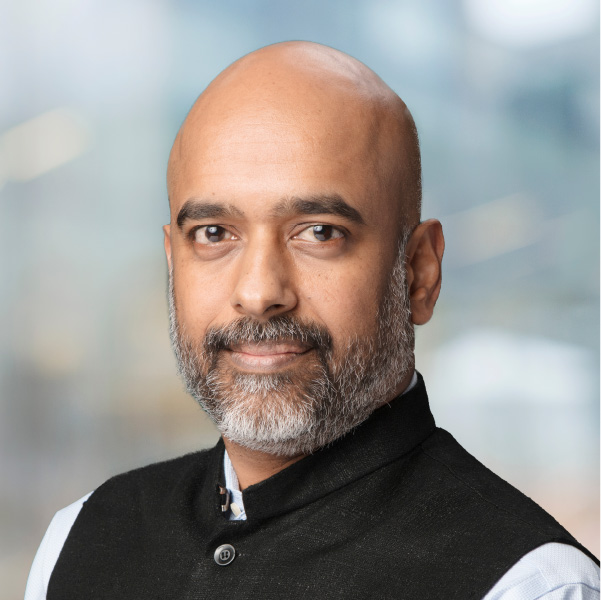
In his keynote, Hari Menon discussed philanthropy’s role in promoting inclusive economic growth. Recalling a recent visit to Ethiopia, he described how women smallholder farmers often remain invisible to formal financial systems because their land ownership, transactions and economic activity are not adequately recorded. Financial institutions therefore struggle to assess the risks of lending to them or to recognise their economic potential. Inclusion, he stressed, does not happen by accident: it must be deliberately designed, financed and implemented at scale.
Although governments and markets are the main drivers of development, both face limitations. Governments may be reluctant to use public funds for unproven interventions, while businesses usually enter only when they can see a viable market. Philanthropy can bridge this gap by serving as risk capital: testing new approaches, building evidence and removing obstacles so that governments, businesses or community organisations can take ownership and expand successful models.
Menon organised his approach around four lessons from sport. The first, “embrace home-field advantage”, means developing solutions that reflect local needs, knowledge and institutions. He highlighted an AI-enabled advisory service in Maharashtra that gives farmers verified, locally relevant information in their own languages. He also cited Ethiopia’s digital farmer registry, which connects demographic and land records with financial services, helping women farmers become more visible to lenders. Both examples combine global technologies with locally developed approaches.
The second lesson was to “keep score” by measuring meaningful results and shifting resources away from unsuccessful programmes. In education, for example, attention should move beyond school enrolment to whether children are acquiring the literacy and numeracy skills they need. His third lesson, “there is no I in team”, underscored the importance of partnership. Menon cited improved rice varieties such as Green Super Rice, developed through collaboration among the Chinese Academy of Agricultural Sciences, international agricultural institutions and other partners, as an example of how shared expertise can benefit farmers across Asia and Africa. His fourth lesson was to take on the issues that others would not. The Gates Foundation’s effort to reinvent the toilet showed why philanthropy should pursue uncertain projects when success could have wide-reaching benefits.
In his conversation with James Chau, Menon said Asian capital, ideas and innovation could play an increasingly significant role in the Global South. Successful partnerships, however, depend on transparency, formal commitments and respect for governments as the stewards of national development. Philanthropic organisations must test their assumptions in real-world conditions and be prepared to change course when an innovation is not adopted or does not scale.
Responding to audience questions, Menon warned against simply transplanting successful models from one country to another without considering the political and institutional conditions that made them possible. Solutions must be adapted and supported locally. He also identified digital platforms and inclusive AI as valuable tools for making underserved people more visible to markets. Ultimately, philanthropy’s impact lies in its ability to take risks, learn openly from failure and enable governments, businesses and communities to bring effective solutions to scale.
Hong Kong Palace Museum
Speaker(s)
Hari MENON
Moderator

James CHAU
Plenary 6
Philanthropic Impact in Asia: When Capital Works Across Systems
The panel considered how different forms of capital can work across systems to address Asia’s complex and interconnected challenges. Moderator James Dray highlighted the need to move beyond siloed approaches towards more coordinated structures. Although public, philanthropic and private actors operate with different incentives, expectations and timelines, the discussion suggested that the central challenge is not a shortage of capital but how resources are structured, connected and deployed.
Tracy Palandjian outlined the distinct strengths of different funding sources: government provides scale, philanthropy can catalyse solutions and private capital can unlock substantial resources where opportunities generate returns; and she noted the opportunity to use impact capital to harmonise these three pools of capital. Rather than beginning with particular financial instruments, she argued that funders should first identify the problem they want to address and the outcomes they hope to achieve. Blending and recycling capital could then extend the impact of available funding.
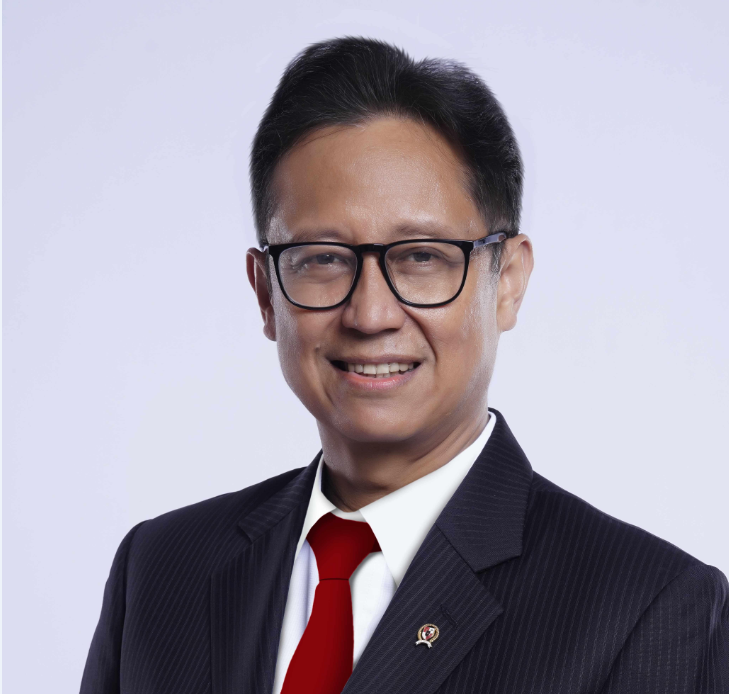
Drawing on Indonesia’s health system, Budi Gunadi Sadikin observed that it is impossible for countries to carry the national budget by themselves and that private-sector participation is essential. He described government as both catalyst and regulator, responsible for creating conditions in which private companies can support healthcare while earning a decent return. He also called for broader, more generalist perspectives in funding decisions, together with greater transparency and closer attention to productivity, to determine how resources can be used most effectively.
The panellists agreed that capital must be supported by an enabling ecosystem. Drawing on Japan’s experience, Ken Shibusawa argued that effective collaboration requires diverse actors to operate within a shared system. He said blended finance demands a similar approach, including greater consideration of financial returns and potential exits rather than a focus solely on capital inputs.
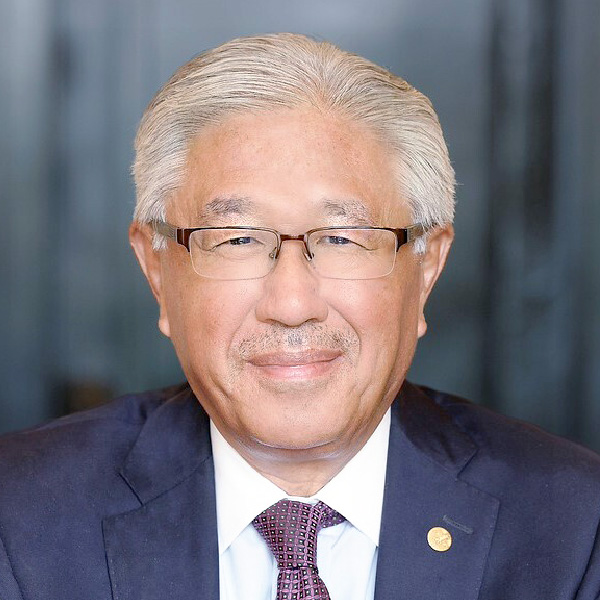
The need for stronger coordination is particularly evident in global health. Victor Dzau described its financing landscape as fragmented, with different sources of capital operating according to varying priorities and timelines. While philanthropy can catalyse initiatives, he argued, it must connect with other forms of funding to sustain and expand their impact. Tom Hall similarly characterised the challenge as one of connection rather than capital scarcity. Mobilising larger pools of funding for health, education and climate-related opportunities would require deliberate collaboration and mechanisms capable of supporting scale.
The panel underscored that realising the potential of impact capital will require stronger organisational capacity, better alignment among funding sources and sustained cross-sector cooperation. As social needs continue to grow, Asia has significant potential to develop approaches that mobilise available resources more effectively and generate impact at scale.
Hong Kong Palace Museum
Speaker(s)
Victor DZAU
, 2026_07_23_18_44_29.jpg)
Tom HALL

Tracy PALANDJIAN
Budi Gunadi SADIKIN
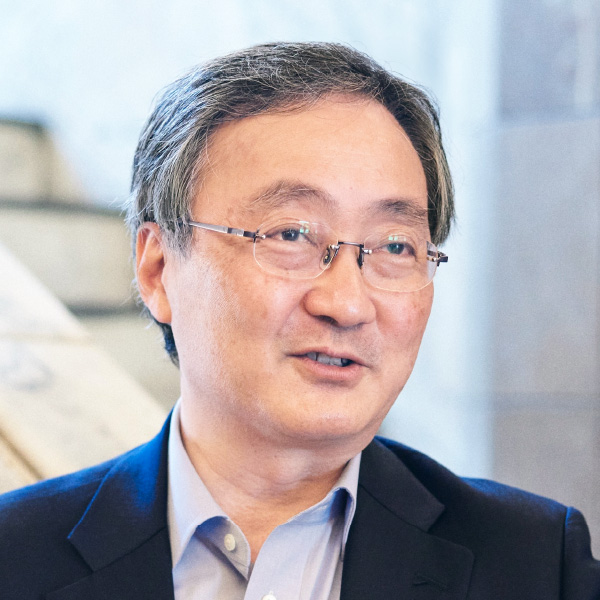
Ken SHIBUSAWA
Moderator
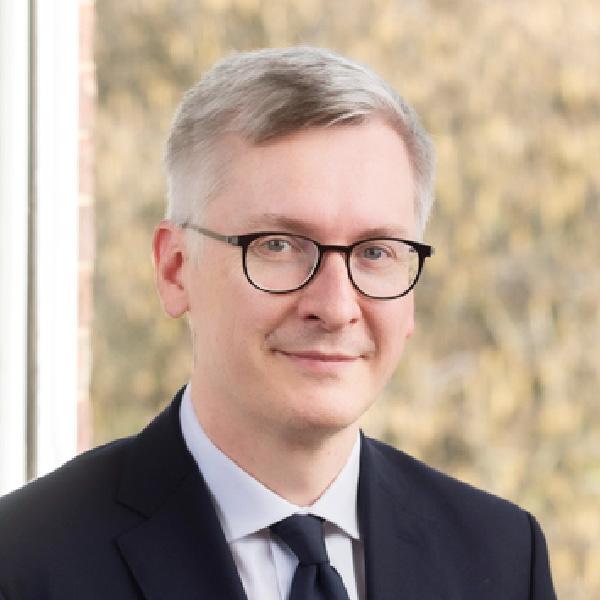
James DRAY
Coffee Break
Track 2.1 Impact Studio
Reenvisioning Heritage: A Living Force for the Future
The session explored how heritage conservation can support sustainable urban development, community identity and social connection, with moderator Wendy Ng alongside panellists David Lung, Laurence Loh and Ho Puay-peng. Drawing on case studies from Tai Kwun in Hong Kong, the Esplanade Seawall and Promenade in George Town, Penang, and Temasek Shophouse in Singapore, respectively, they examined how historic places can remain relevant through interpretation, adaptive reuse and partnerships. An audience poll during the session identified clear on-site interpretation as the most important factor in making heritage feel alive and relevant.
Lung noted that Tai Kwun’s on-site interpretive centre enables visitors to understand the history of the former police, judicial and prison compound before exploring its 16 historic buildings and two new architectural structures. He traced the project’s origins to decisions made decades earlier to protect the entire site, despite urban pressure to widen surrounding roads and the opportunity to develop valuable central city land. Its eventual transformation into a vibrant cultural hub required long-term commitment, a courageous government partner and substantial philanthropic support from The Hong Kong Jockey Club.
Loh emphasised the importance of governance and partnership in revitalising George Town. Following its inscription as a UNESCO World Heritage Site, a statutory special area plan established how individual sites could be managed. Think City and the Aga Khan Trust for Culture then worked with government and international experts to improve the neglected public realm. At the Esplanade, the deteriorating seawall was redesigned and extended into a promenade. The result has become one of the city’s most heavily used public spaces, attracting people to gather, relax and enjoy the waterfront. Loh argued that future conservation of cultural landscape must recognise the indivisibility of culture and nature, incorporating climate adaptation, traditional materials and environmental resilience.
Ho presented Temasek Shophouse as an example of incremental adaptive reuse. Beginning with one conserved building, Temasek Foundation gradually expanded into adjoining shophouses, combining offices and co-working areas with public event spaces. The project also transformed an overlooked canal-side area into green public space. For Ho, heritage should not be treated solely as a destination but integrated into everyday urban life. Interpretation should connect a building’s history with its present and future roles, while authenticity should allow interiors to change in response to contemporary needs.
The speakers challenged the assumption that conservation means freezing buildings in the past or converting them into museums. Lung argued that adaptive reuse gives heritage present-day social value while safeguarding it for future generations. Loh positioned heritage as a potential driver of urban economic, environmental and social development in the direction of sustainability. Ho highlighted its value as an “urban living room” that can attract philanthropic investment and strengthen social cohesion, participation and an evolving sense of identity.
Across the discussion, heritage emerged not as an obstacle to development but as a means of managing change. Its future relevance depends on early planning, community participation, effective interpretation and partnerships spanning government, philanthropy and civil society. By connecting historic places with contemporary uses, environmental resilience and local economies, cities can preserve their identity while preparing for the future.
Hong Kong Palace Museum
Speaker(s)
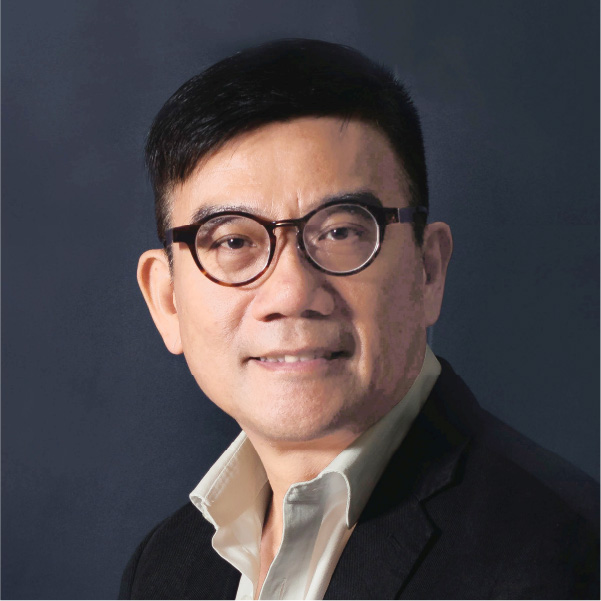
HO Puay-peng
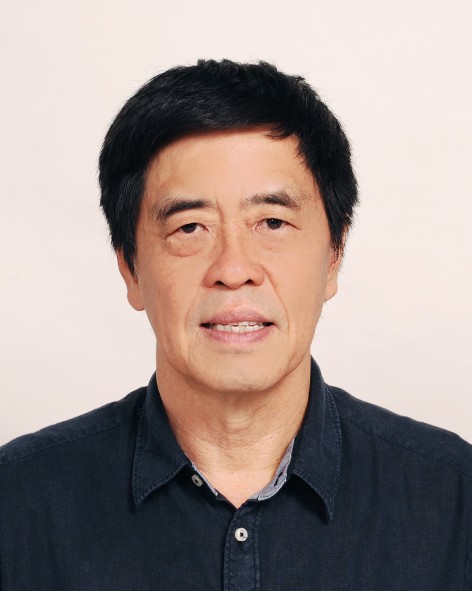
Laurence LOH Kwong-yu

David LUNG
Moderator
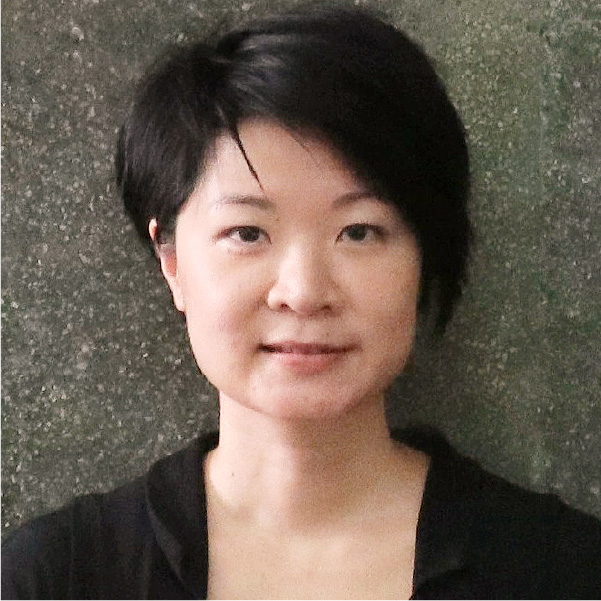
Wendy NG
Track 2.2 Co-learning Workshop
When Trust Carries Weight: Trust-Based Philanthropy in Practice
The session examined what trust-based philanthropy means in practice and how it can improve working relationships and social outcomes. Moderator Manisha Mirchandani opened by asking how funders and grantees can balance trust with accountability, flexibility with responsibility, and long-term partnership with the need to show impact. An audience poll identified regular, honest communication as the most important ingredient, though the discussion made clear that trust also depends on shared goals, flexible funding and sustained commitment.
Josephine Lee said the organisation earns trust through its actions. That means placing beneficiaries at the centre, be transparent and accountable, and focusing on impact rather than simply listing activities. She described the organisation’s decade-long relationship with a family foundation that funded the renovation of an elderly care home, and supported leadership development, staff training and improvements to the care model. Because the relationship was well established, the two organisations could respond flexibly to unforeseen problems, share risk and plan together for the home’s future.
Laurence Lien described a model built on equal partnership and co-creation. At the Lien Foundation, relationships begin with conversations rather than application forms. Partners develop programmes, proposals and measures of success together, while mistakes and setbacks are expected to be shared quickly and honestly. Most grants are multi-year because new service models need time to be tested, adapted and sustained. Evaluation is treated mainly as a tool for learning rather than a rigid exercise in performance monitoring.
Lien also cited Asia Community Foundation research showing that restricted funding remains the dominant model despite strong demand for unrestricted and multi-year support. Flexible funding allows organisations to respond to shocks, invest in their own capacity and discuss strategic challenges more openly. Lien identified integrity, competence and benevolence – showing partners that the funder understands them and is on their side – as the three foundations of trust.
Sandrine Bouttier-Stref said the Sanofi Foundation develops programmes with local communities instead of importing standard solutions, especially in the areas of youth, climate change and humanitarian aid. Its support combines funding with technical expertise, capacity building and links to wider networks. During an Ebola emergency, established relationships allowed the foundation to provide immediate funding and expertise without repeating a lengthy due-diligence process. Its support for accommodation in Dakar for families of children undergoing cancer treatment also showed how funders can help partners secure continuity after an initial grant ends.
The discussion showed that trust requires time, honesty, humility and empathy. It also asks funders to share risk, cut needless bureaucracy and contribute more than money. Trusted relationships can make it easier to discuss setbacks, adjust plans and stay focused on the people philanthropy is meant to serve.
M+
Speaker(s)
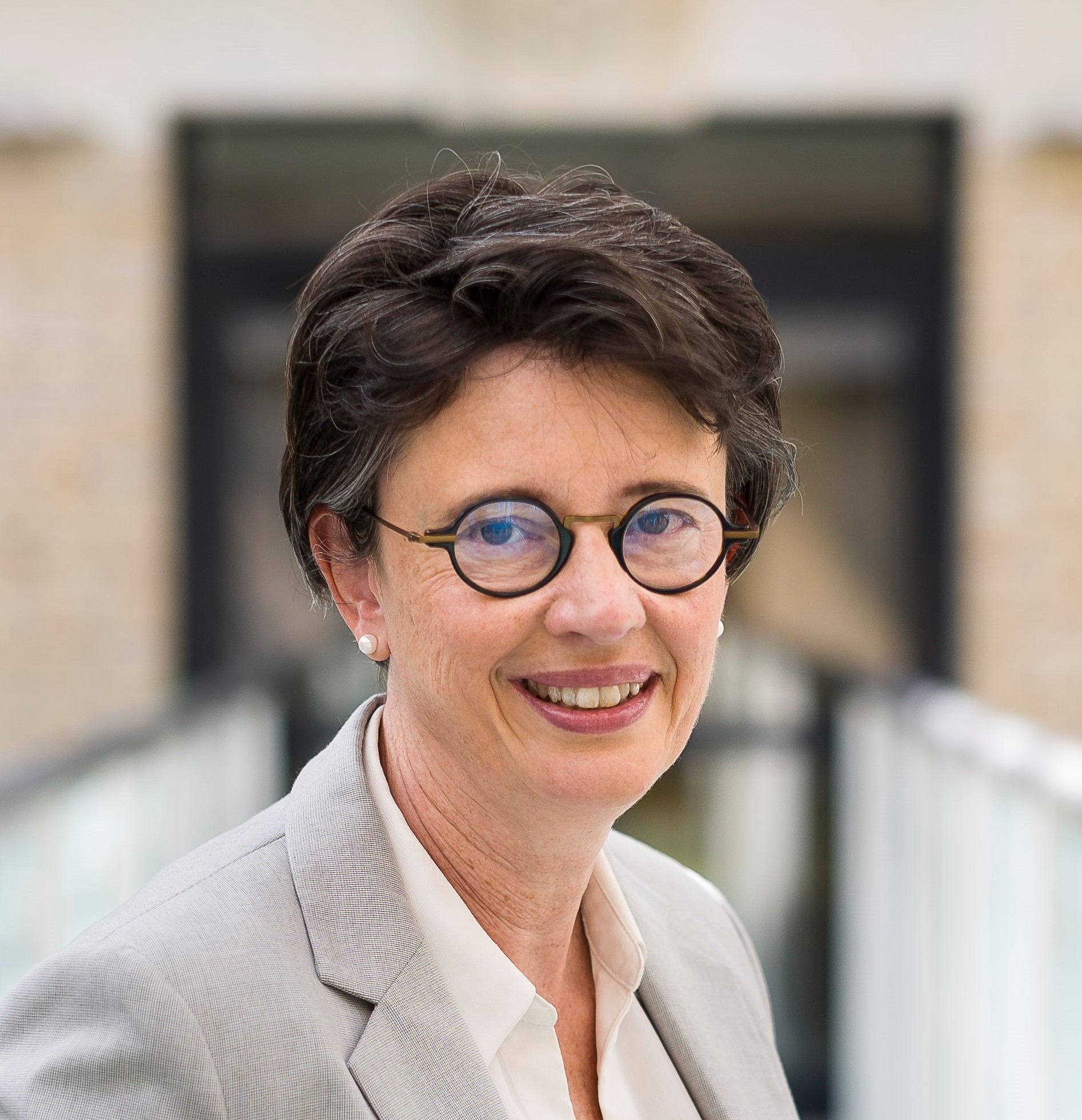
Sandrine BOUTTIER-STREF
, 2026_06_05_12_31_01.jpg)
Josephine LEE
, 2026_06_05_12_33_47.jpg)
Laurence LIEN
Moderator
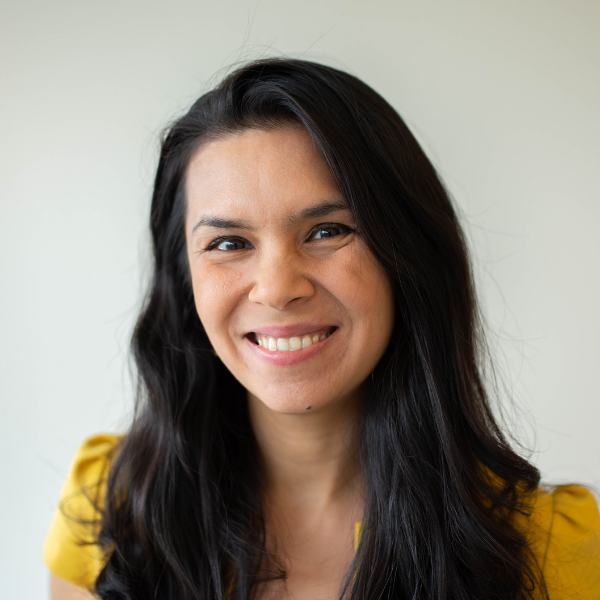
Manisha MIRCHANDANI
Track 2.3 Impact Studio
Co-creating the Future: Empowering Children and Youth as Partners in Change
The session explored how children and young people can move from being beneficiaries and volunteers to genuine partners in designing and delivering social initiatives. Moderator Martin Tan invited Andy Nilsen, Jamyang Kinley Pema, Siu Ching-hei and Winfield Ngo to discuss what co-creation requires from young people, practitioners, institutions and funders. Audience polls highlighted time and trust as central to meaningful collaboration, alongside adults’ willingness to share power, decisions and resources.
Nilsen traced the origins of SHIFT, Save the Children’s campaign accelerator for young people, to his experiences in Myanmar. After leading a campaign without engaging local advocates, and later seeing young people independently revitalise their neighbourhood, he recognised that institutions should work with communities rather than speak for them. SHIFT enables young people to identify issues, develop campaigns and lead implementation with flexible support. The model has expanded to 25 countries.
Jamyang Kinley Pema described how SHIFT enabled her Social Justice Initiative in Bhutan to pursue broad legal advocacy without being confined by a funder’s priorities. Her team addressed the prevention of sexual exploitation, abuse and harassment, reaching communities across 15 of Bhutan’s 20 districts. She argued that young people often stand “outside the box” of established systems and can see problems adults within them may overlook. Their questions should not be interpreted as challenges to adult authority, particularly where respect for elders inhibits disagreement.
Siu and Ngo presented K-Town Yorozuya, a youth-led community service platform in Kennedy Town, Hong Kong. Young people respond to residents’ requests by applying their interests and skills to tasks ranging from digital assistance and elderly companionship to emotional support. The initiative aims to rebuild neighbourhood connections and foster reciprocity. Siu described the adult practitioner’s roles as facilitator, amplifier and “invisible safety net”. Social workers step back so young people can make decisions, make their contributions visible, and manage risks without suppressing experimentation.
Ngo contrasted this with conventional volunteering, in which young people are assigned routine tasks but excluded from strategy and design. Co-creation allowed him to become a co-founder and adviser rather than simply a “good helper”. Regular reflection, mutual appreciation and emotional support sustained motivation, while small tokens of gratitude from residents reinforced purpose and connection.
The speakers agreed that failure should be treated as part of development rather than prevented entirely. Adults remain essential, but their role is to create safe conditions, offer guidance and intervene only when necessary. Nilsen noted that SHIFT therefore trains “fun adults” to support young leaders without taking over. The discussion concluded that genuine youth empowerment requires more than consultation: it demands shared responsibility, room to explore, meaningful community relationships and trust in young people’s capacity to lead.
Freespace
Speaker(s)

Winfield NGO
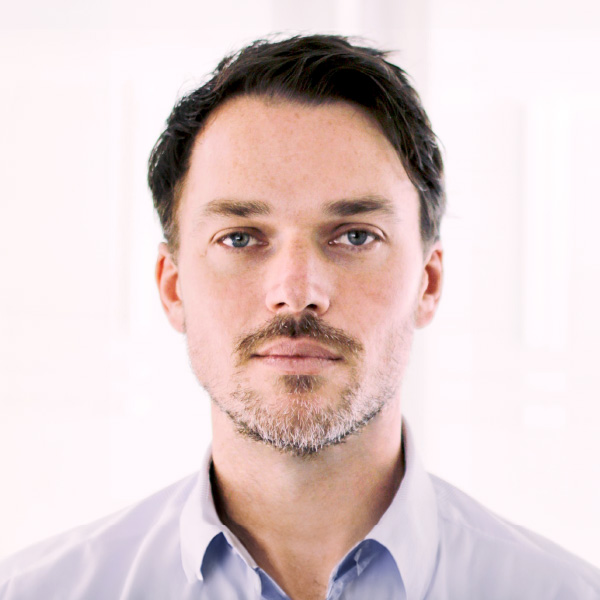
Andy NILSEN

Jamyang Kinley Pema
, 2026_06_23_16_42_27.jpg)
SIU Ching-hei
Moderator
Martin TAN
Track 2.4 Co-learning Workshop
Beyond the Project: Building Organisational Health and Resilience
The workshop discussed what it takes for NGOs and social purpose organisations to mature, not through expansion alone but through sound judgement, adaptive capacity and the internal coherence needed to navigate uncertainty. Moderated by Vyshnavi Desiraju, the conversation focused on how organisations can strengthen their health and resilience so they are better able to sustain impact over time.
Cheryl Chui opened by stressing that organisational health is fundamental to mission delivery. Frontline services and beneficiaries may rightly command attention, she said, but neglecting internal capabilities can weaken an organisation’s ability to achieve its aims. A healthy organisation is better placed to build trust and credibility with funders, donors and other stakeholders because it can show that it has the systems and capacity to deliver on its mission. Chui also argued that growth should be systematic rather than ad hoc. Organisations need the ability to articulate their capabilities clearly and in evidence-based terms to both funders and the wider public. To support this, she introduced a benchmarking tool designed to help non-profit organisations assess and strengthen themselves across eight domains of organisational health, drawing on a review of existing assessment and evaluation frameworks.
Juliana Busasi turned to the risks that can accompany growth. Expansion, she cautioned, is not inherently positive: if poorly managed, it can create strain and reduce effectiveness. She warned against overstretching, noting that scaling too quickly without sufficient workforce or organisational capacity may ultimately harm beneficiaries. She also highlighted the vulnerability created by internal bottlenecks, especially where operations depend too heavily on one person or a small group of staff. Another common pitfall, she said, is the “hero culture”, where organisations or individuals assume they must solve every problem on their own.
Building on these points, the speakers outlined broader conditions for long-term resilience. They agreed that people are an organisation’s most valuable asset, and that sustaining impact depends on staff well-being and their long-term capacity to work, especially in high-stress settings where burnout is a real risk. The discussion also stressed the importance of open communication and of creating environments where staff feel safe raising problems and setbacks early, allowing timely intervention and organisational learning.
The workshop closed with a call for organisations to assess themselves systematically across all domains, not only programme outcomes, so they can identify weaknesses and set priorities for improvement. Chui highlighted that organisational health is an evolving process, which would empower organisations to achieve and amplify impact. Busasi added that organisations should give themselves the grace to learn from mistakes. Funders, they argued, should look beyond outputs alone and pay closer attention to governance, systems and long-term organisational sustainability.
Arts Pavilion
Speaker(s)

Cheryl CHUI

Juliana BUSASI
Moderator
Vyshnavi DESIRAJU
Lunch Break
Track 3.1 Impact Studio
Evolving Philanthropy Landscape in China: Corporate, Family, and Cross Border Giving in Practice (Putonghua session)
The session opened with a keynote speech by Zhang Jiming, Vice Chairman of the China Soong Ching Ling Foundation. Zhang highlighted the development of Chinese philanthropy alongside reform and opening-up, and the forging of a socialist path of philanthropic development with Chinese characteristics. He also underscored the distinctive role of the China Soong Ching Ling Foundation, and the importance of the Institute of Philanthropy and the Commission on Asian Philanthropy in contributing to international exchanges and collaboration.
The panel focused on recent shifts in China’s philanthropy sector through the lenses of organisational governance, corporate giving, family philanthropy and cross-border collaboration. Moderated by Wang Xiangwei, the panel brought together Jin Jinping, Wang Ming and Wang Zhenyao, reflecting on current changes in the sector and what these may mean for future.
Jin said charitable organisations in the Chinese Mainland were strengthening their governance, placing greater emphasis on community building rather than relying mainly on online fundraising, and improving their implementation capacity. These shifts, she suggested, could help build public trust. Turning to corporate philanthropy, Jin argued that companies can contribute not only through donations but also by developing products, services or other practical solutions to social problems. At the same time, she noted the rise of social enterprises, and encouraged established corporations with significant public influence and impact to consider assuming greater public and social responsibility as an expression of their commitment to serving society.
Drawing on his research, Wang Ming said there were 863 family foundations in the Chinese Mainland, with combined assets of about RMB29.8 billion. He noted that the ten largest foundations held 44 per cent of these assets, pointing to a high degree of concentration. Meanwhile, charitable trusts have also seen significant growth in China in recent years. He observed that family philanthropy becomes more institutionalised over time as wealth passes across generations. Among families whose wealth had been passed down through more than three generations, especially those entering a fourth, 80 per cent had established foundations or charitable trusts.
Wang Zhenyao acknowledged Hong Kong’s leading status as a professional social services and philanthropy hub, and expressed optimism about the continued growth of the sector and deepening philanthropic collaboration between Hong Kong and the Chinese Mainland.
The discussion also covered cross-border giving in the Greater Bay Area and the possible effects of the Law of the People’s Republic of China on Administration of Activities of Overseas Nongovernmental Organizations in the Mainland of China, under which Hong Kong NGOs fall within the definition of overseas NGOs. Wang Zhenyao said Hong Kong’s philanthropic sector had long been closely connected with its counterparts in the Chinese Mainland and remained irreplaceable. Wang Ming suggested that future exemptions for philanthropic projects could support Hong Kong’s closer integration into national planning. Jin added that while the current framework placed constraints on cross-border philanthropic funding, there remained scope for institutional improvements.
Overall, the discussion showed a philanthropy landscape in transition, shaped by stronger governance, more structured family giving, changing corporate roles and continuing efforts to enable cross-border collaboration.
Hong Kong Palace Museum
Speaker(s)

JIN Jinping

WANG Ming
WANG Zhenyao
Moderator
WANG Xiangwei
Track 3.2 Impact Studio
Scaling Inclusive Employment: Four Sector Collaboration
Bringing together Hong Kong and international perspectives, the session, moderated by Edmond Lau examined what it takes to move beyond isolated employment initiatives towards sustained, systemic inclusion of people with disabilities. The discussion spotlighted how workplace practice, technology, policy, market mechanisms and public attitudes can help build a more inclusive labour market. At its core was a wider shift away from viewing disability employment through a charity or welfare lens and towards recognising their abilities instead of disabilities.
Winnie Kang described this shift in Hong Kong as a move towards a more competitive and market-driven model, supported by vocational training, employment services and incentives for employers. She stressed, however, that no single intervention is enough. Securing a job is only one part of building an inclusive employment system.
Several speakers pointed to entrenched stereotypes as a major barrier. Drawing on her organisation’s research, Joyce Chow said many employers remain concerned about, apart from uncertain economic situations, the capabilities of people with disabilities and about the availability of practical support in the workplace. Susan Scott-Parker argued that these assumptions continue to widen the gap between business employers and jobseekers with disabilities, and underscored the need to bridge it through direct interaction and better mutual understanding, allowing for flexibility to accustom to individual people with disabilities. Martin Essl added that visibility matters: seeing people with disabilities succeed in competitive businesses and leadership roles can help shift expectations.
The panel also stressed that successful placement is only a starting point. Chow suggested that sustainable employment depends on more than filling vacancies. It requires attention to whether a role and workplace fit an individual’s strengths and support needs. Kang likewise highlighted vocational training, workplace assessment, job coaching and post-placement support as ways to turn employer goodwill into durable outcomes, especially for smaller businesses with fewer internal resources.
Technology, the speakers noted, presents both opportunities and risks. Scott-Parker observed that rigid human resources systems and AI-enabled recruitment tools can inadvertently exclude people with disabilities. Essl supported impactful and scalable innovation approaches in all sectors of life but cautioned that accessibility must be built into technological change if inclusion is to keep pace.
The discussion moved beyond relying on regulation or hiring quotas alone. Chow noted that international comparisons do not suggest hard quotas are necessary to achieve higher employment rates, and pointed instead to accountability and transparency as important drivers of progress. Scott-Parker also commented that while legislation and regulations should be appropriate and enforced, they should be matched by practical support and effective pathways from skills to employment.
The session emphasised that lasting progress depends on a more holistic approach, combining policy, employer commitment and practical support with sustained efforts to change perceptions and build workplaces around capability and contribution.
M+
Speaker(s)
, 2026_06_05_12_59_54.jpg)
Joyce CHOW
, 2026_06_23_12_20_37.jpg)
Martin ESSL

Winnie KANG

Susan SCOTT-PARKER
Moderator

Edmond LAU
Track 3.3 Impact Studio
Bridging the Gap: Advancing Educational Equity Through Computational Thinking
The panel looked at how computational thinking can advance educational equity when it is taught as a method of problem-solving rather than simply as coding. Moderated by Kerry Lee, the discussion brought together Stephen Cheung, Huang Ronghuai and Kim Sethany to share lessons from Hong Kong, the Chinese Mainland and Cambodia, with a particular focus on CoolThink@JC.
The session followed the signing of an MoU on early childhood education and development between the Hong Kong Jockey Club and Cambodia’s Ministry of Education, Youth and Sport. The agreement reaffirmed both parties’ commitment to giving children a stronger start in life. It built on their existing collaboration, including Cambodia’s adoption and adaptation of the CoolThink@JC curriculum for primary schools.
Lee explained that computational thinking involves breaking problems into manageable parts, recognising patterns, focusing on relevant information and devising logical solutions. These skills extend beyond computer science, helping children become more confident, independent and creative learners. From experience, Lee observed that providing devices should be complemented by appropriate curricula, trained teachers and continued support to improve learning.
Kim Sethany described how Cambodia had adapted the programme to suit local conditions. Forty volunteer public primary schools across eight provinces had reached more than 16,000 students, over half of whom were girls. Materials were translated into Cambodian language and uploaded to a national digital platform, while self-paced training allowed teachers in rural areas to develop their skills without having to travel. In schools with limited electricity, internet access or computers, children could learn through screen-free “unplugged” activities. Kim also emphasised the need to involve parents, community leaders and other local stakeholders in supporting the programme.
Huang discussed computational thinking as part of a wider approach to digital literacy, encompassing learning, innovation and social responsibility. Teaching should be appropriate to children’s age and development, with play and practical activities used to encourage curiosity and independent thought. Huang also highlighted the value of detailed teaching materials, professional development and exchanges between schools.
Cheung reflected on the development of CoolThink@JC in Hong Kong since 2016. The early stages revealed wide differences in equipment, teacher confidence and technical capacity among schools. Expanding the programme therefore involved much more than introducing a curriculum, but a sustainable ecosystem with school networks to ensure nobody is left behind. Teachers and principals needed training, parents and government had to be engaged, and schools needed ways to share knowledge and experience. Projects focused on real social issues also showed that children from less advantaged schools could develop thoughtful and creative solutions when given the opportunity.
The panel also touched on the pros and cons of early AI adoption, and its central message was that closing the digital divide is not simply about distributing hardware. Genuine progress depends on capable teachers, locally relevant materials, community support and long-term collaboration.
Freespace
Speaker(s)
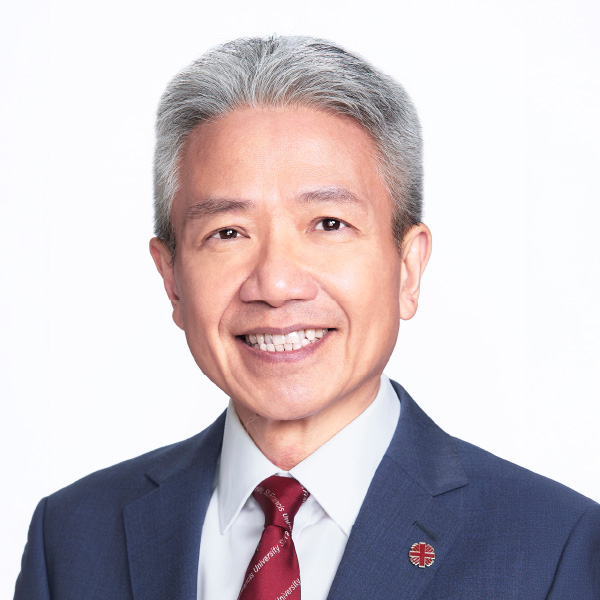
Stephen CHEUNG Yan-leung
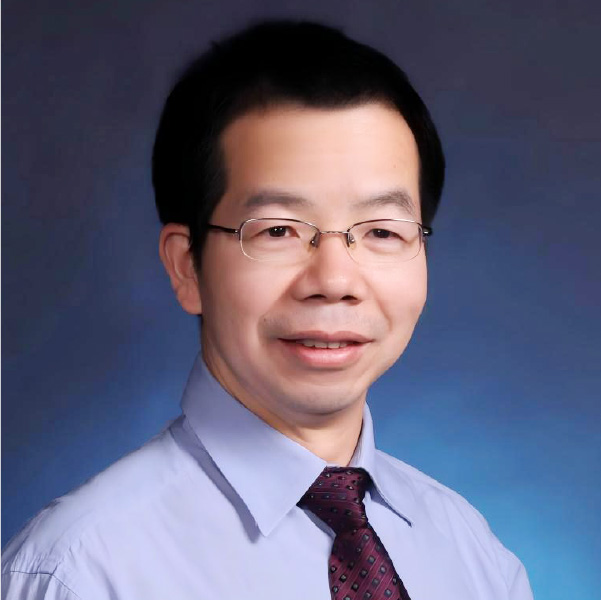
HUANG Ronghuai

KIM Sethany
Moderator
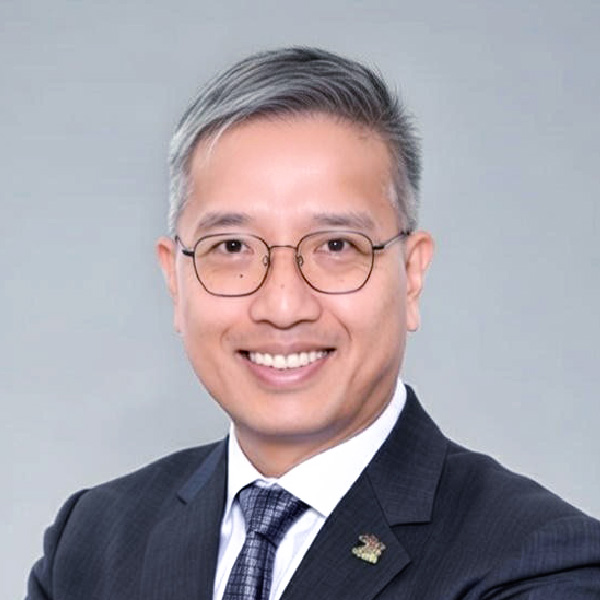
Kerry LEE
Track 3.4 Co-learning Workshop
Technology for Social Impact: Turning Innovation into Purposeful Practice
The session explored how NGOs and philanthropic organisations can use technology in practical, purposeful ways to expand reach, reduce manual work and improve access to services. The discussion considered when technology, especially AI, is useful in the social sector and how organisations can adopt it responsibly.
Xiao Liming outlined Tencent’s shift years ago to embed “sustainable social value innovation” in its core strategy through its Consumer-Business-Society framework, and that business value should be grounded in social value. He traced Tencent’s technology-for-good work through three stages: first, enabling public digital giving; second, providing digital tools to large numbers of NGOs in China to improve efficiency and transparency; and third, establishing SSV to test solutions, scale those that prove effective and help build wider ecosystems with government and other partners. He added that AI development must be accompanied by governance, including safeguards on privacy and measures to address risks such as deepfake fraud.
Steven Chan stressed that AI has lowered the barrier to prototyping, making it easier for NGOs to test ideas quickly and at low cost without large technical teams. Nonetheless, he considered it imperative to differentiate what kinds of work should be accelerated to “agent speed” and remained at “human speed”, especially those involving human alignment and connections. He argued that technology should never be adopted for its own sake. It must begin with real user needs, identified through direct engagement with those affected. He also emphasised the importance of transparency and psychological safety within organisations so that teams can experiment, learn from failure and improve their work. During testing, he emphasised the need to establish appropriate guardrails, including safeguards such as using synthetic data instead of sensitive personal data as well as best practices such as vendor due diligence.
The discussion also addressed sustainability and service design. Xiao argued that the key question is not simply whether a project succeeds or fails, but whether it is sustainable. He described Tencent’s move towards more beneficiary-centred design, citing disaster relief models that use digital coupons and mobile payments so recipients can choose the goods they need, rather than receiving unsuitable donations.
In response to questions about how investment in technology should be balanced with investment in people, especially for grassroots NGOs with limited exposure to digital tools, Xiao said Tencent gives equal weight to both, pointing to rural empowerment programmes and youth training initiatives that develop human capacity alongside technology. On disaster relief, he also cited examples including early warning systems, drones and evacuation infrastructure developed with public-sector partners.
The discussion showed that technology is most useful when it is shaped by clear needs, tested carefully and supported by strong ethical judgement. The speakers concluded that AI may help organisations improve processes, learn and work more quickly and effectively, but lasting social impact still depends on human judgement, institutional learning and investment in people, with meaningful changes often starting small.
Arts Pavilion
Speaker(s)

Steven CHAN

XIAO Liming
Moderator

Grace CHENG
Coffee Break
Plenary 7
From the Field to the Boardroom: Training for Leadership
The panel asked how experience in elite sport can shape leadership in business and public life, and how lessons learned in training and competition can be carried forward into philanthropy and wider social impact. Moderator Trisha Leahy framed the discussion around three questions: how sport shaped the speakers’ leadership paths, how sporting habits and mindsets now inform their executive work, and how they use their positions to create opportunities for others.
Simon Arkell described sport as the direct foundation of his career. As a child, he set his sights on becoming an Olympian despite feeling he was not naturally gifted, and pole vaulting taught him persistence, ambition and comfort with failure. He said the path from novice to Olympian was never linear, but a “squiggly line” marked by setbacks, injuries and repeated effort. That same mindset later shaped his work as an entrepreneur and startup founder. In both sport and business, he argued, progress depends on staying in the game through losses, missed opportunities and uncertainty, while continuing to adapt and push forward.
Malina Ngai likewise reflected on modest beginnings, recalling that she once came last in school races before moving from athletics into rowing after injury. She said sport left her with habits that still structure her life as chief executive of a company operating across 30 markets with 130,000 colleagues. Foremost among these is self-discipline: training taught her to manage energy, time and routine with precision, and she still begins each day with exercise. She also stressed self-awareness, arguing that the athlete’s habit of examining strengths, weaknesses and areas for improvement remains vital in leadership.
Both speakers highlighted the transfer of sporting disciplines into organisational leadership. Arkell said pole vaulting made him highly analytical: he studied stronger competitors, collected information and adjusted his own training accordingly. That habit later fed into his work in technology and data-driven healthcare ventures. Ngai emphasised the culture of high performance, arguing that excellence is not a single outstanding result but the consistent execution of basic tasks to a high standard every day. In a large multinational business, she said, this requires a clear purpose, shared standards and the expectation that every colleague shows up ready to perform.
The panel also examined where sporting habits need to be modified. Ngai said athletes often pursue perfection, but business requires leaders to manage imperfection, build teams with uneven strengths and help weaker members improve rather than blaming them. Arkell similarly said he had to soften a harsh performance mindset. Earlier in his career, he was too quick to remove underperformers, but over time came to see that leaders must coach, mentor and take responsibility for enabling others to succeed.
In discussing legacy, both speakers linked sport to philanthropy. Arkell spoke about fundraising for childhood cancer causes and supporting Australian Olympians who struggle financially between Games cycles. Ngai highlighted long-running student sports awards designed to build confidence, widen access and encourage young people to inspire others. Across the discussion, sport emerged not simply as a training ground for competition, but as a school for resilience, judgement, teamwork and service.
Hong Kong Palace Museum
Speaker(s)

Simon ARKELL

Malina NGAI
Moderator

Trisha LEAHY
Coffee Break
Closing Plenary
Passing the Torch: From Athletes to Future Changemakers
The session brought together former basketball star Yao Ming and three younger elite athletes – Cado Lee, Jacqueline Lai and Yvette Kong – to consider how sporting experience can shape leadership, mentorship and service beyond competition. Framed as an intergenerational exchange, the discussion explored how athletes can use their values, influence and public platforms to support the next generation.
The speakers began by reflecting on defining moments in their sporting lives. Lee recalled Hong Kong’s comeback win over Japan at the Asian Games, an achievement that he treasured because it showed what belief and resilience could achieve under pressure. Lai pointed to her fifth-place finish at the National Games after sixteen years in equestrian sport, describing it as a milestone shaped by injury, setbacks and personal growth. Kong remembered winning relay medals at the 2009 East Asian Games in Hong Kong, when the home crowd and intensity of the moment left a lasting impression. Yao chose a much earlier memory of a basketball game at the age of around nine, which was the first game he won with the team.
The discussion then turned to what sustains athletes over time. Lai spoke of the support of her mother, who had been a constant presence throughout her journey. Kong reflected on the importance of staying true to the younger self who first dreamed of reaching the Olympics. Lee stressed that success in rugby is shared, crediting teammates rather than individual achievement.
Asked what advice they would offer younger athletes, the panellists emphasised self-knowledge, patience and openness to learning. Lai encouraged curiosity and continuous improvement. Kong stressed the need to understand one’s own motivations and values. Lee underscored the need of constant listening to and understanding of young people’s voices.
Yao widened the discussion to philanthropy and responsibility beyond sport. Drawing on his own foundation’s support for school sports programmes in China, he described passing the torch as a two-way process in which younger generations are not only guided but also heard.
On what it means to become an elite athlete, Yao described this less as a formal label than as a mindset of commitment and hard work. Lee emphasised steady, incremental progress rather than fixation on results. Lai spoke about managing uncertainty in equestrian sport, where outcomes depend on many factors beyond the rider alone. Reflecting on limits and retirement, Kong observed that giving our best allows us to realise our fullest potential. While still at her peak, she followed her heart and shifted gears to pursue work in mental health, among other interests. Yao similarly reflected that if he was satisfied with the result and knew he had given his all, he could let go. For him, sport was not only about accomplishments, but also about experiences that left athletes fundamentally changed.
The discussion closed on the question of legacy. Across different sports and generations, the panellists suggested that athletes can lead not only through results, but through example, encouragement and the willingness to create paths for others.
Hong Kong Palace Museum
Speaker(s)

Yvette KONG

Jacqueline LAI

Cado LEE
Moderator
YAO Ming
Closing Remarks
Vote of Thanks
Hong Kong Palace Museum