
 About PBC
A New Era for Philanthropy: Leading Through Complexity
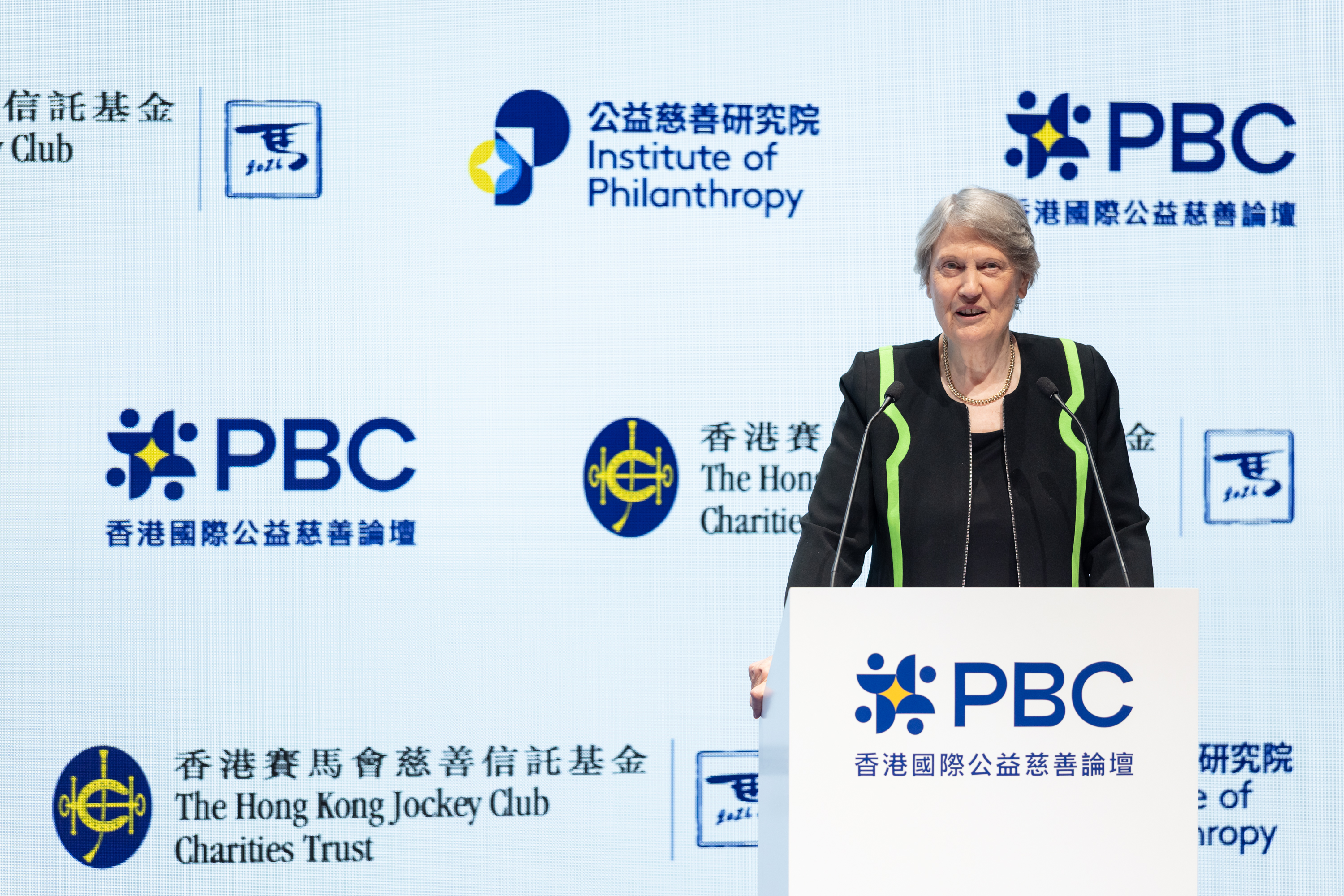
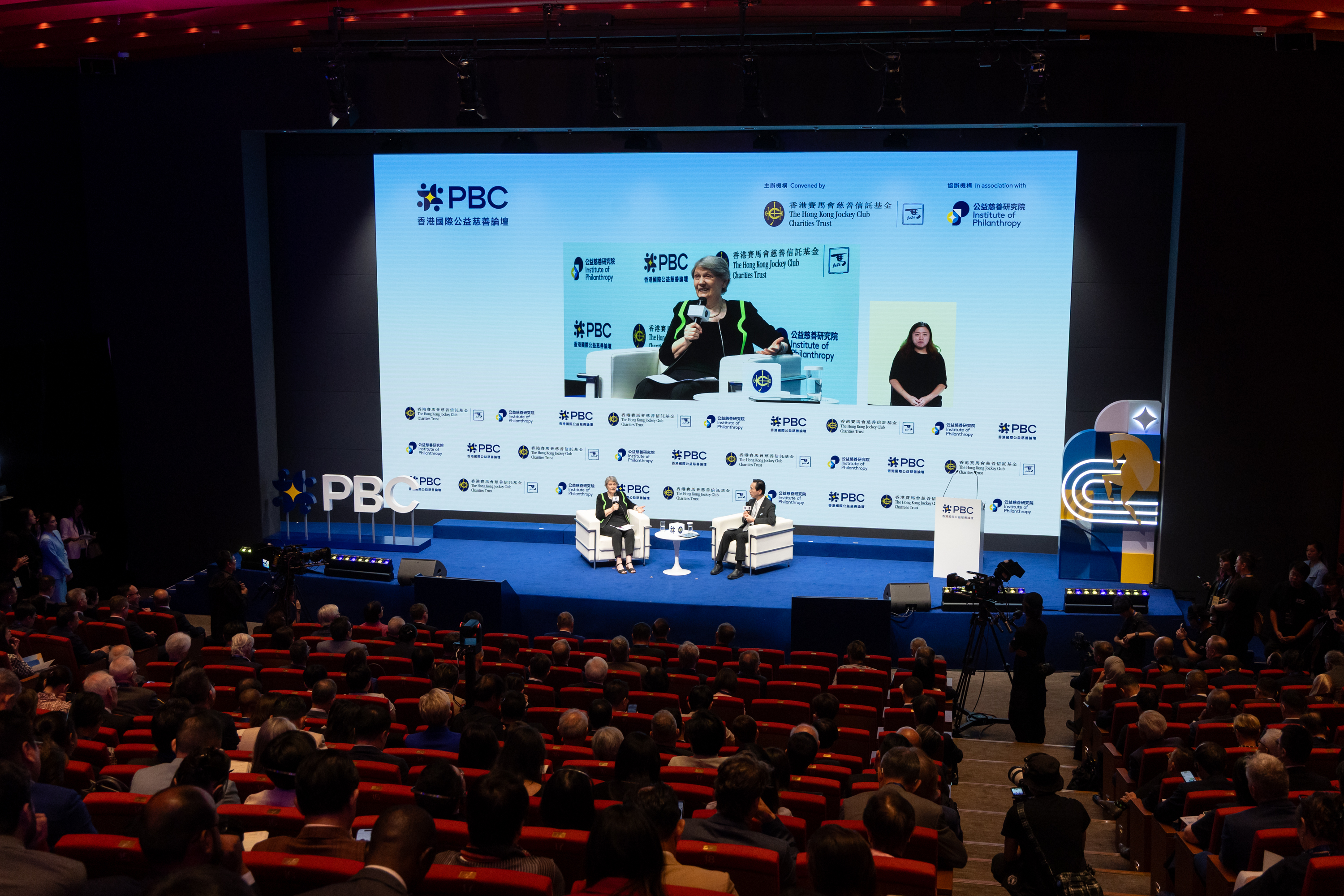
In her keynote, Helen Clark examined global forces and their implications for philanthropy. She described a transition from a unipolar order towards an uncertain multipolar system, with international institutions, legal frameworks and cooperation under mounting pressure. Declining development assistance – particularly for global health – has also had severe consequences for low- and middle-income countries. Nevertheless, Clark rejected despair, emphasising that individuals, communities and organisations retain the agency to create positive change.
Clark identified nuclear weapons, pandemics, climate change, ecosystem collapse and artificial intelligence (AI) as existential threats requiring collective action. Yet geopolitical polarisation, weakened multilateral institutions and distrust of science obstruct effective responses. She highlighted climate-change denial, anti-vaccination campaigns and falling childhood immunisation rates as examples of how misinformation can endanger lives. Social media platforms with few safeguards have amplified polarising content and public mistrust. Meanwhile, conflicts have disrupted food and fuel supplies, increased living costs and delayed progress on ending poverty and hunger, while humanitarian crises have exposed persistent violations of international law.
Against this backdrop, Clark argued that philanthropy exists to do good and has growing significance in leading critical areas such as poverty elimination, health, education and environment.. Philanthropic organisations can provide a voice and practical support for innovators, catalysers and implementers who seek to improve the lives of others, the state of the environment and the world in which we live.. Drawing on her involvement in sport, Clark suggested that philanthropy could emulate successful teams by combining strong leadership and vision with innovation, talent and loyal partners. She concluded that philanthropy must lead with courage and conviction, demonstrate better ways forward and help bring societies together.
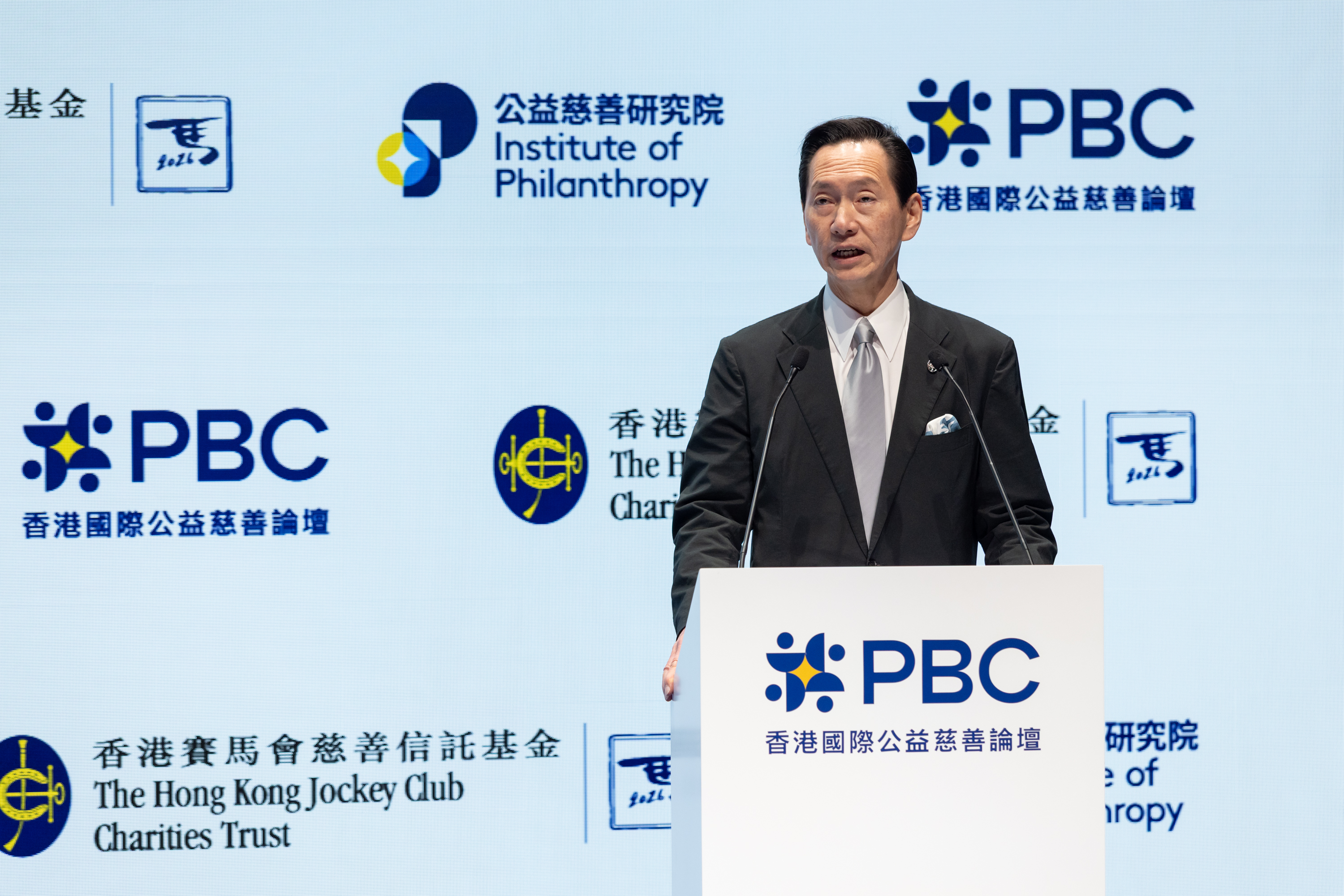
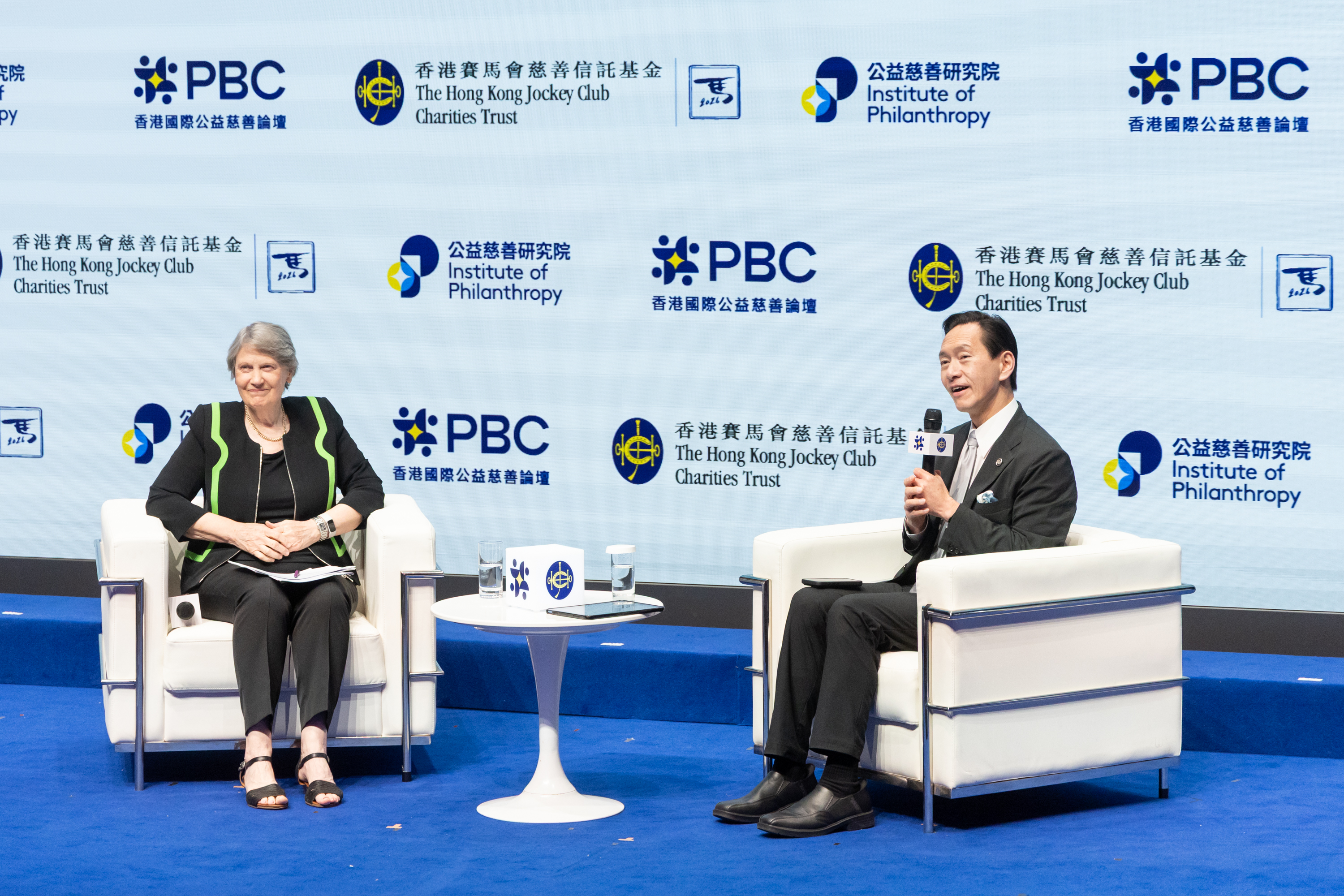
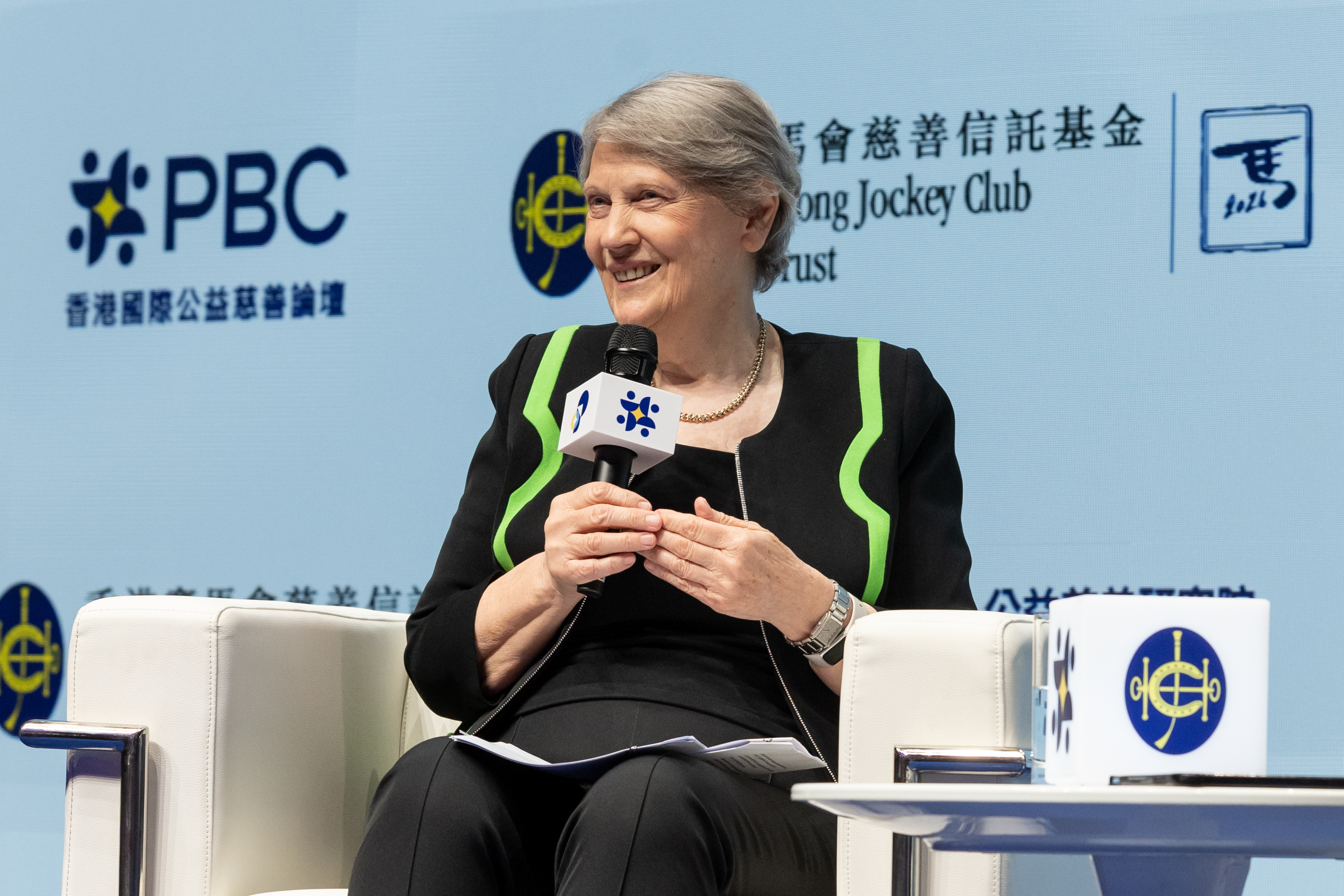
In her discussion with Bernard Charnwut Chan, Clark elaborated on the severity of existential threats. She stressed the need to, for example, strengthen pandemic preparedness through disease surveillance, testing, treatment and vaccine development, particularly in fragile and marginalised regions. On AI, she acknowledged its potential to accelerate scientific and medical breakthroughs but warned about various issues such as lethal autonomous weapons, job disruption, inequality and the power demands of mega data centres, which lacks global guardrails and governance.
The discussion also explored how trust and resources could be mobilised. Clark maintained that confidence in institutions such as the United Nations and World Health Organization must be rebuilt, while public health messages should be delivered through trusted community figures and adapted to diverse populations. Where governments have limited reach, philanthropic and humanitarian organisations can often access communities that others cannot. To counter online misinformation, she advocated media literacy, source-checking and enforceable codes of conduct for digital platforms. Clark ultimately called for partnerships that mobilise resources at scale and pursue catalytic impact, positioning philanthropy not merely as a funder of last resort, but as a source of leadership, innovation and hope.