
 About PBC
From the Field to the Boardroom: Training for Leadership
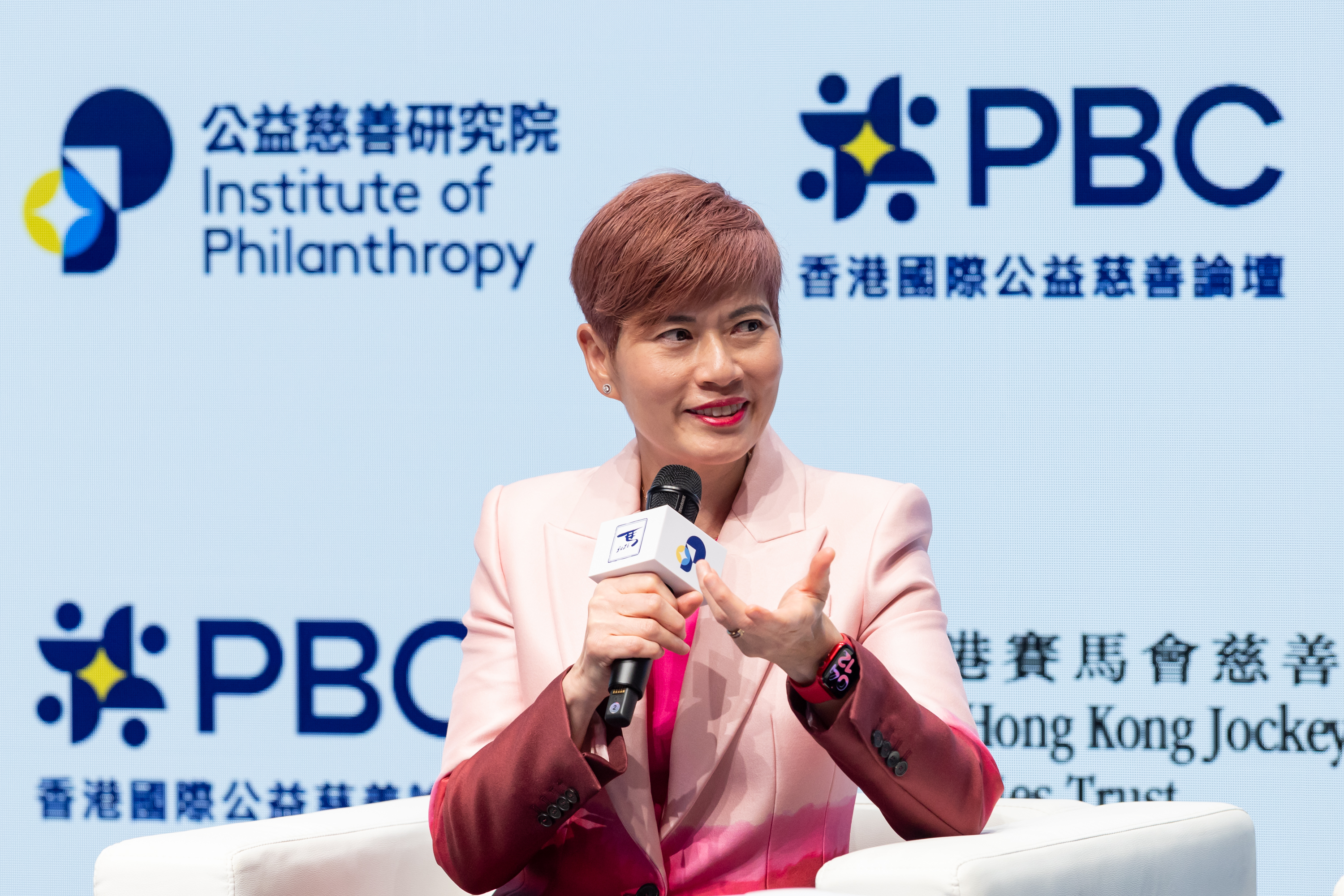
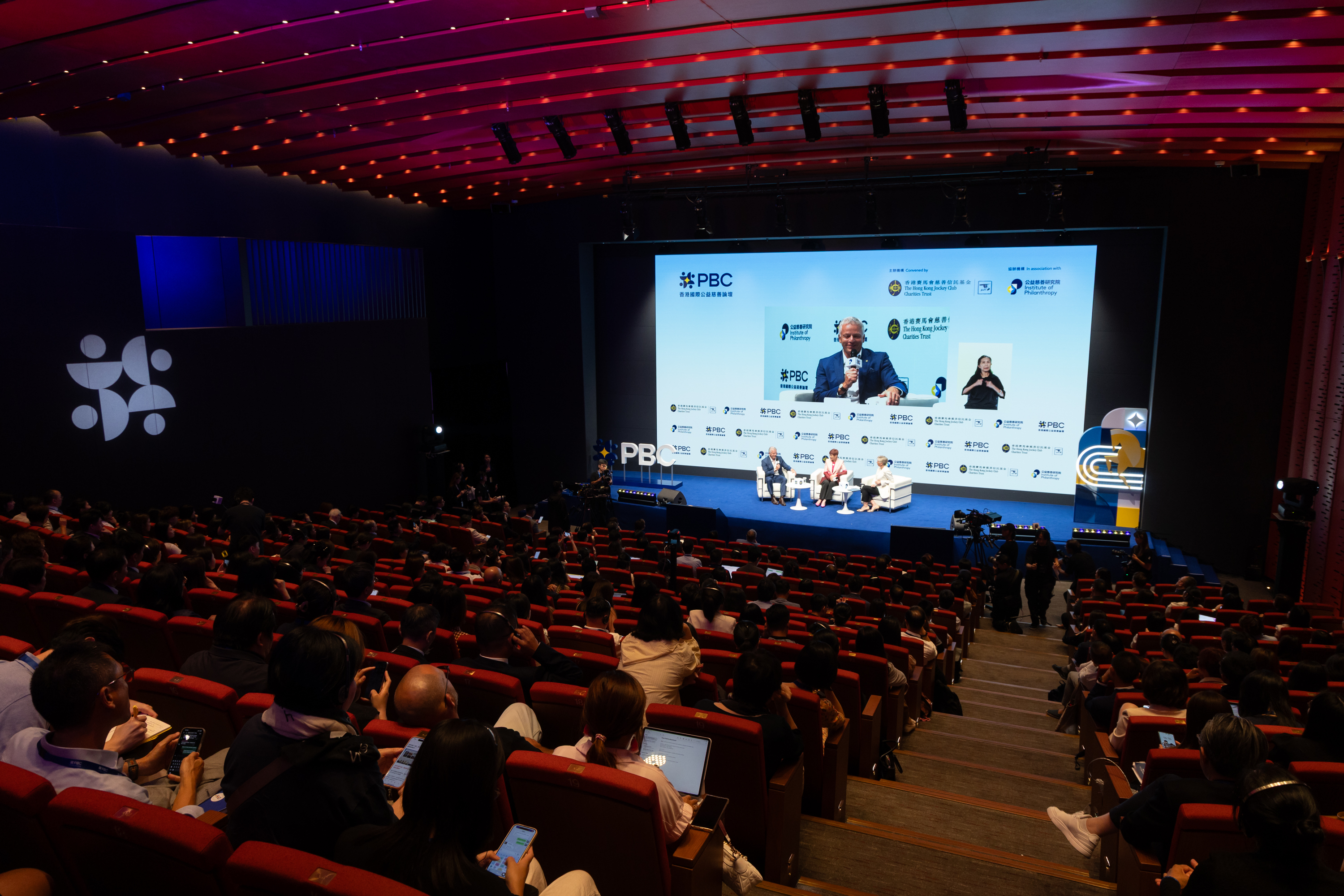
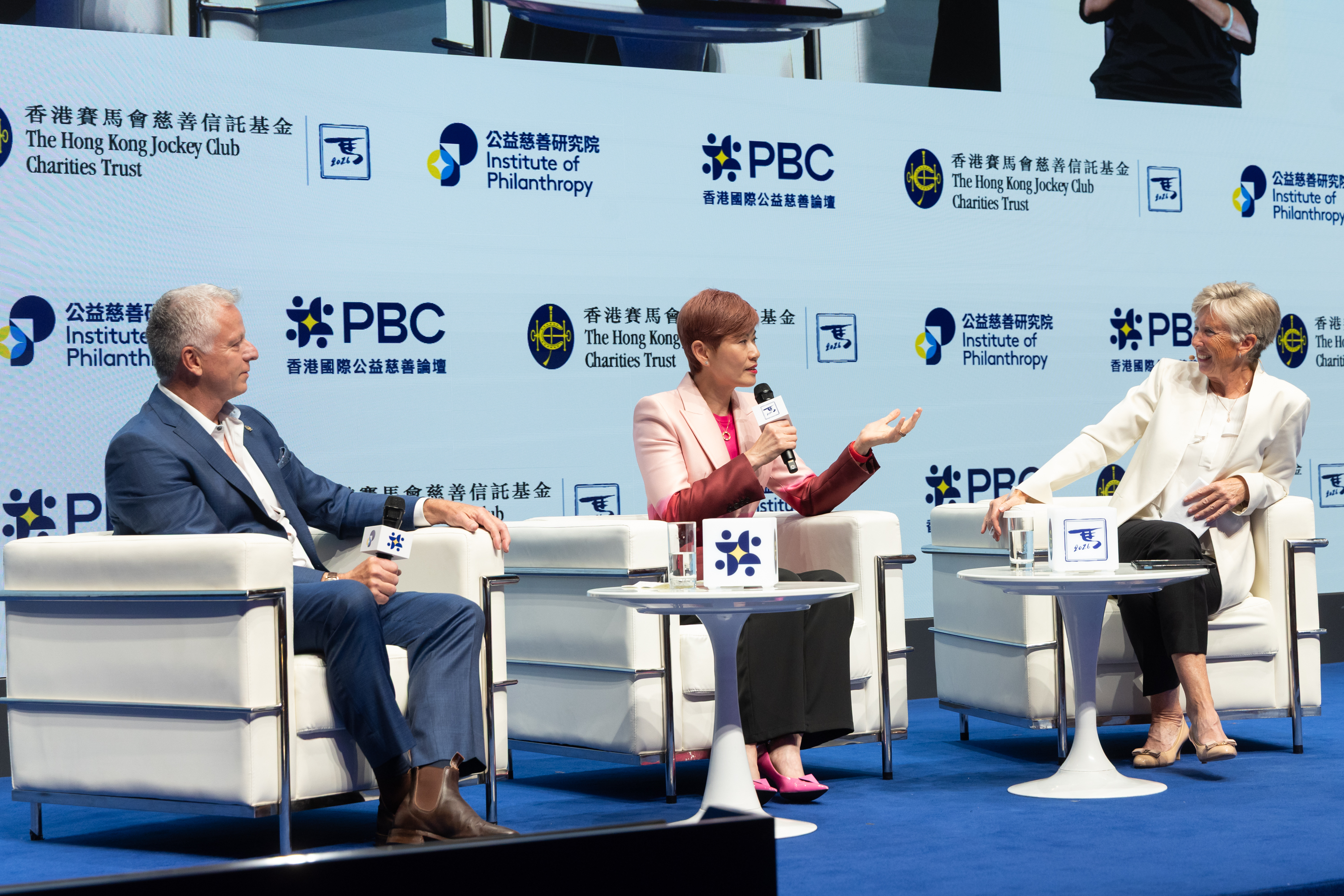
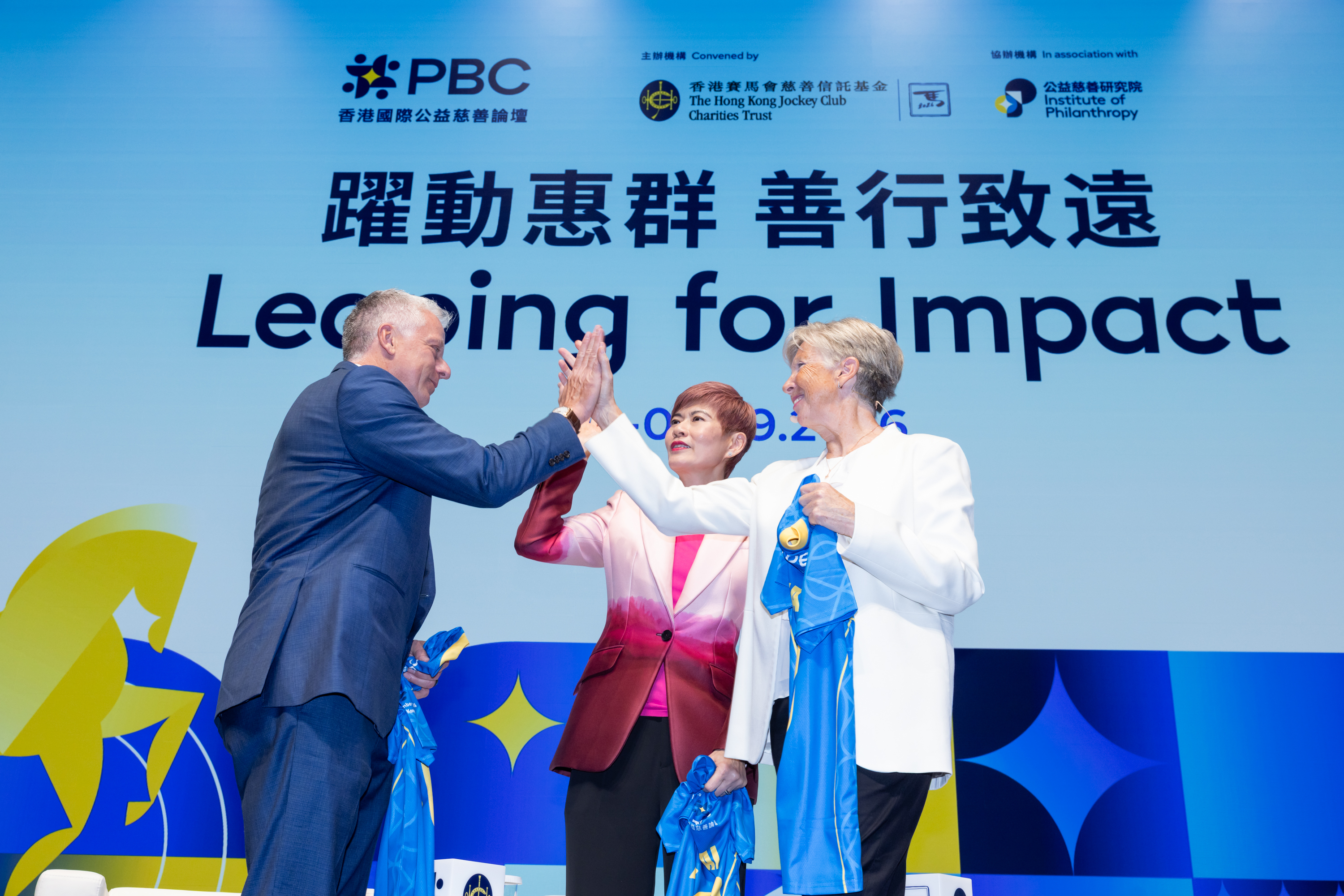
The panel asked how experience in elite sport can shape leadership in business and public life, and how lessons learned in training and competition can be carried forward into philanthropy and wider social impact. Moderator Trisha Leahy framed the discussion around three questions: how sport shaped the speakers’ leadership paths, how sporting habits and mindsets now inform their executive work, and how they use their positions to create opportunities for others.
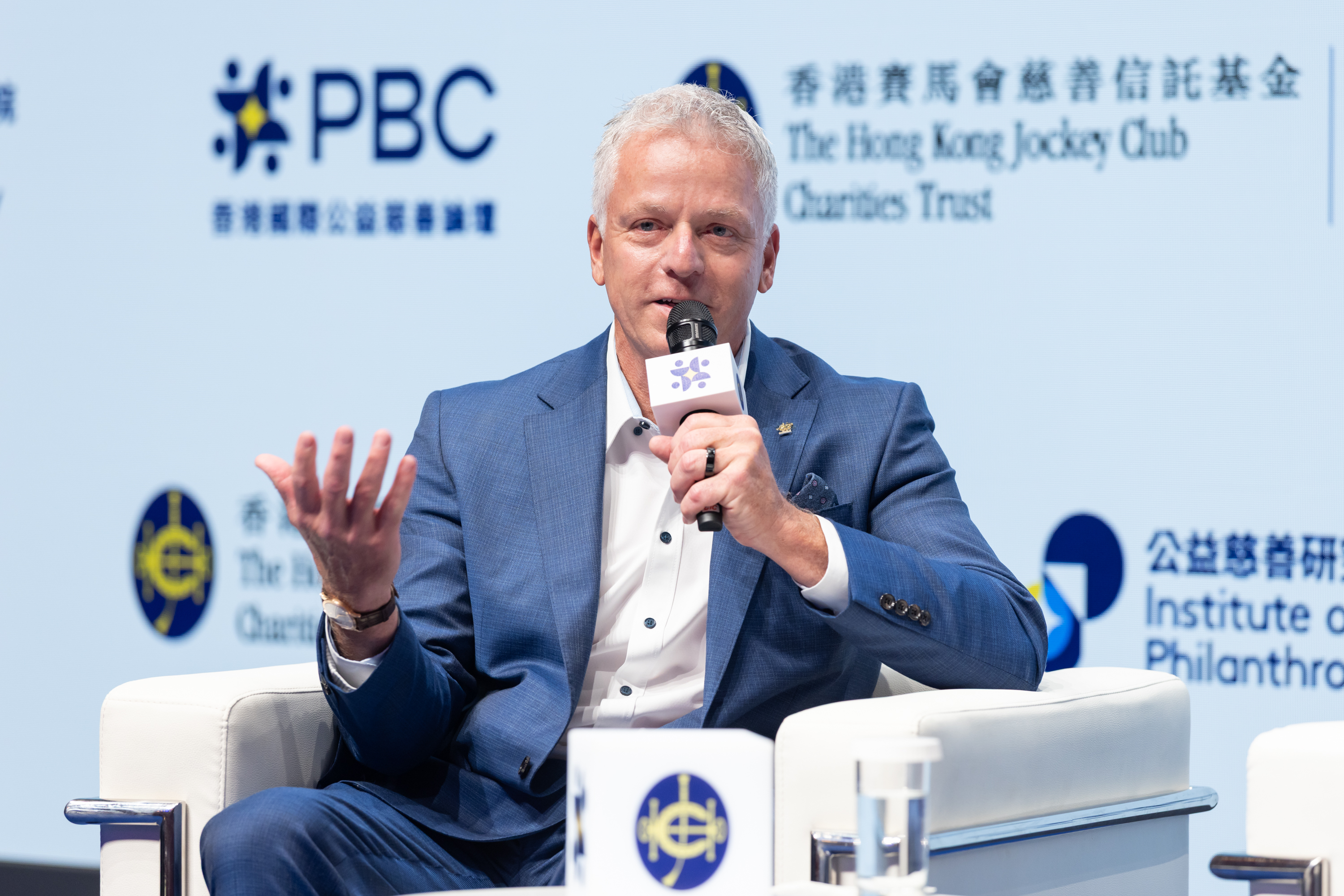
Simon Arkell described sport as the direct foundation of his career. As a child, he set his sights on becoming an Olympian despite feeling he was not naturally gifted, and pole vaulting taught him persistence, ambition and comfort with failure. He said the path from novice to Olympian was never linear, but a “squiggly line” marked by setbacks, injuries and repeated effort. That same mindset later shaped his work as an entrepreneur and startup founder. In both sport and business, he argued, progress depends on staying in the game through losses, missed opportunities and uncertainty, while continuing to adapt and push forward.
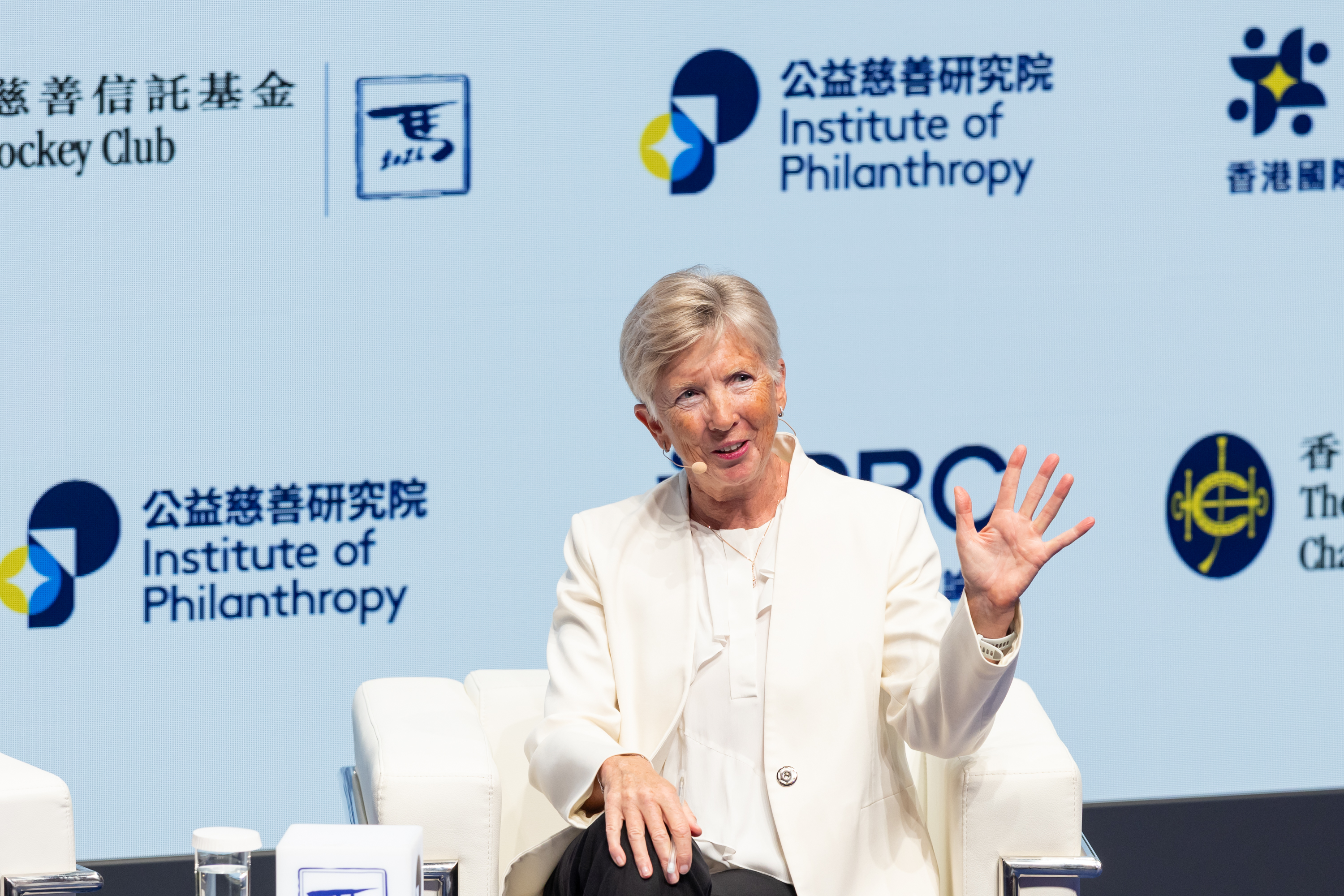
Malina Ngai likewise reflected on modest beginnings, recalling that she once came last in school races before moving from athletics into rowing after injury. She said sport left her with habits that still structure her life as chief executive of a company operating across 30 markets with 130,000 colleagues. Foremost among these is self-discipline: training taught her to manage energy, time and routine with precision, and she still begins each day with exercise. She also stressed self-awareness, arguing that the athlete’s habit of examining strengths, weaknesses and areas for improvement remains vital in leadership.
Both speakers highlighted the transfer of sporting disciplines into organisational leadership. Arkell said pole vaulting made him highly analytical: he studied stronger competitors, collected information and adjusted his own training accordingly. That habit later fed into his work in technology and data-driven healthcare ventures. Ngai emphasised the culture of high performance, arguing that excellence is not a single outstanding result but the consistent execution of basic tasks to a high standard every day. In a large multinational business, she said, this requires a clear purpose, shared standards and the expectation that every colleague shows up ready to perform.
The panel also examined where sporting habits need to be modified. Ngai said athletes often pursue perfection, but business requires leaders to manage imperfection, build teams with uneven strengths and help weaker members improve rather than blaming them. Arkell similarly said he had to soften a harsh performance mindset. Earlier in his career, he was too quick to remove underperformers, but over time came to see that leaders must coach, mentor and take responsibility for enabling others to succeed.
In discussing legacy, both speakers linked sport to philanthropy. Arkell spoke about fundraising for childhood cancer causes and supporting Australian Olympians who struggle financially between Games cycles. Ngai highlighted long-running student sports awards designed to build confidence, widen access and encourage young people to inspire others. Across the discussion, sport emerged not simply as a training ground for competition, but as a school for resilience, judgement, teamwork and service.