
 About PBC
Two Playbooks, One Goal: Navigating Social Mobility in Asia’s Twin Cities
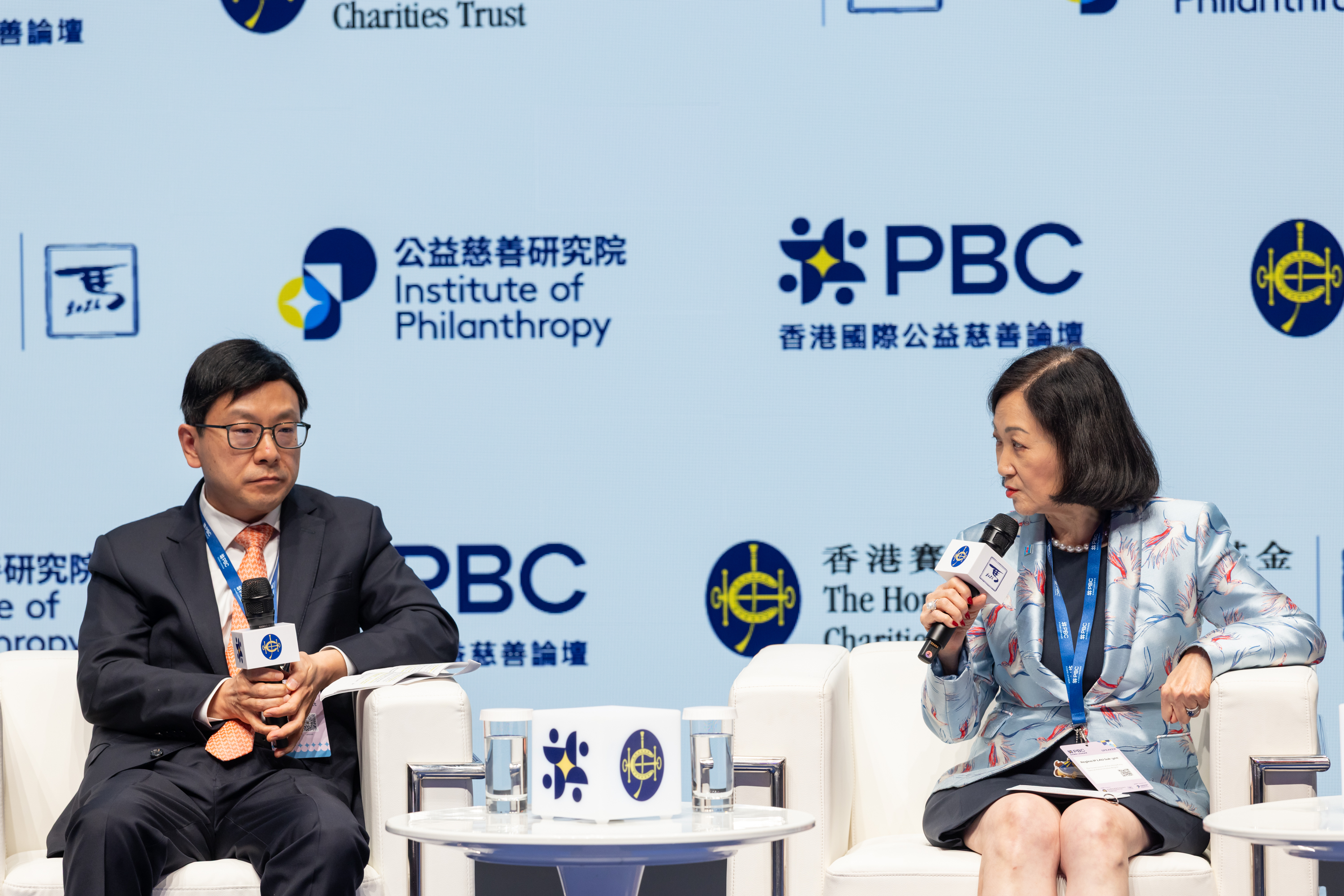
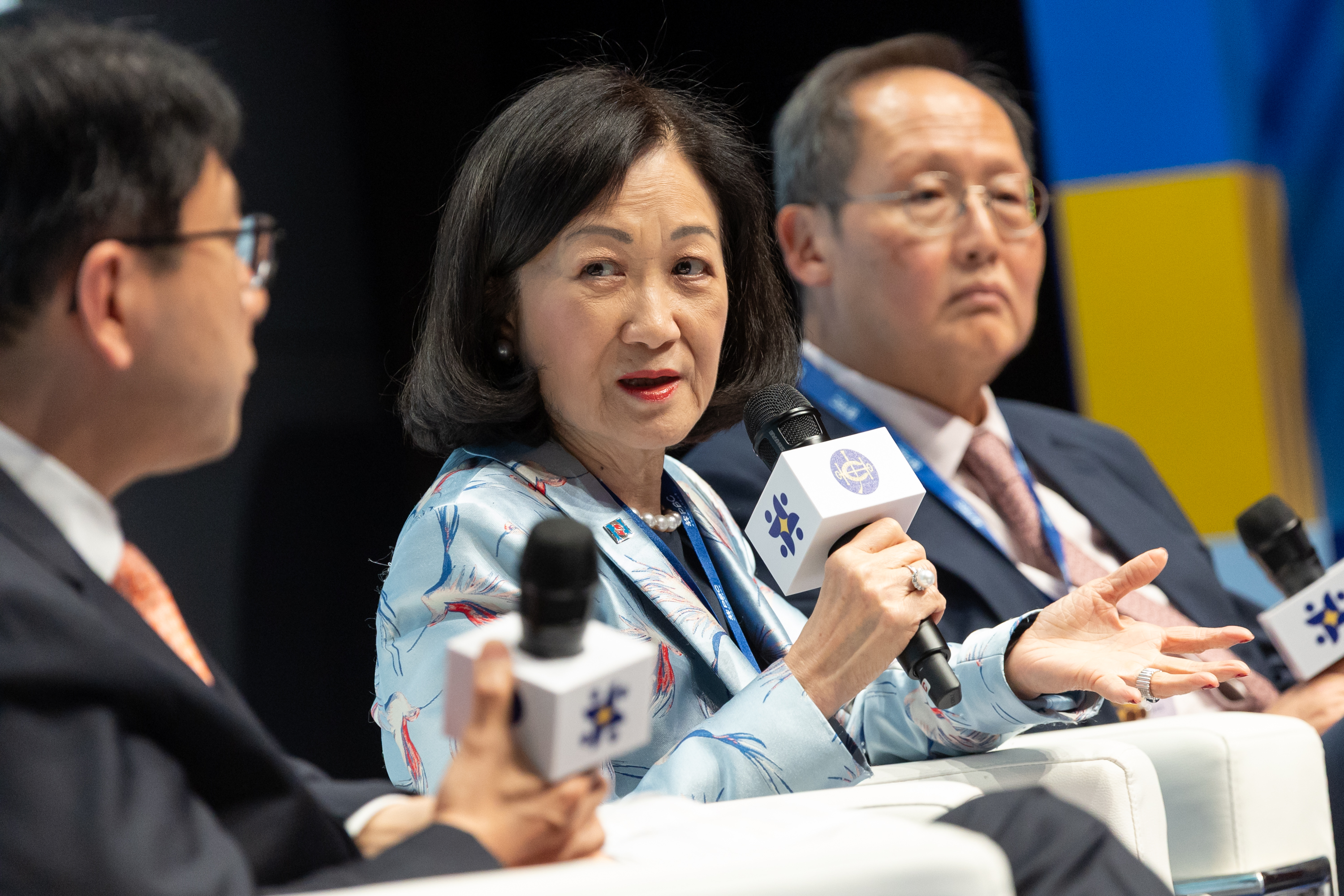
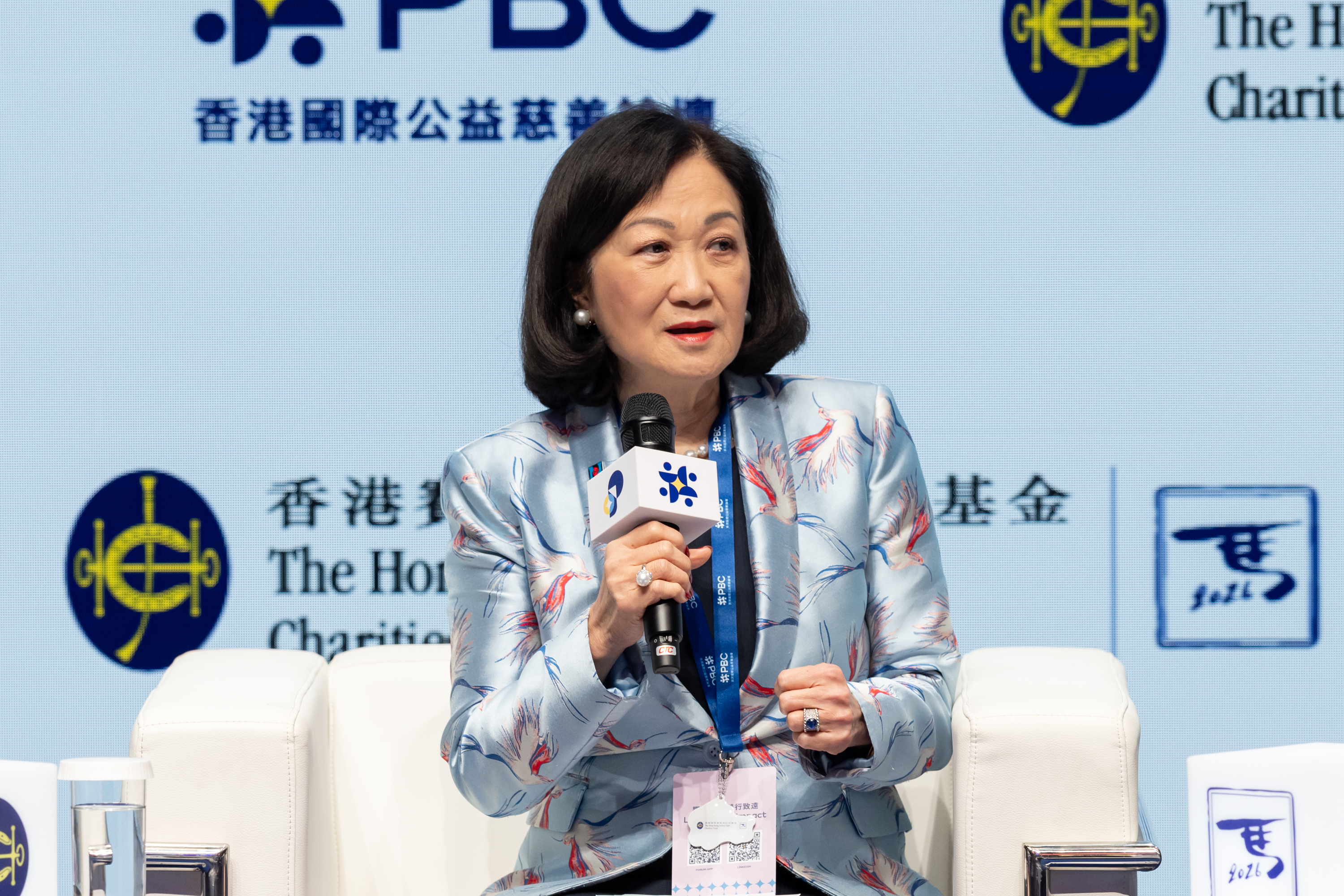
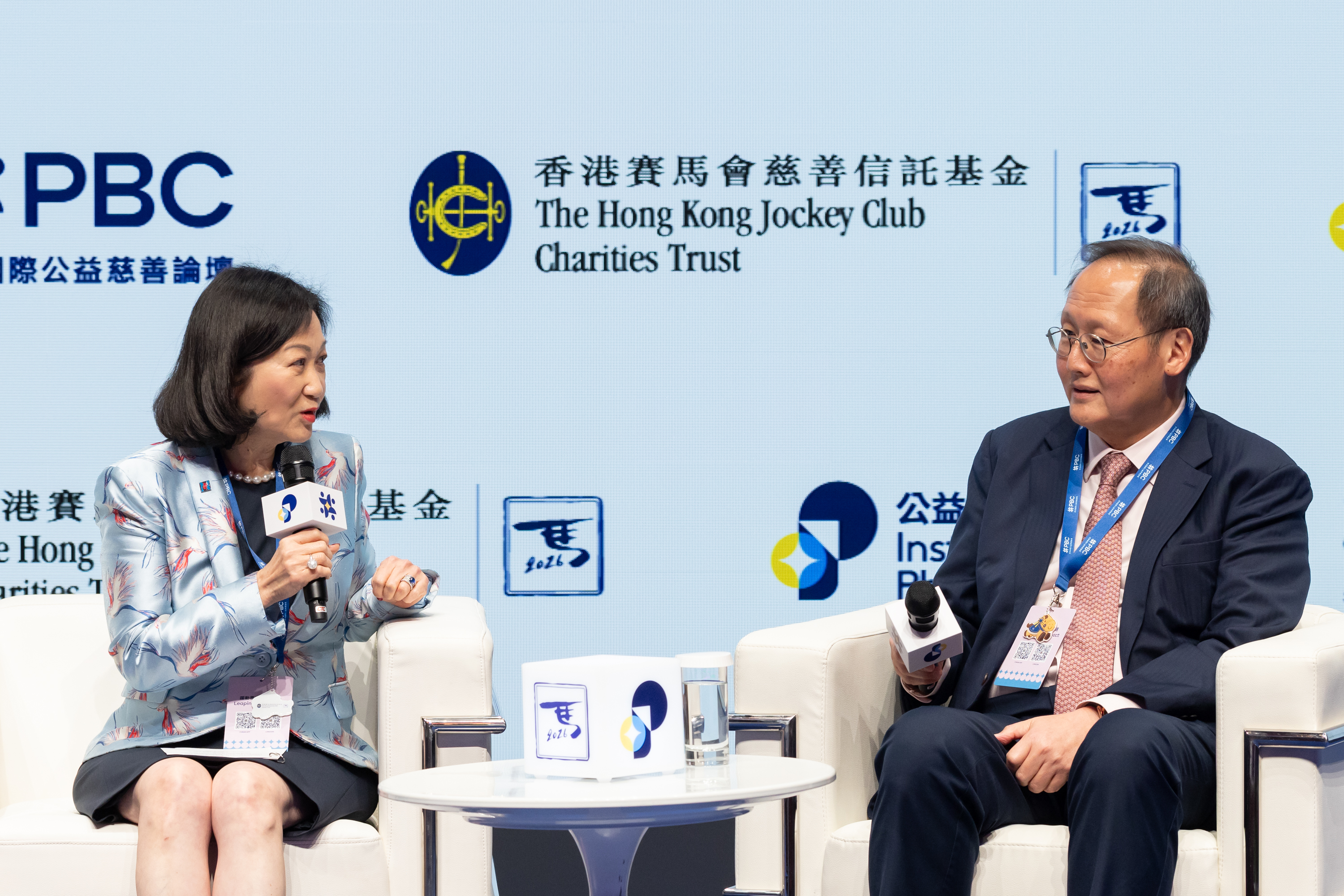
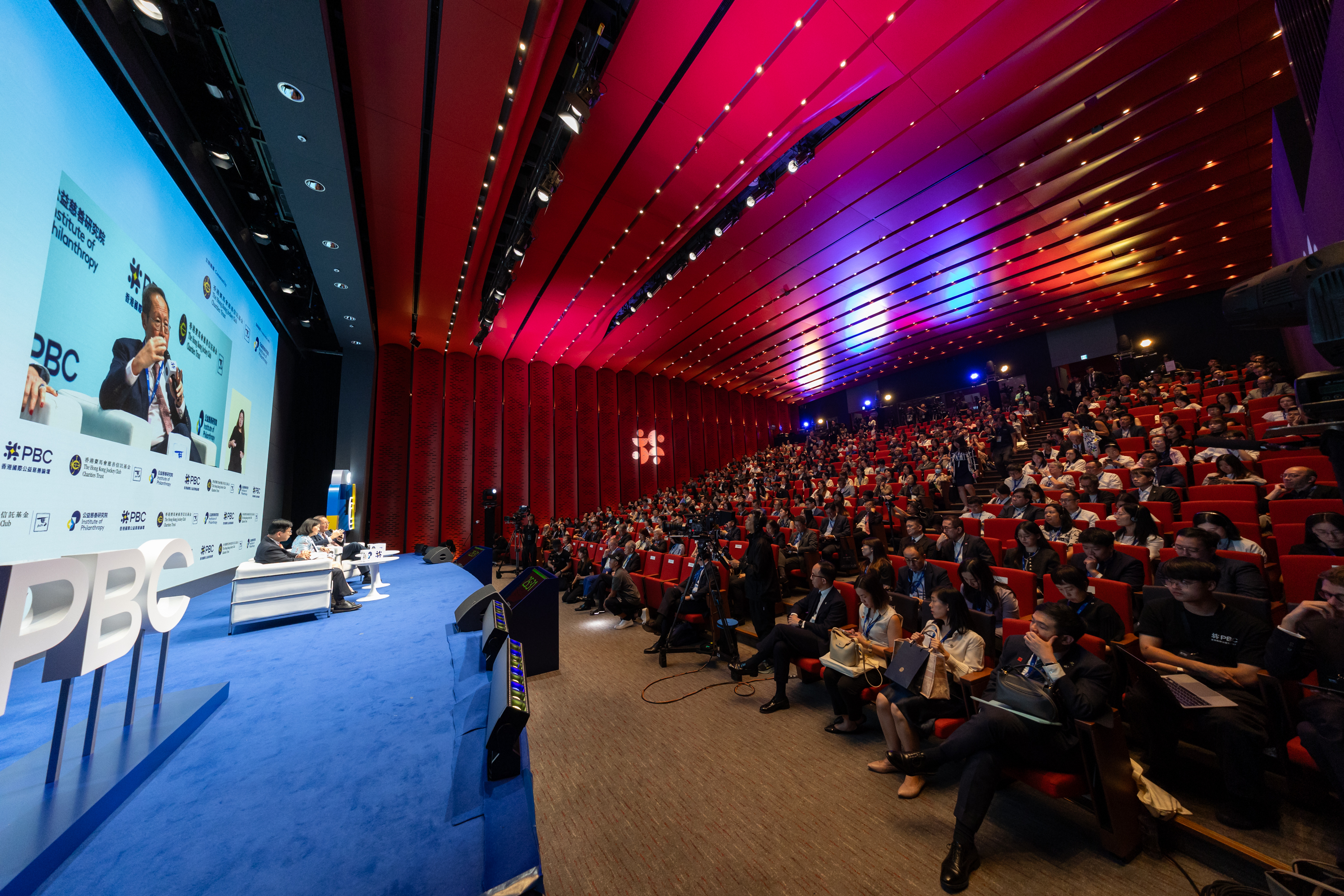
The panel examined how Hong Kong and Singapore can sustain social mobility as artificial intelligence (AI), demographic shifts and changing labour demand reshape entry-level opportunities and established careers. Panel chair Regina Ip opened by highlighting growing anxiety on upward mobility among young people. She proceeded to invite speakers Chris Sun and Tan See Leng to compare how the two cities protect workers, develop skills and create pathways for advancement.
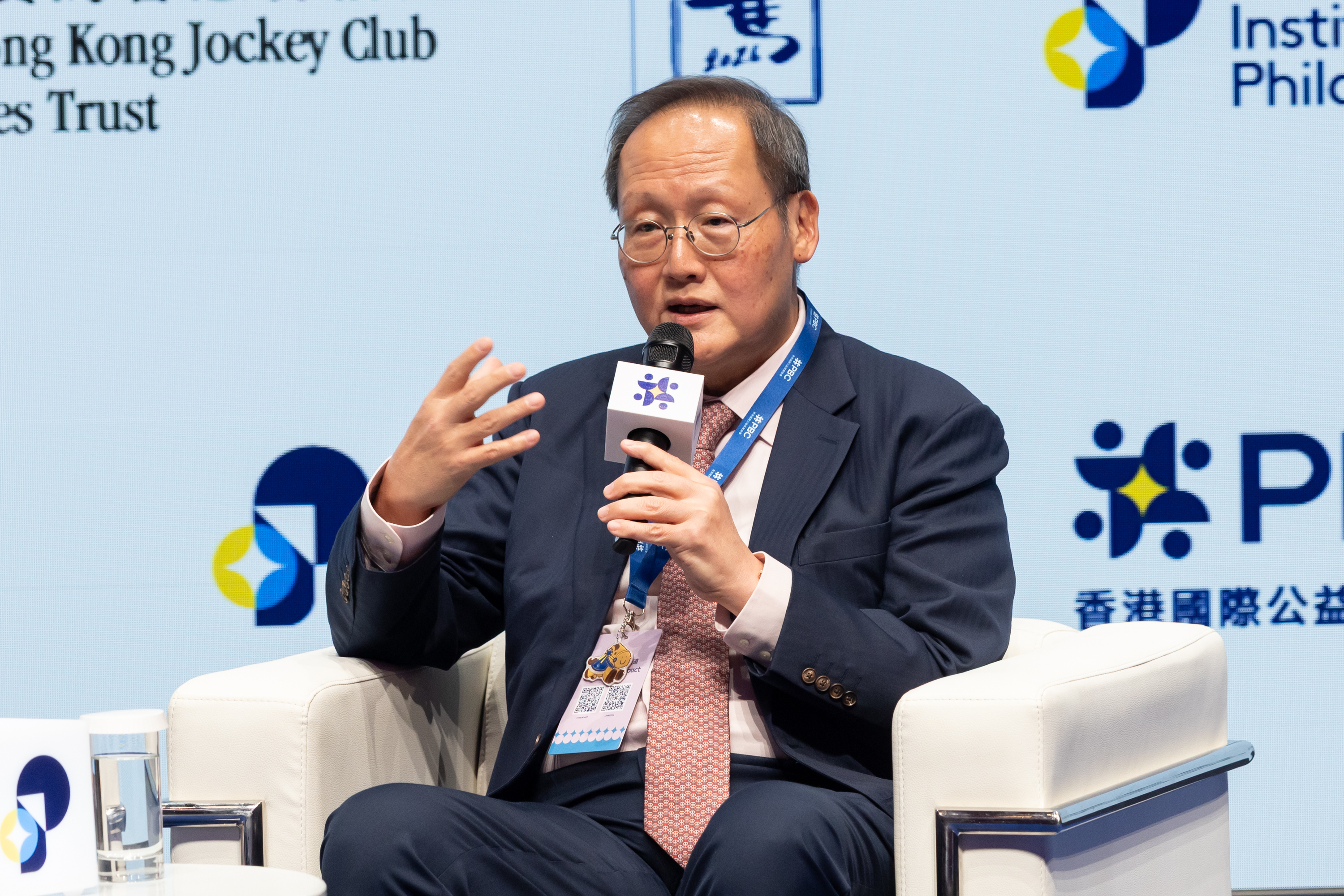
Tan described social mobility as a central challenge for economies worldwide. As job cycles and skills requirement change more quickly, policy must help graduates enter the workforce, support workers throughout their careers and enable those displaced by disruption to reskill. Singapore’s workforce strategy seeks to ensure that foreign labour complements local workers, while its progressive wage model establishes wage and career ladders for lower-wage occupations. The Government also provides subsidised training, mid-career support and opportunities for career transitions.
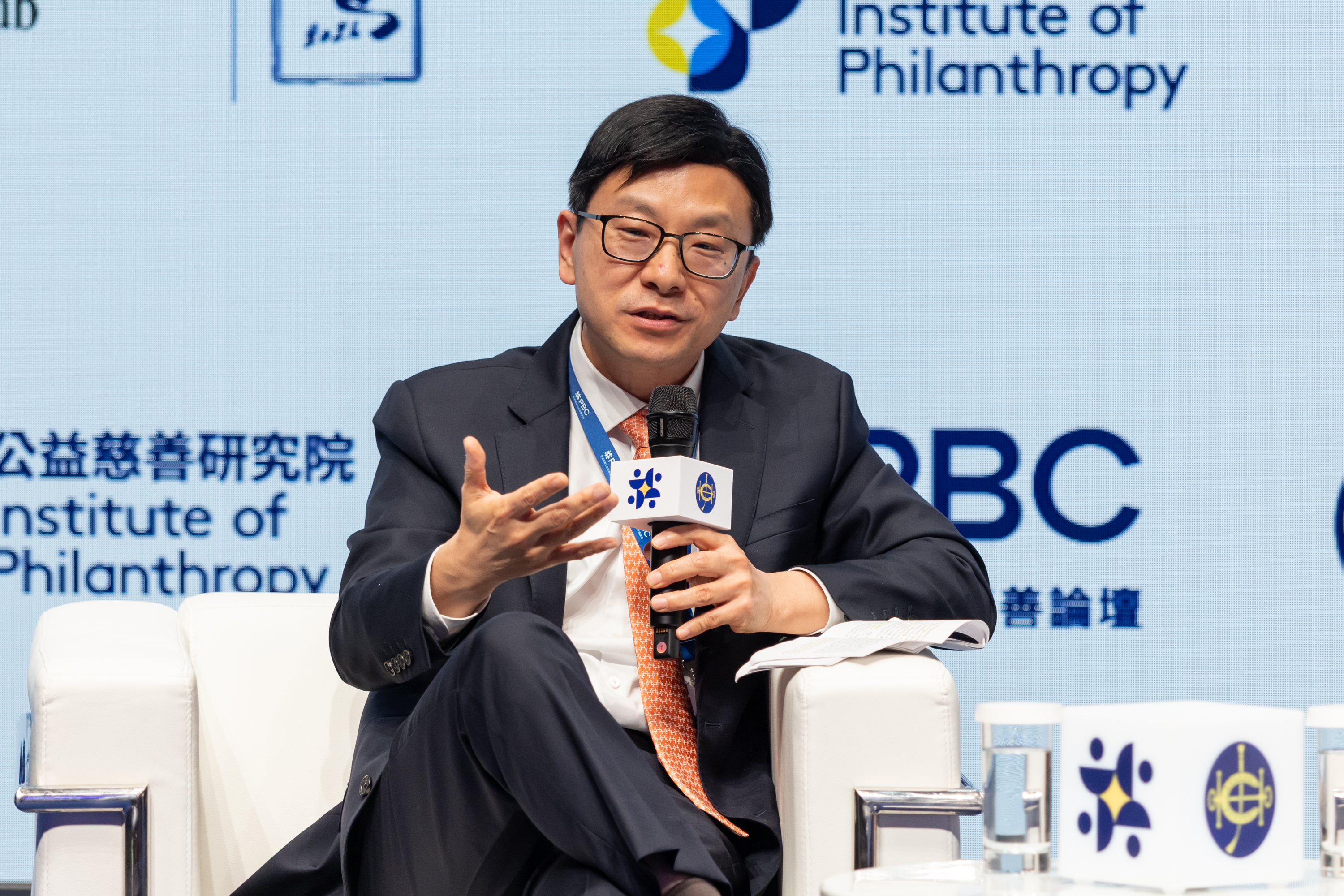
Sun observed that higher education alone no longer guarantees career success. Workers increasingly need three complementary attributes: AI fluency, industry expertise and soft skills. Although young people are often comfortable with AI, many lack opportunities to demonstrate their abilities professionally – an “AI fluency without a platform” paradox that particularly affects those from humble backgrounds. Sun therefore called for giving young people an opportunity to be tested so they can build the necessary knowledge, experience, networks and credible CVs.
Both speakers addressed the risks facing mid-career workers, particularly those in routine clerical positions. Sun argued that Hong Kong must retrain workers to combine industry knowledge with new technological capabilities. Rather than viewing AI purely as a job-destroying force, he anticipated “creative destruction” and demand for people who can integrate AI with deep professional expertise. Singapore, meanwhile, is promoting broad-based AI literacy through subsidised courses.
The discussion emphasised that government cannot act alone. Tan said public policy provides scale, employers create career pathways and philanthropy offers customised support for people mainstream programmes may not reach. Philanthropy can test innovative approaches so that successful models can then be adopted by government. Sun also announced plans for a matching platform connecting NGO welfare projects with philanthropic funding through a trusted mechanism.
Finally, the speakers considered disengaged and “hidden” youth. Sun stressed the importance of reaching them online, recognising their value, and reigniting their passion. Tan concluded that social mobility should be measured not simply by participation but by progress. Lifelong learning, practical experience, confidence and collaboration among government, employers, educators, NGOs and philanthropy will be essential to ensuring technological transformation expands rather than restricts opportunity.