
 About PBC
Sport as Civic Infrastructure: Building Leadership and Social Impact Across Systems
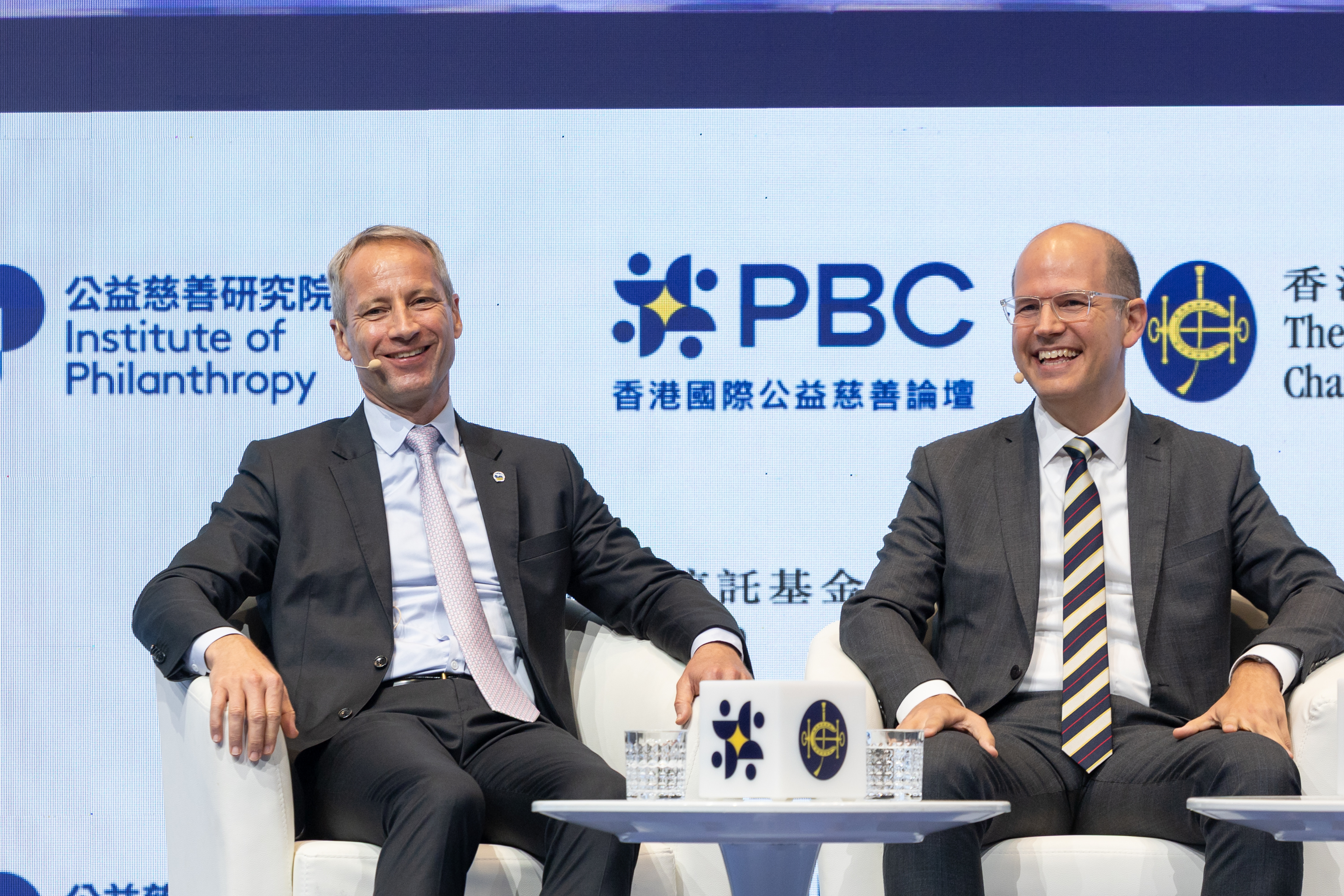
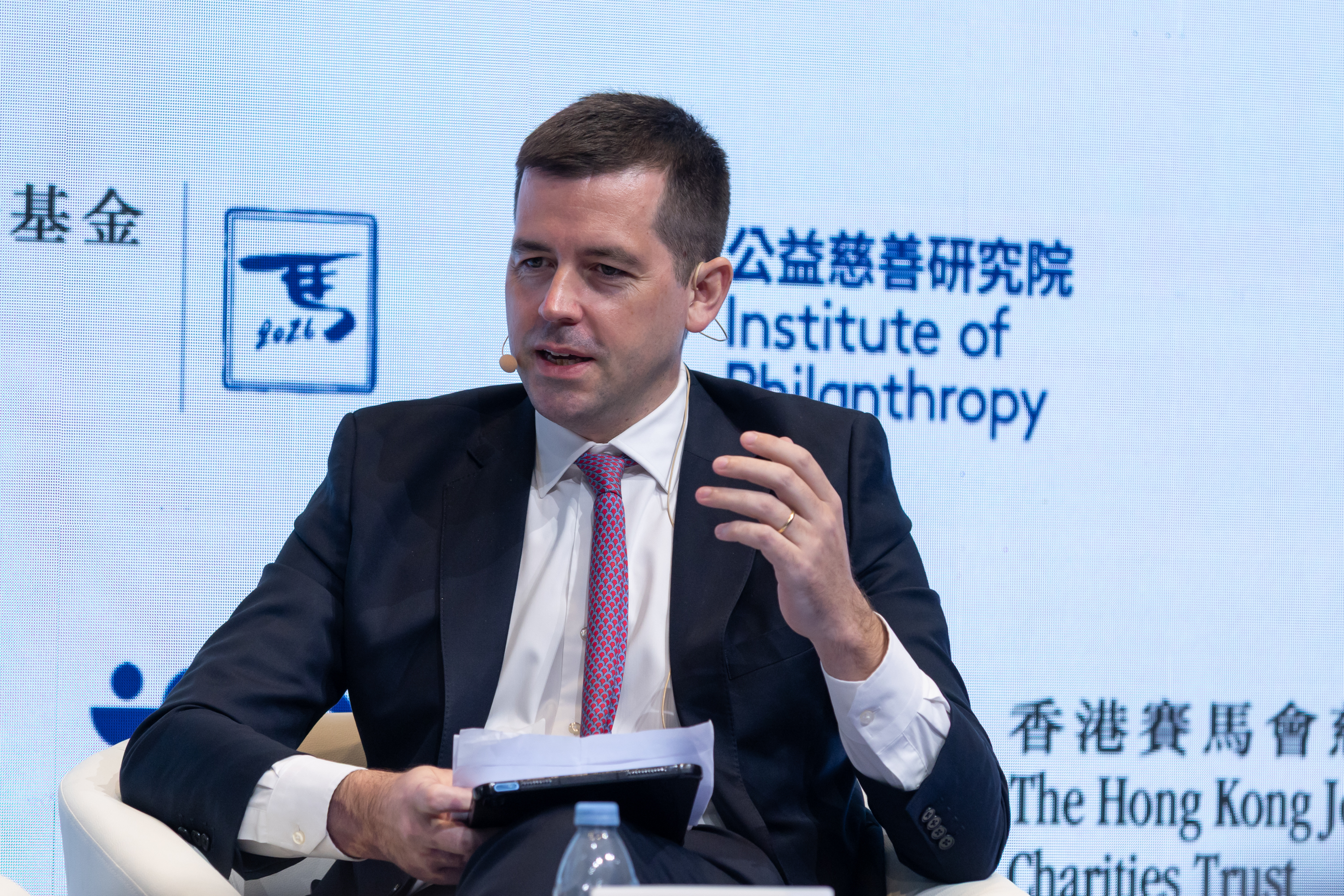
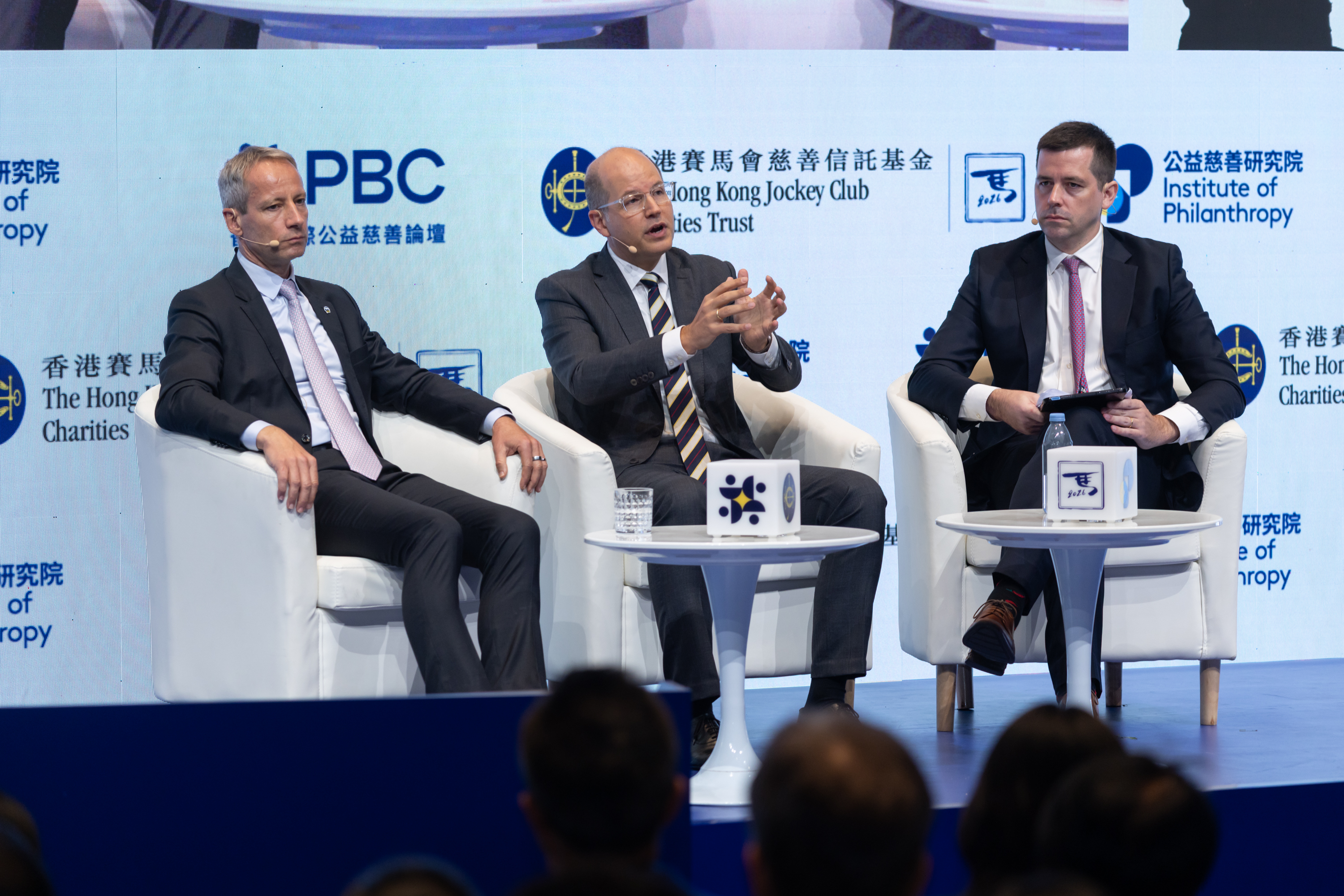
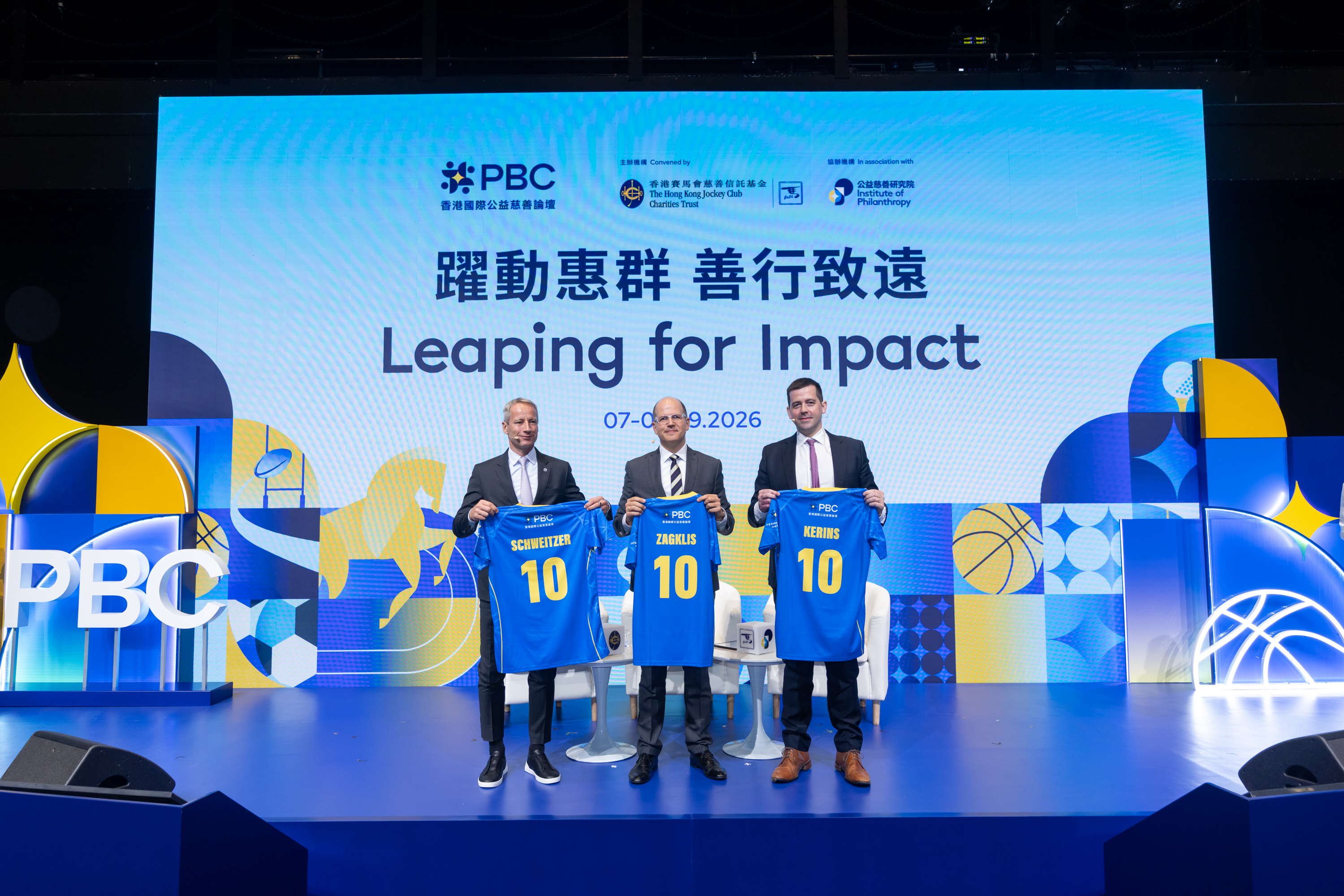
The panel explored how basketball can function as civic infrastructure when federations, clubs, governments, businesses, schools and community organisations work together to create lasting social value. Moderator Henry Kerins framed the discussion around moving beyond sporting competition and short-term participation towards stronger institutions, broader access and sustained opportunities for young people.
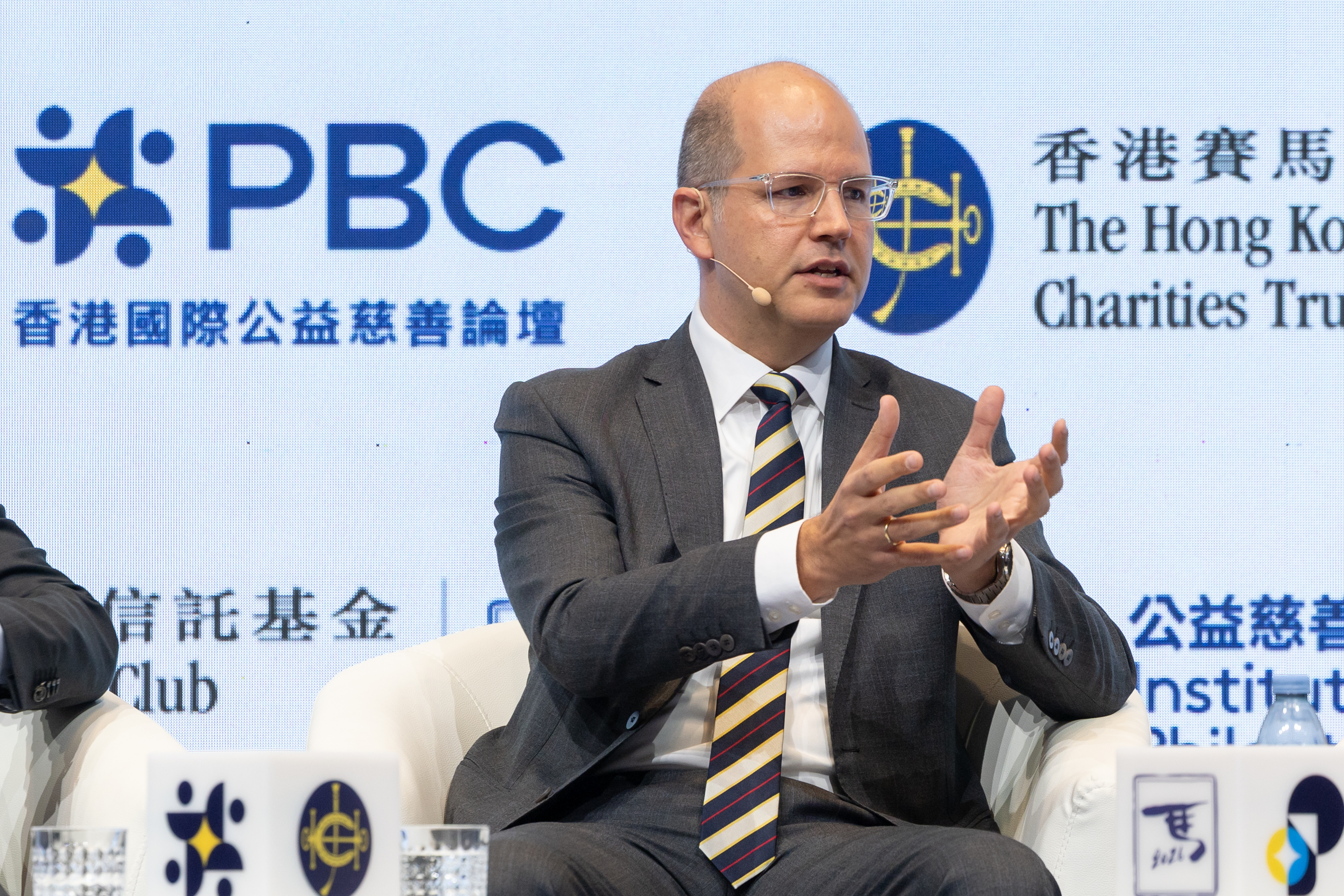
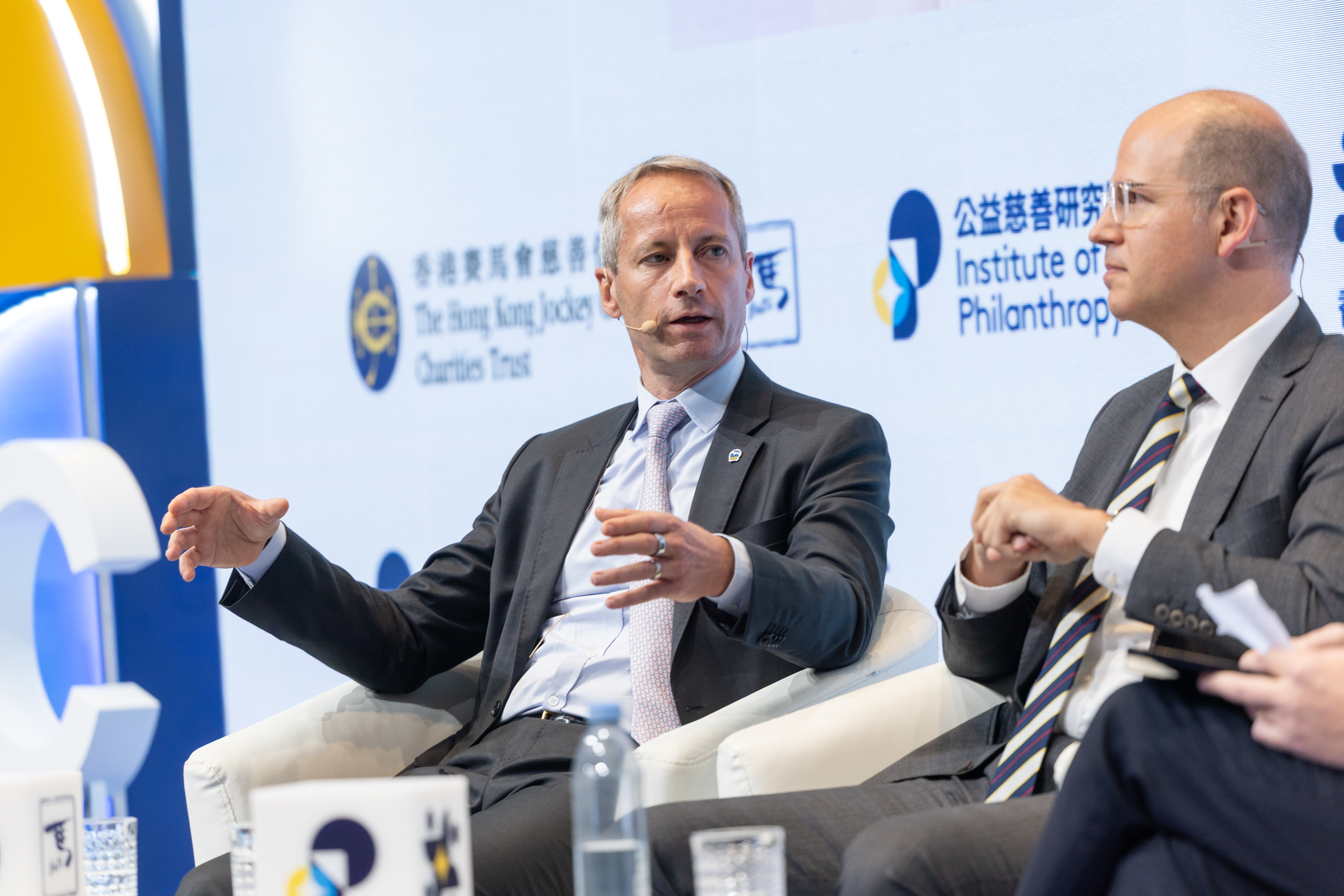
Andreas Zagklis explained that FIBA’s mission has evolved from standardising the rules and organising major competitions to making social development a central pillar of its work. Through the FIBA Foundation’s “Basketball for Good” initiatives, basketball supports inclusion, gender equality, child protection and community development. Zagklis argued that effective programmes depend first on know-how and good governance, rather than funding alone. He also challenged the tendency of governments and sporting bodies to define success primarily through medals, calling instead for measures that capture community participation and long-term social impact. Technology, he suggested, could help organisations understand how facilities – particularly outdoor courts – are actually used.
Axel Schweitzer described ALBA BERLIN’s transformation from a professional basketball club into an institution embedded within schools and neighbourhoods. Rather than measuring success only by match results, the club aims to remain socially relevant for generations. Its value lies in being a partner to schools, a meeting point for communities, a source of role models and a pathway for young people to develop their potential. Schweitzer acknowledged that sustaining this commitment requires patience and conviction, particularly when resources invested in community programmes could instead be spent on players and immediate sporting success.
Both speakers stressed that successful models cannot simply be copied from one market to another. Programmes should reflect local cultures and needs, begin early, reach children where they already are and invest in capable local coaches and youth leaders. Schweitzer’s experience in Hong Kong demonstrated the importance of combining grassroots participation with aspirational professional teams that give young people a visible “north star”. Zagklis similarly highlighted FIBA’s work to educate and micro-finance youth leaders, allowing communities to design initiatives responsive to their own circumstances.
The discussion also considered how philanthropic and civic partners can become involved. Zagklis outlined FIBA’s co-financing approach, under which the federation contributes expertise, equipment and funding alongside local stakeholders instead of simply issuing grants. This shared ownership helps preserve accountability and ensures that investment translates into genuine benefits for participants.
The session closed on the point that no single institution can – or should try to – control the entire system. Lasting impact requires clear governance, empowered local actors and collaboration among clubs, federations, schools, governments, NGOs and funders. With sustained investment and locally adapted delivery, sport can foster inclusion, resilience, leadership and social mobility while changing individual lives.