
 About PBC
The Evolving Role of Philanthropy in Social Services
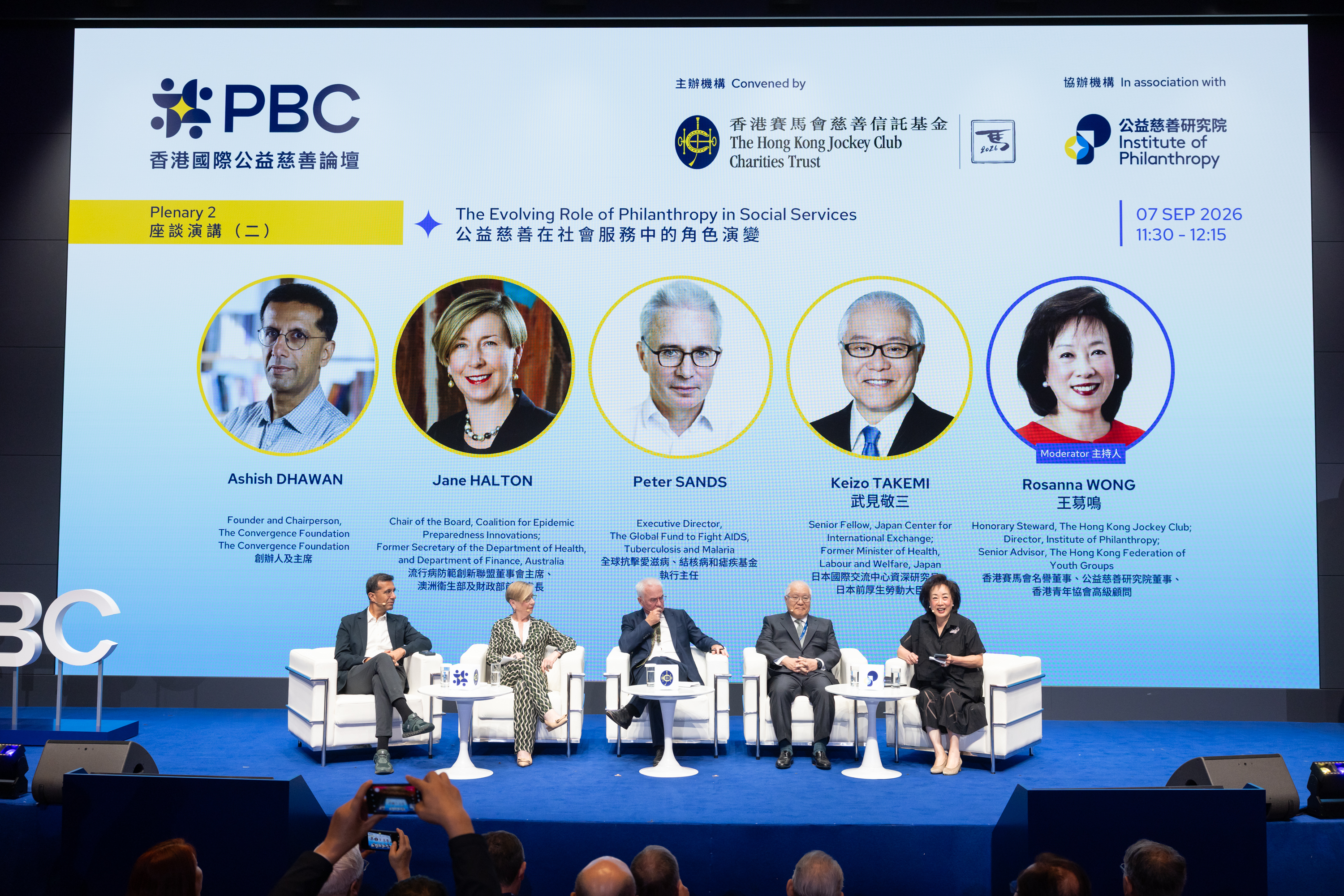
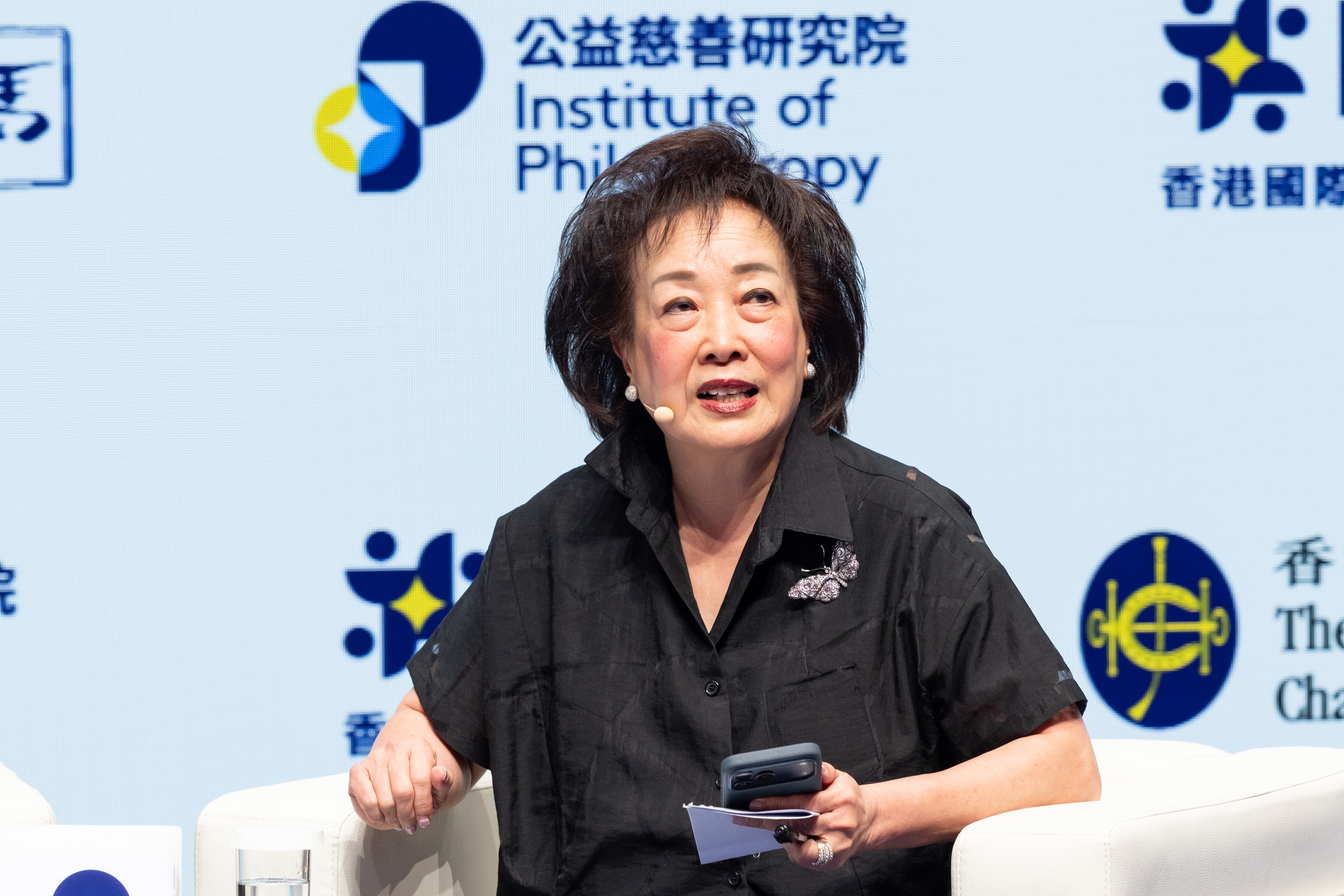
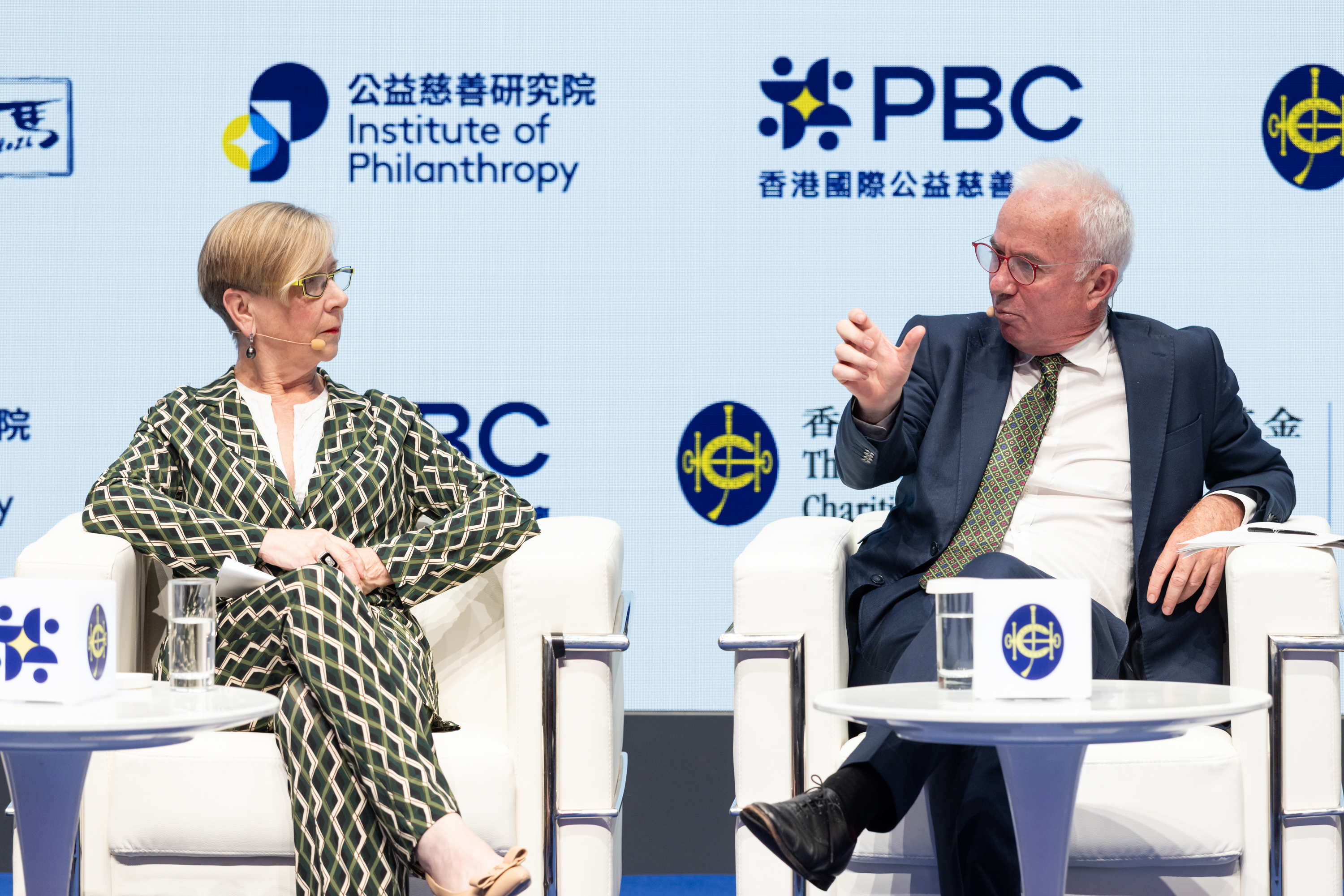
The session considered the evolving role of philanthropy in responding to increasingly complex social needs and how its distinctive strengths can complement governments and public systems. Moderator Rosanna Wong highlighted mounting pressure on social services and the need for effective collaboration among governments, philanthropists and the private sector. Drawing on their experience in global health and institution building, the panellists considered how philanthropy can take thoughtful risks, support innovation and build partnerships.
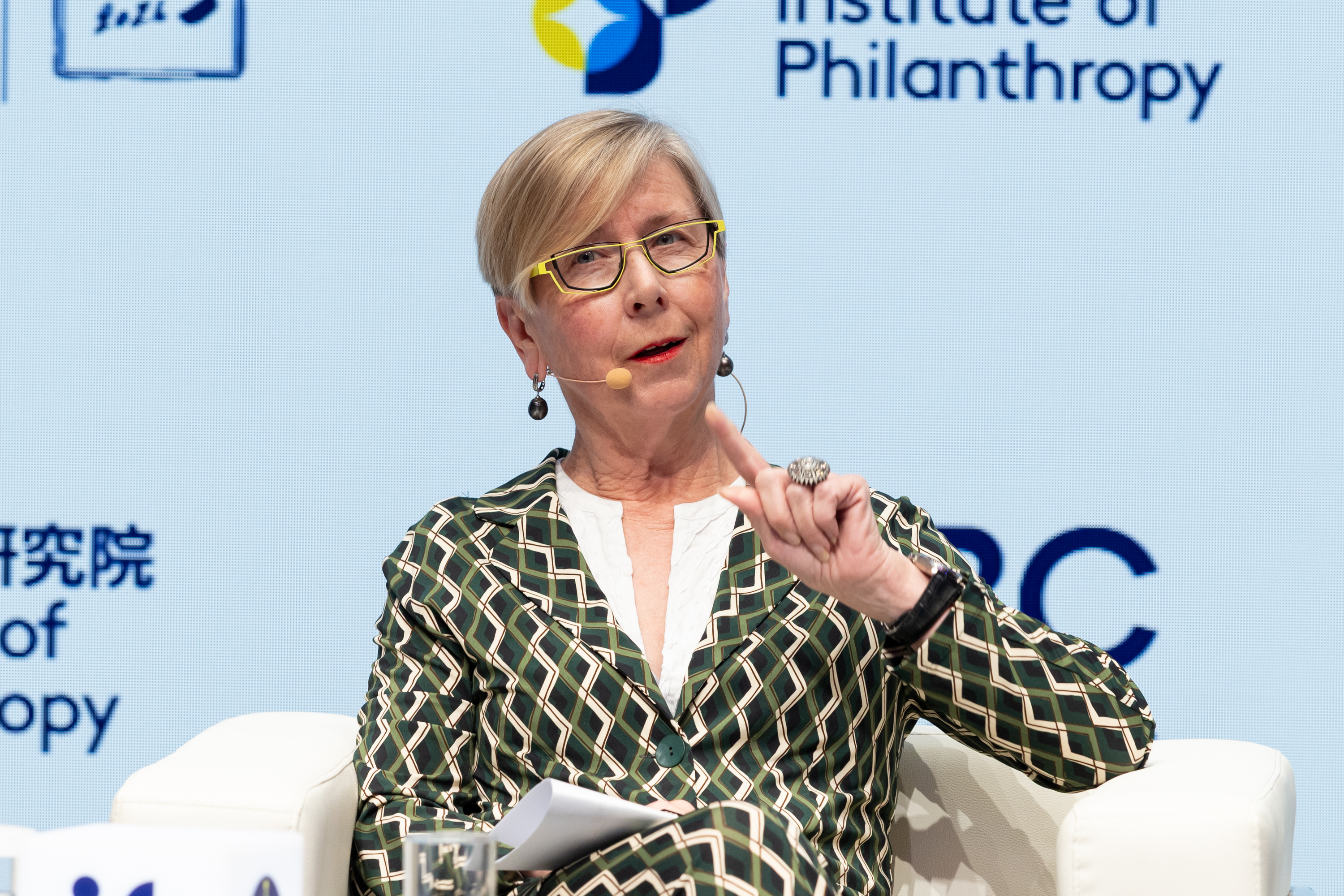
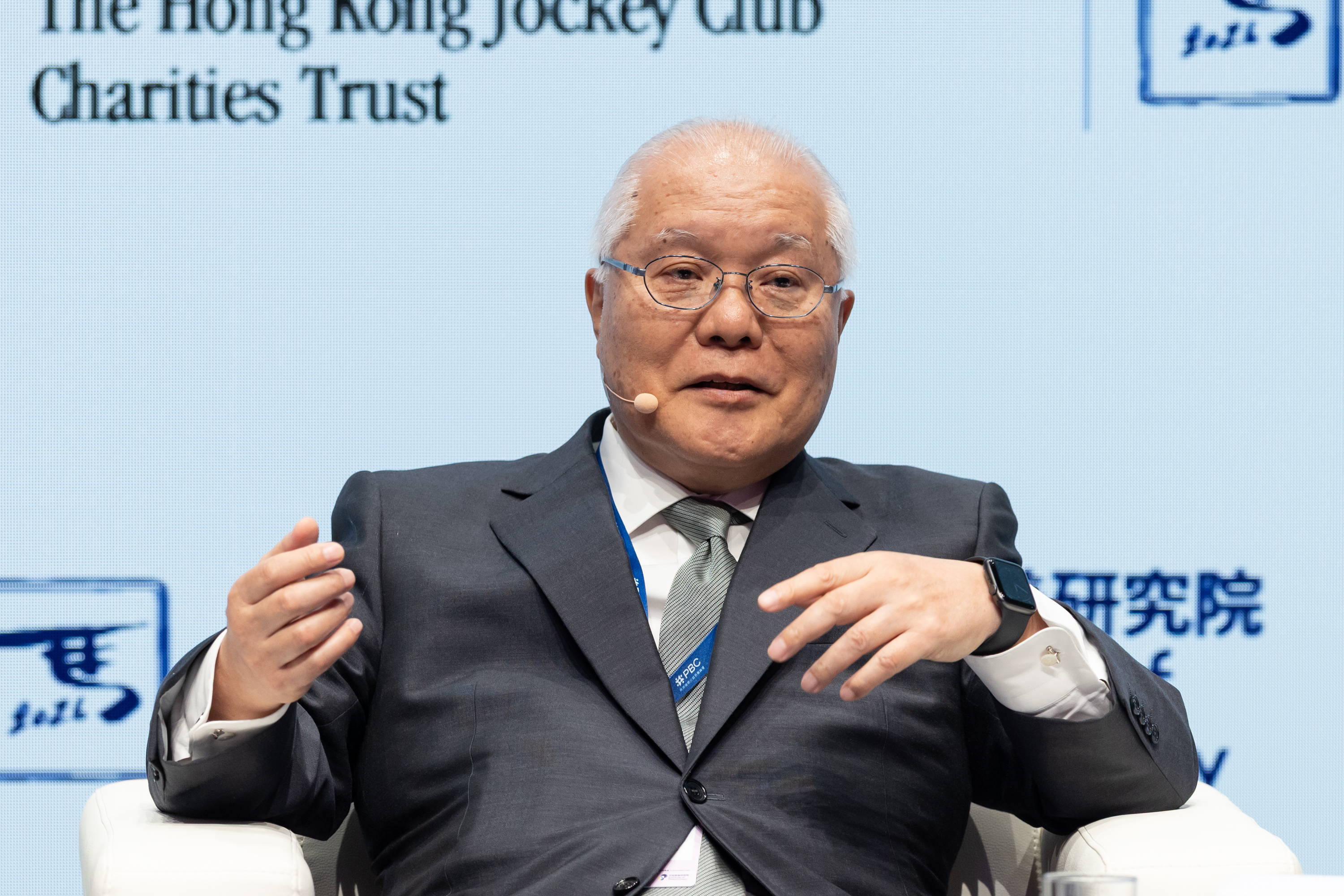
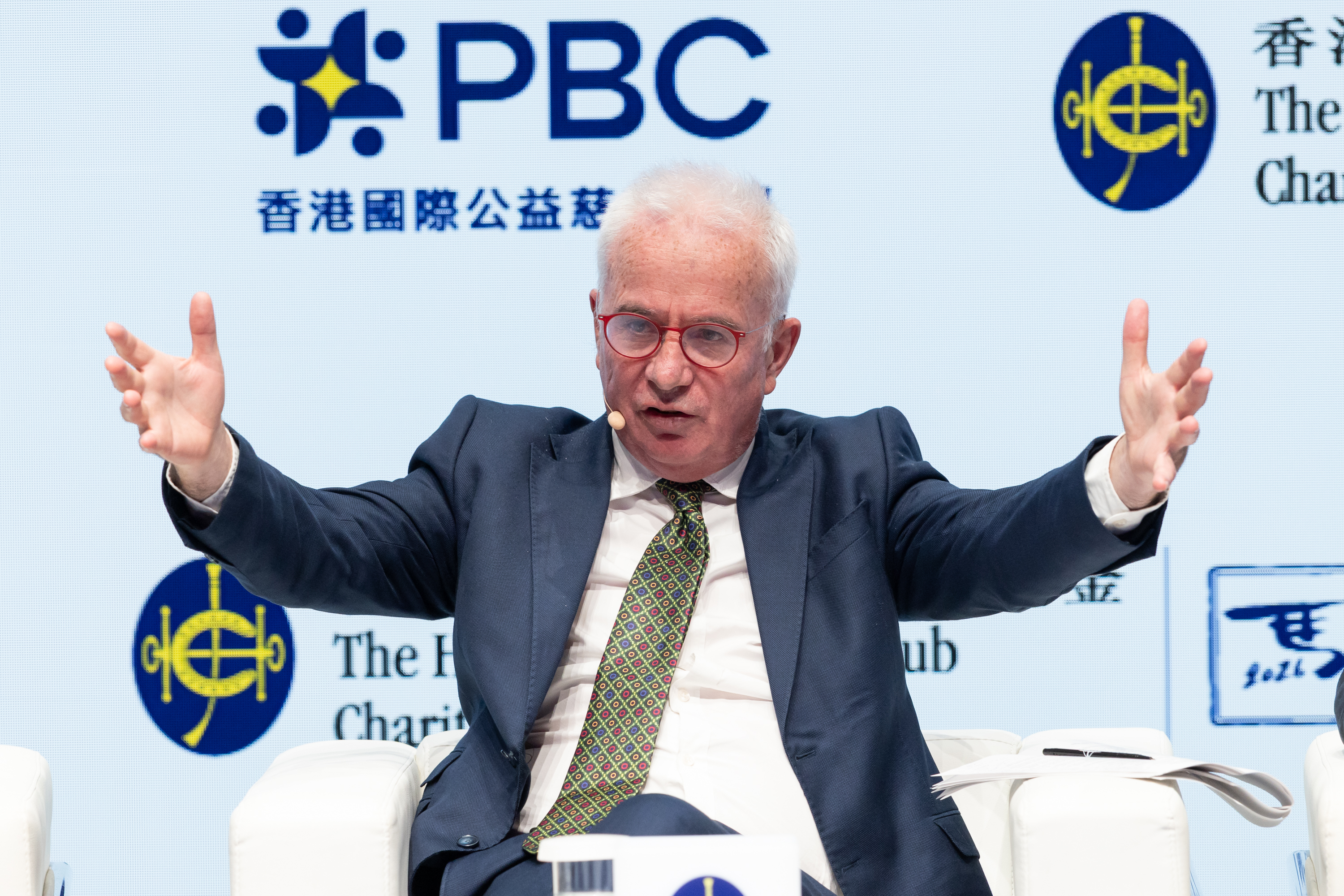
Peter Sands argued that philanthropy’s higher tolerance for risk can help accelerate action where public funding is uncertain or slow to move. He cited the Global Fund’s rollout of a new long-acting HIV prevention tool in Africa, where philanthropic backing helped sustain momentum at a critical stage. More broadly, he suggested that philanthropy can play a catalytic role by mobilising public resources and helping promising interventions gain traction through government systems. Jane Halton believed that philanthropy made it possible to listen to people in the community, and draw on private-sector capabilities in delivery, resource mobilisation and data. Keizo Takemi likewise noted that philanthropy can help close financing gaps in addressing persistent global challenges such as infectious disease, alongside effective global health governance and public-private collaboration.
The discussion also explored the promise and difficulty of cross-sector collaboration. Jane Halton stressed that effective partnerships depend on shared goals, clear accountability and practical ways to manage shifts in priorities over time. Ashish Dhawan acknowledged the challenge of working with governments, where personnel and policy priorities can change. Even so, he argued that engagement with public systems remains essential because only government can provide the reach and scale needed for sustained impact. He also reflected on philanthropy in Asia, where more recent wealth creation gives many philanthropists the chance to start giving earlier and take a more active role in addressing current social challenges.
The panellists further considered how demographic change is reshaping social needs across Asia. Rapid ageing, for example, has become a shared regional challenge. Drawing on Japan’s experience, Takemi noted that an ageing population has brought social isolation into sharper focus. Halton added that demographic shifts are also changing patterns of work and care, underlining the importance for deeper engagement with local contexts and changing needs and expectations.
The panel returned to a common theme: philanthropy’s value lies less in acting alone than in helping others move further and faster. Lasting social impact, they argued, will depend on deeper listening, shared learning and stronger partnerships that can turn philanthropic initiative into inclusive and accountable change.