
 About PBC
The New Growth Agenda: Philanthropy's Role in Expanding Opportunity for All
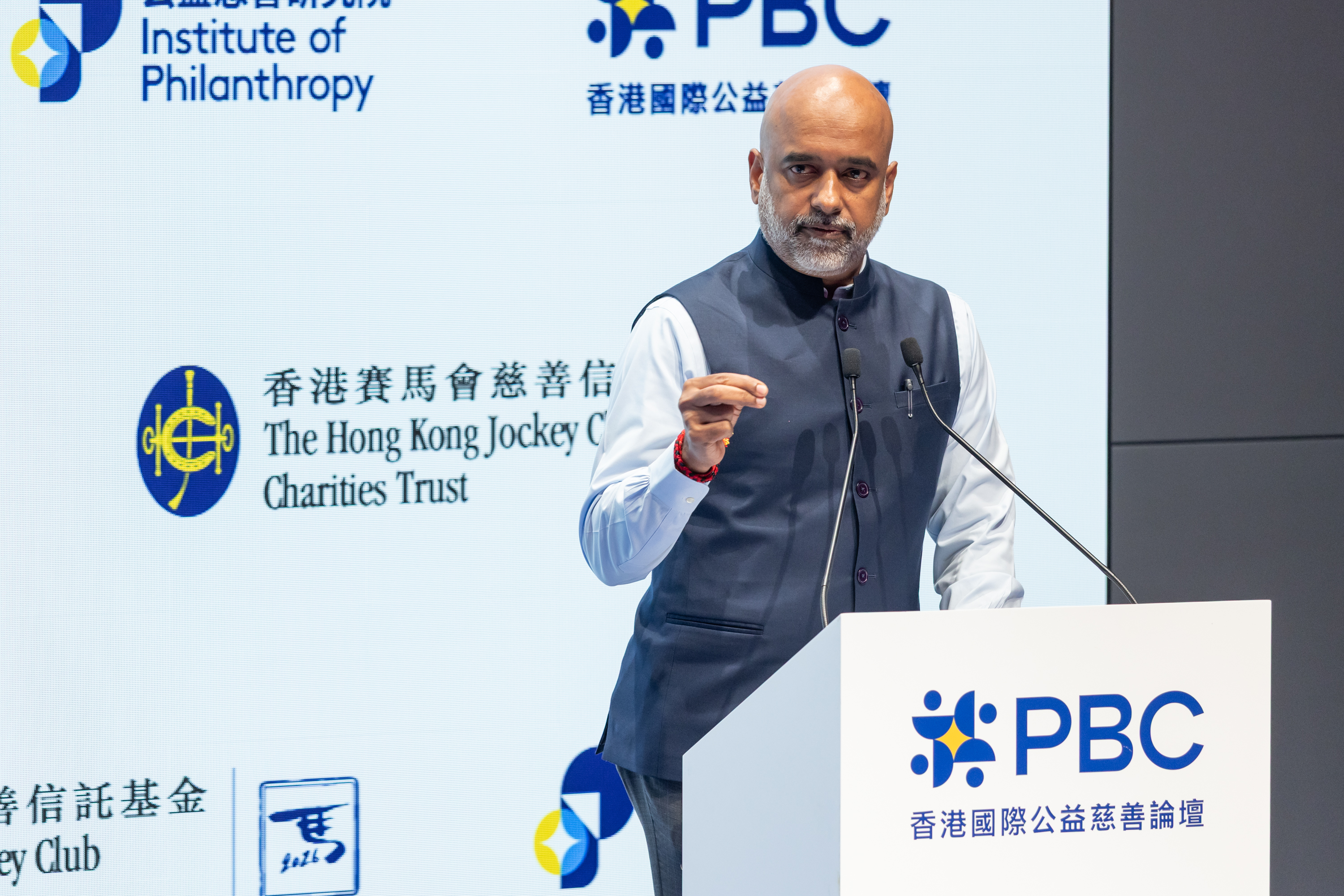
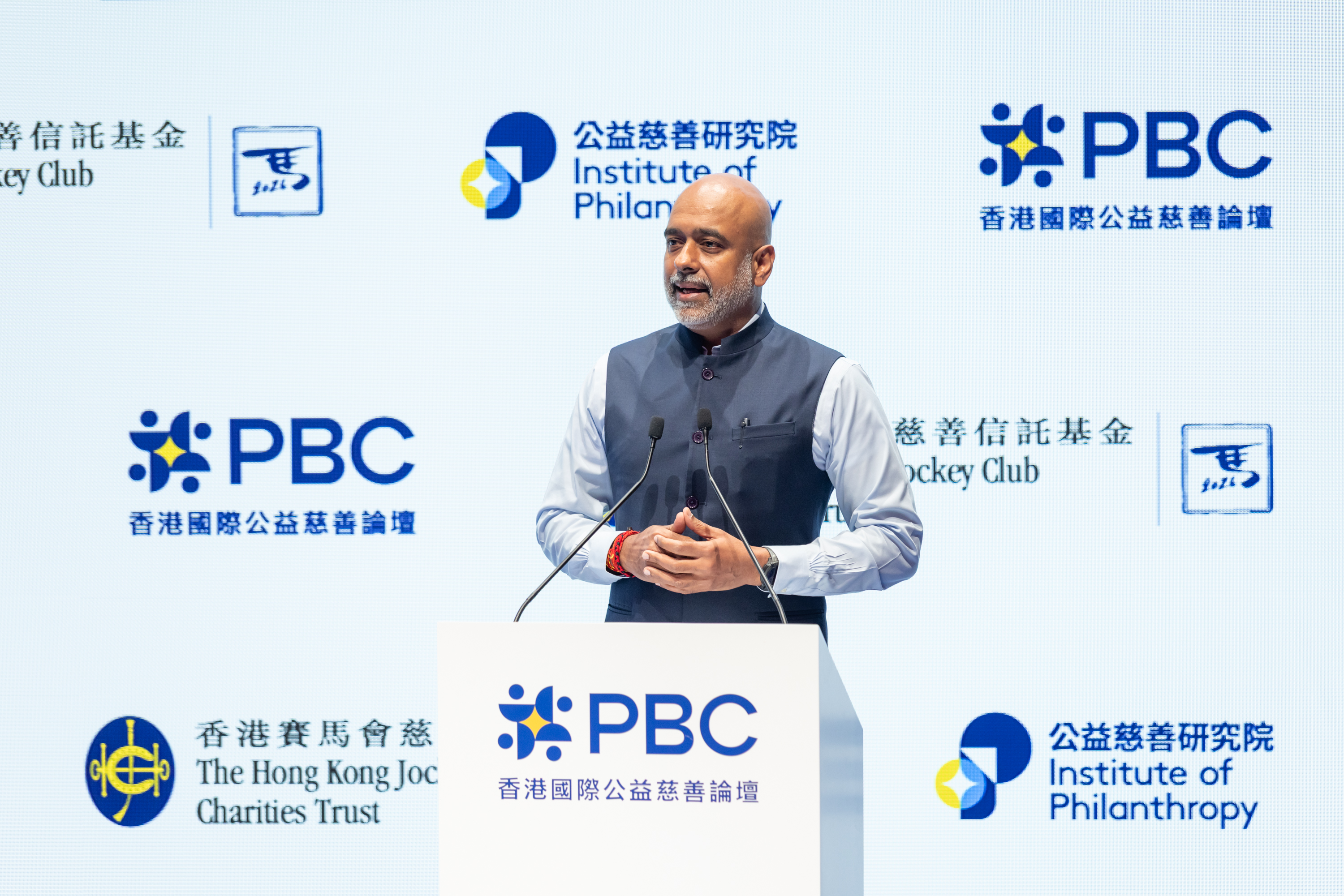
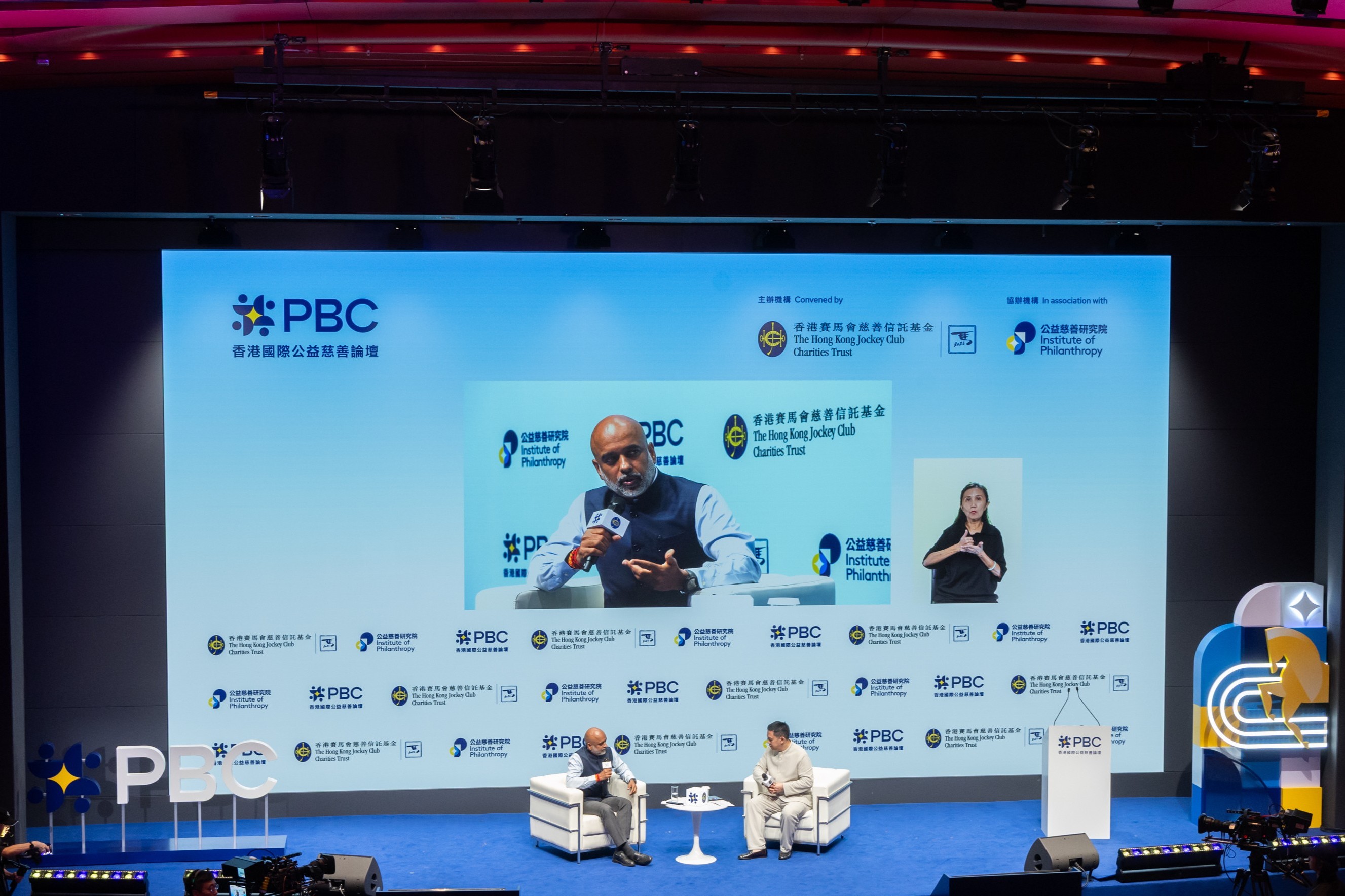
In his keynote, Hari Menon discussed philanthropy’s role in promoting inclusive economic growth. Recalling a recent visit to Ethiopia, he described how women smallholder farmers often remain invisible to formal financial systems because their land ownership, transactions and economic activity are not adequately recorded. Financial institutions therefore struggle to assess the risks of lending to them or to recognise their economic potential. Inclusion, he stressed, does not happen by accident: it must be deliberately designed, financed and implemented at scale.
Although governments and markets are the main drivers of development, both face limitations. Governments may be reluctant to use public funds for unproven interventions, while businesses usually enter only when they can see a viable market. Philanthropy can bridge this gap by serving as risk capital: testing new approaches, building evidence and removing obstacles so that governments, businesses or community organisations can take ownership and expand successful models.
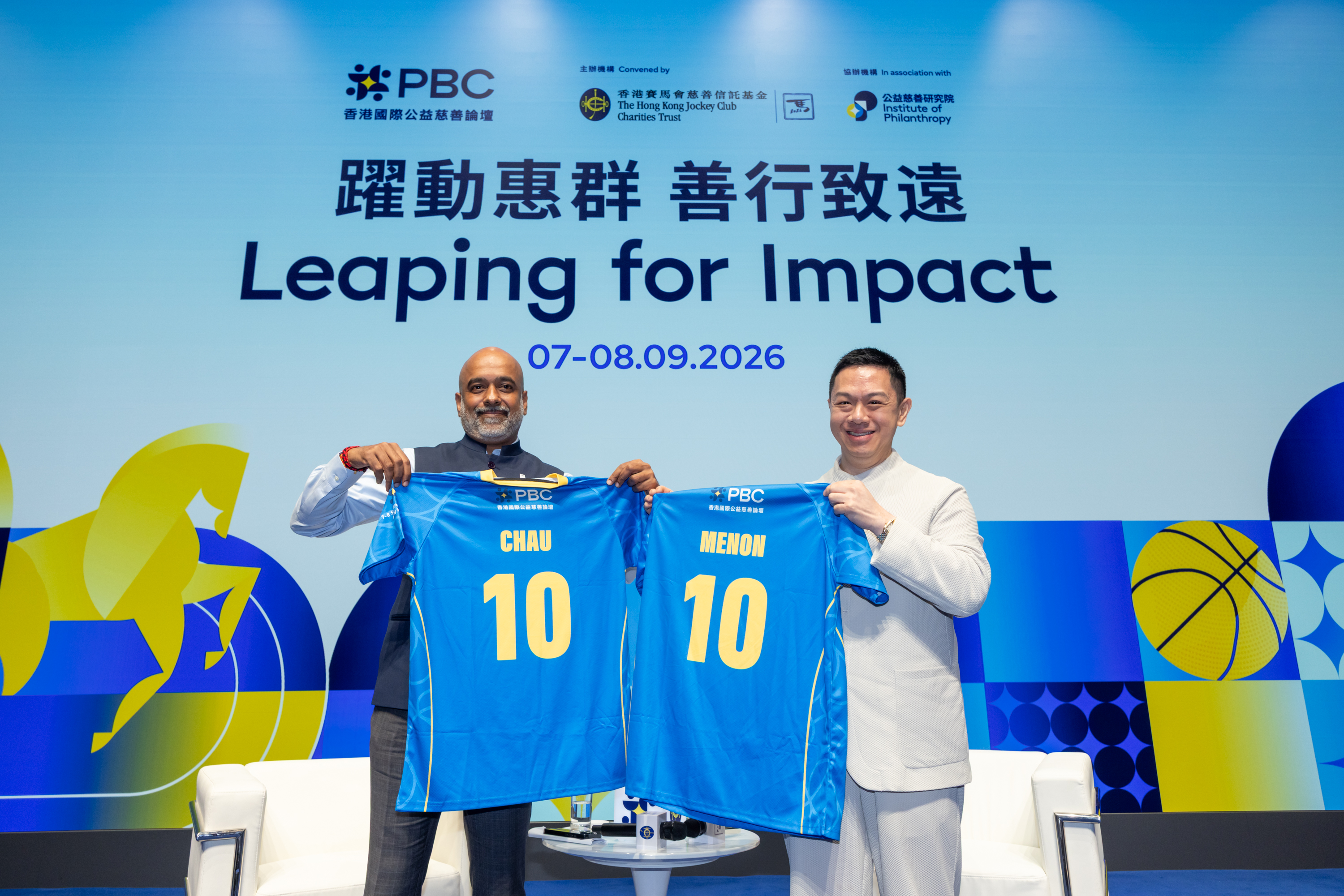
Menon organised his approach around four lessons from sport. The first, “embrace home-field advantage”, means developing solutions that reflect local needs, knowledge and institutions. He highlighted an AI-enabled advisory service in Maharashtra that gives farmers verified, locally relevant information in their own languages. He also cited Ethiopia’s digital farmer registry, which connects demographic and land records with financial services, helping women farmers become more visible to lenders. Both examples combine global technologies with locally developed approaches.
The second lesson was to “keep score” by measuring meaningful results and shifting resources away from unsuccessful programmes. In education, for example, attention should move beyond school enrolment to whether children are acquiring the literacy and numeracy skills they need. His third lesson, “there is no I in team”, underscored the importance of partnership. Menon cited improved rice varieties such as Green Super Rice, developed through collaboration among the Chinese Academy of Agricultural Sciences, international agricultural institutions and other partners, as an example of how shared expertise can benefit farmers across Asia and Africa. His fourth lesson was to take on the issues that others would not. The Gates Foundation’s effort to reinvent the toilet showed why philanthropy should pursue uncertain projects when success could have wide-reaching benefits.
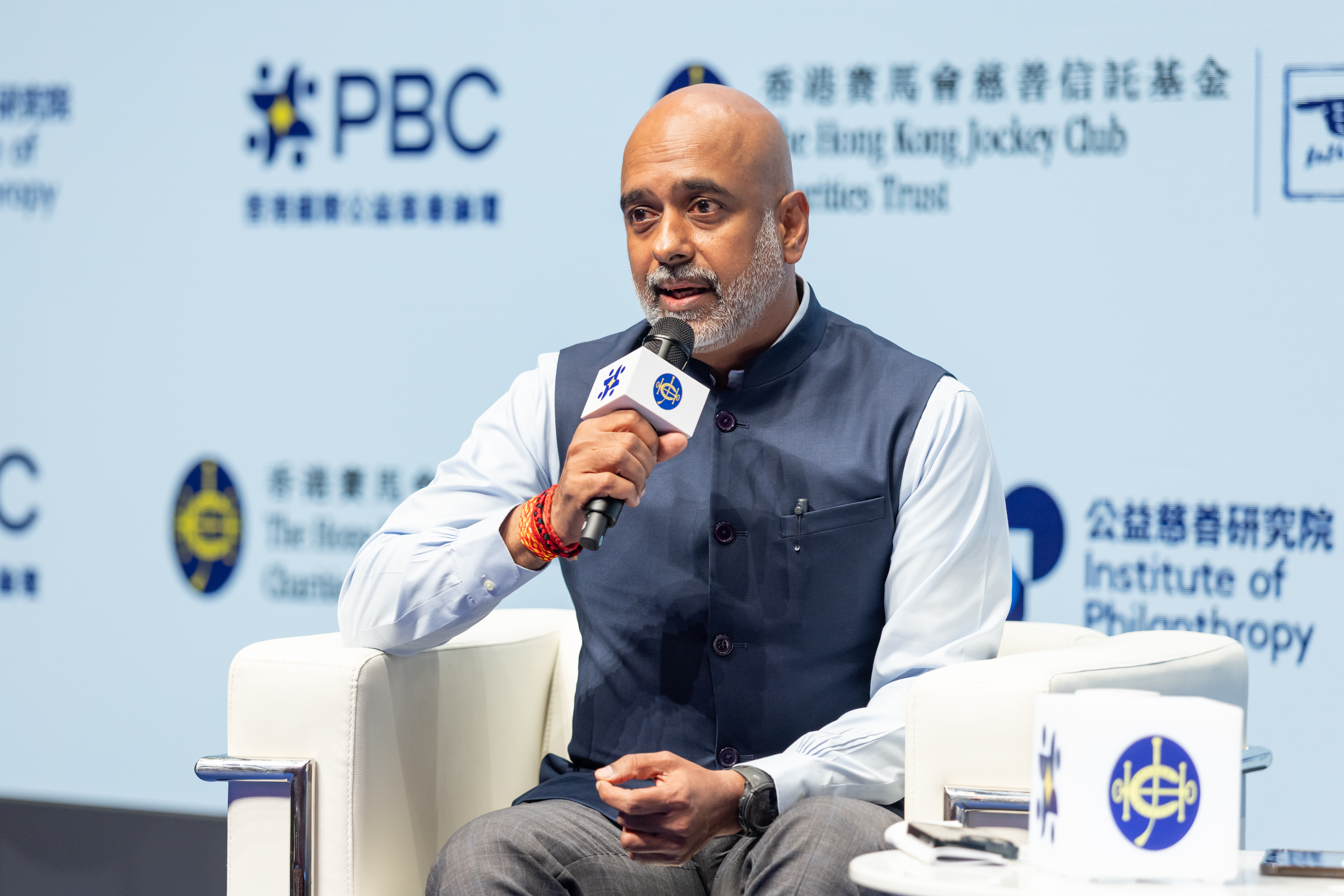
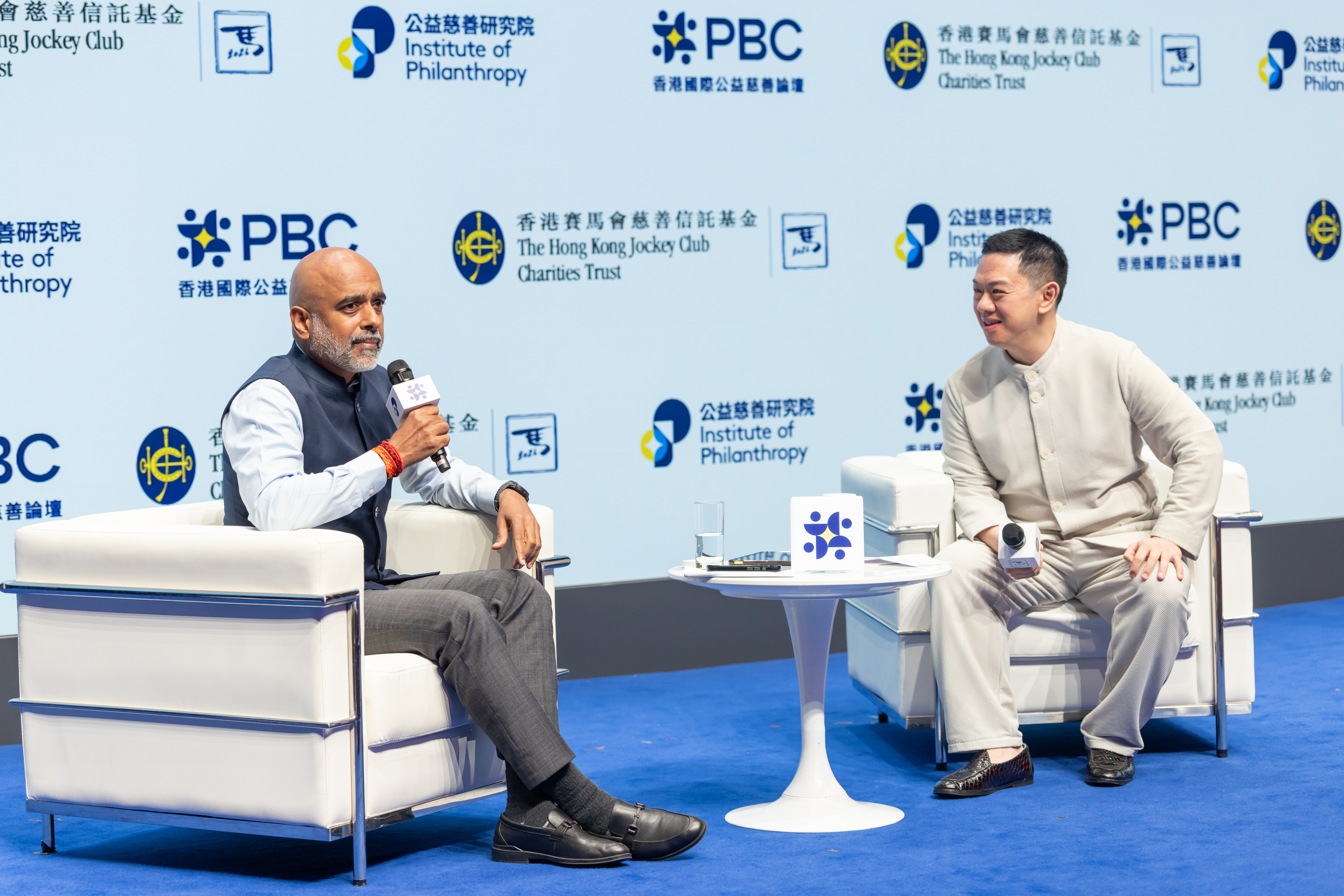
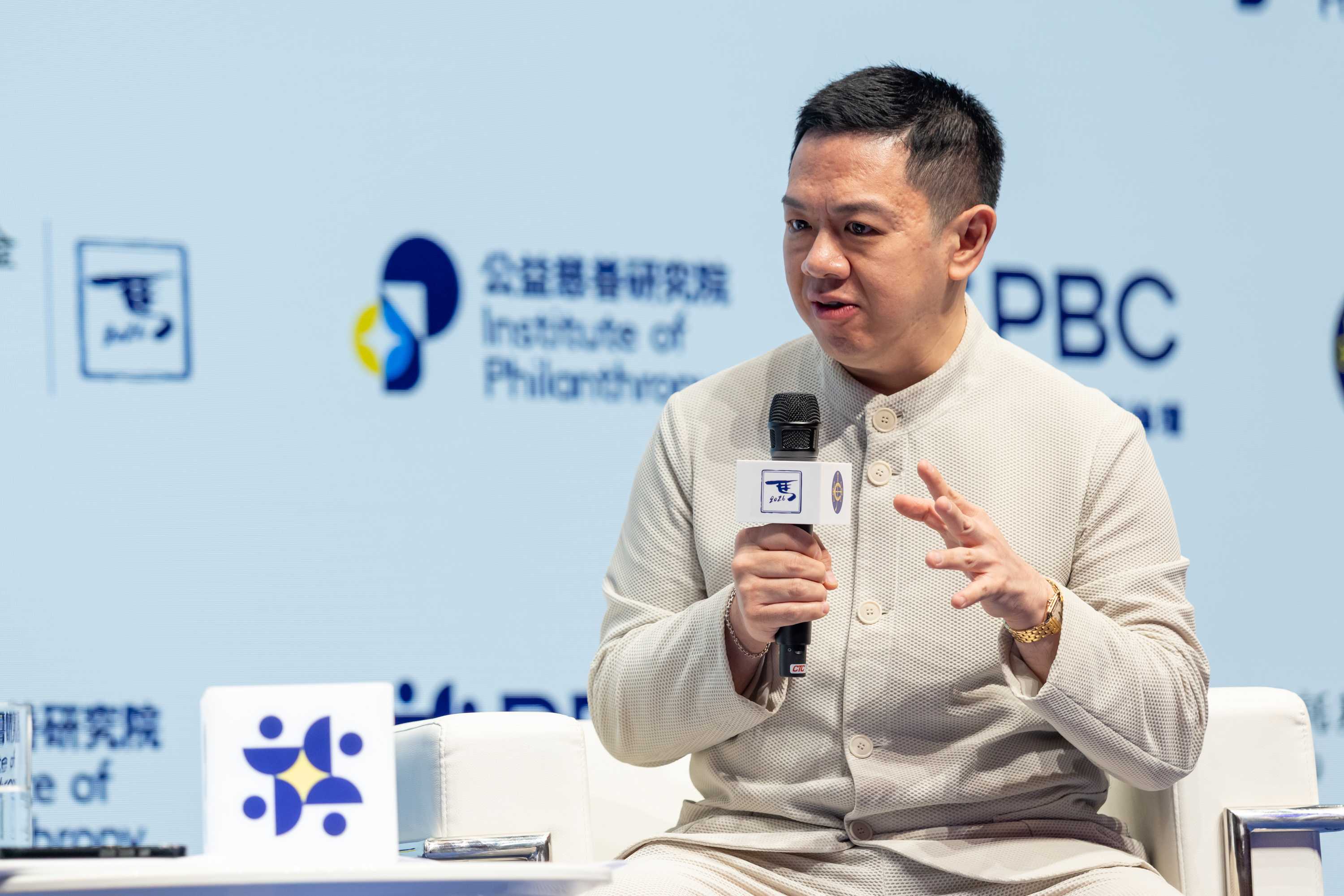
In his conversation with James Chau, Menon said Asian capital, ideas and innovation could play an increasingly significant role in the Global South. Successful partnerships, however, depend on transparency, formal commitments and respect for governments as the stewards of national development. Philanthropic organisations must test their assumptions in real-world conditions and be prepared to change course when an innovation is not adopted or does not scale.
Responding to audience questions, Menon warned against simply transplanting successful models from one country to another without considering the political and institutional conditions that made them possible. Solutions must be adapted and supported locally. He also identified digital platforms and inclusive AI as valuable tools for making underserved people more visible to markets. Ultimately, philanthropy’s impact lies in its ability to take risks, learn openly from failure and enable governments, businesses and communities to bring effective solutions to scale.