
 About PBC
Passing the Torch: From Athletes to Future Changemakers
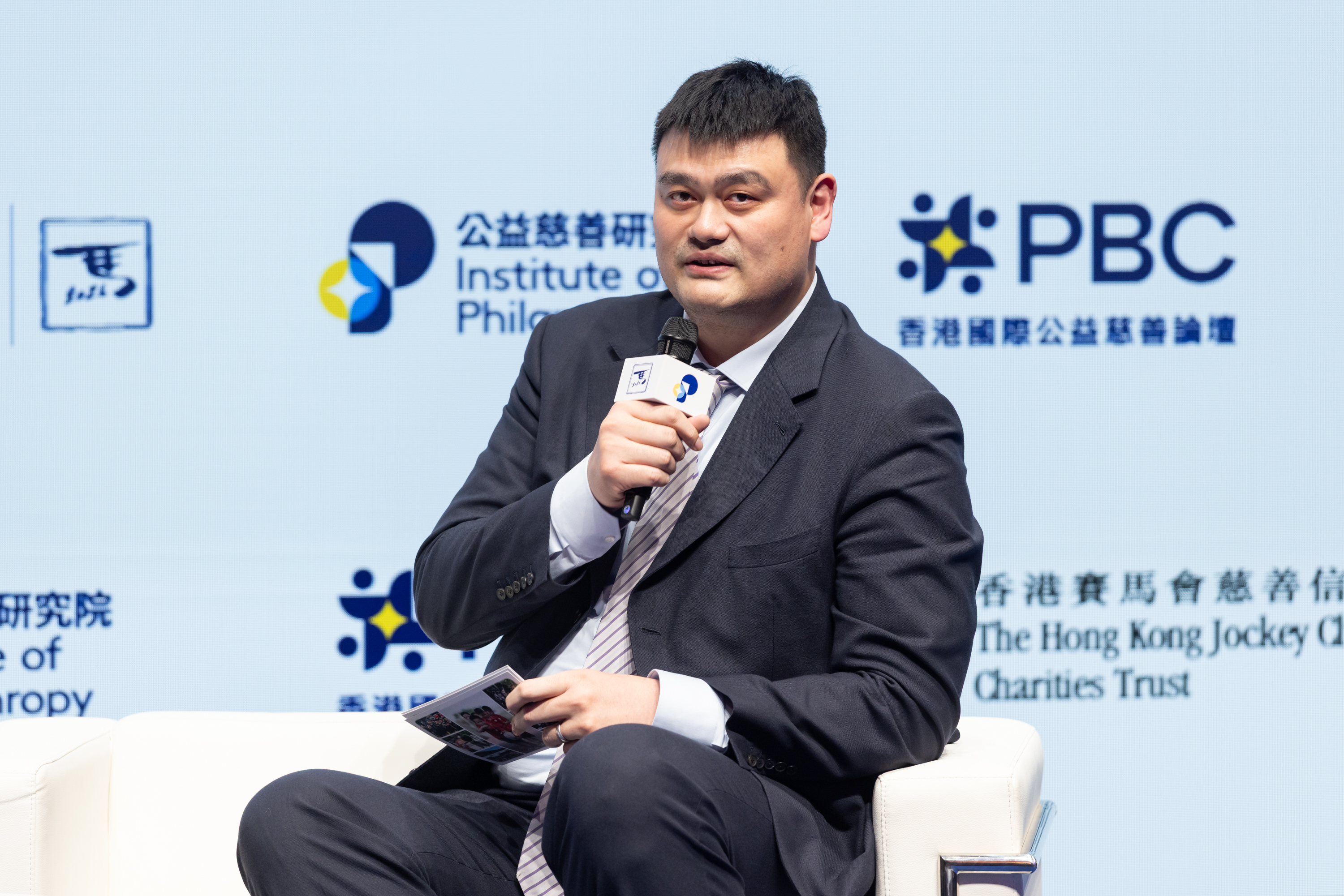
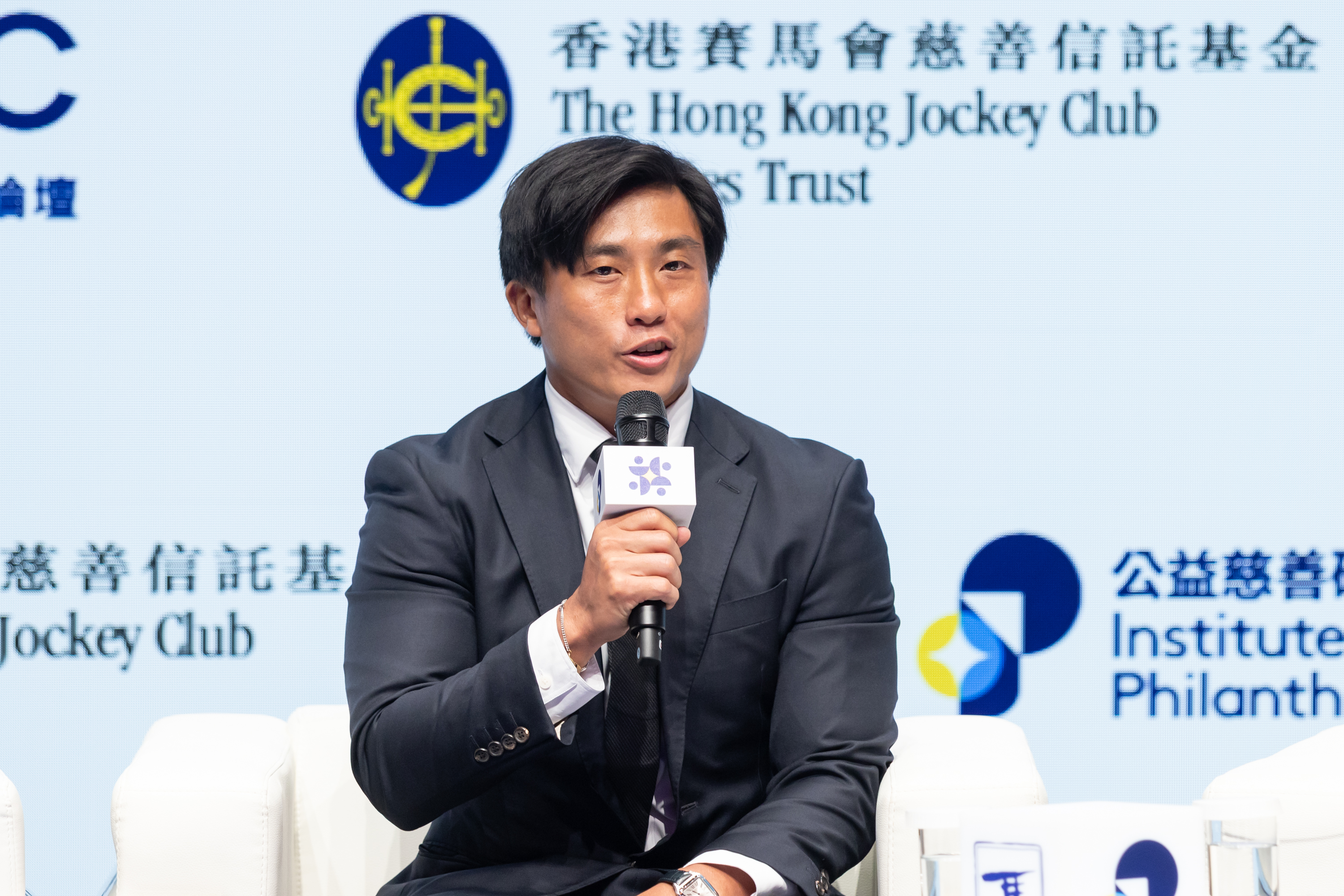
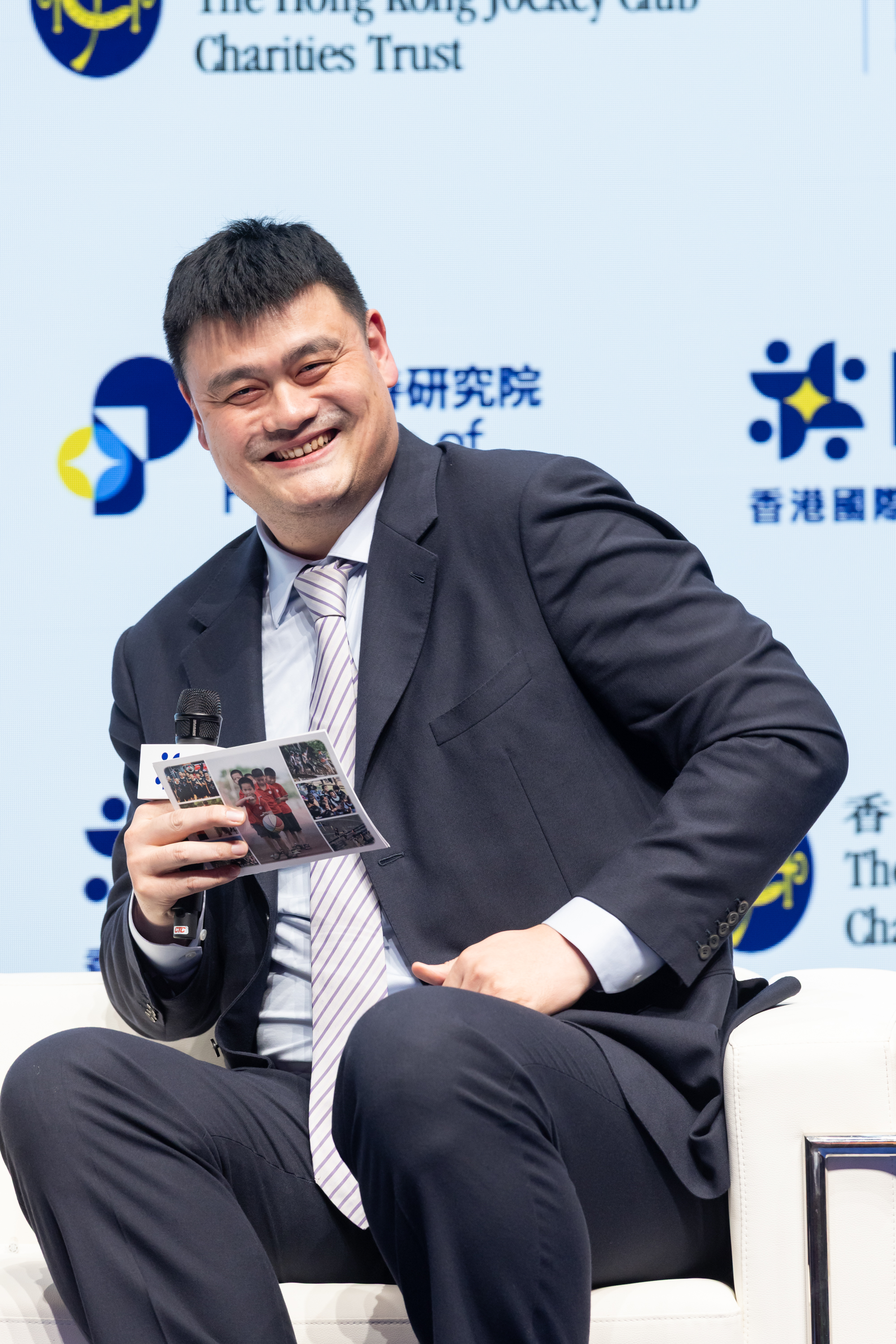
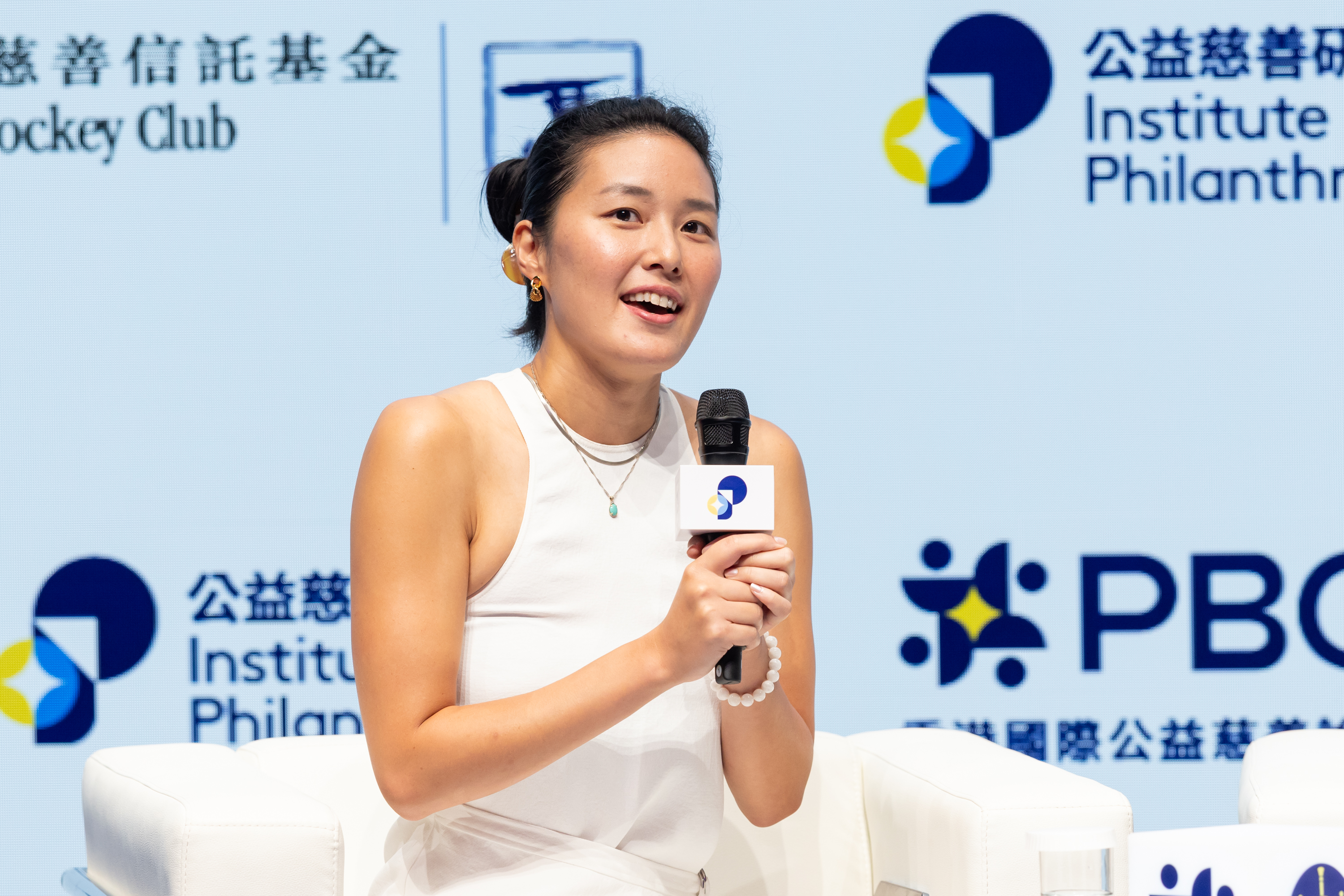
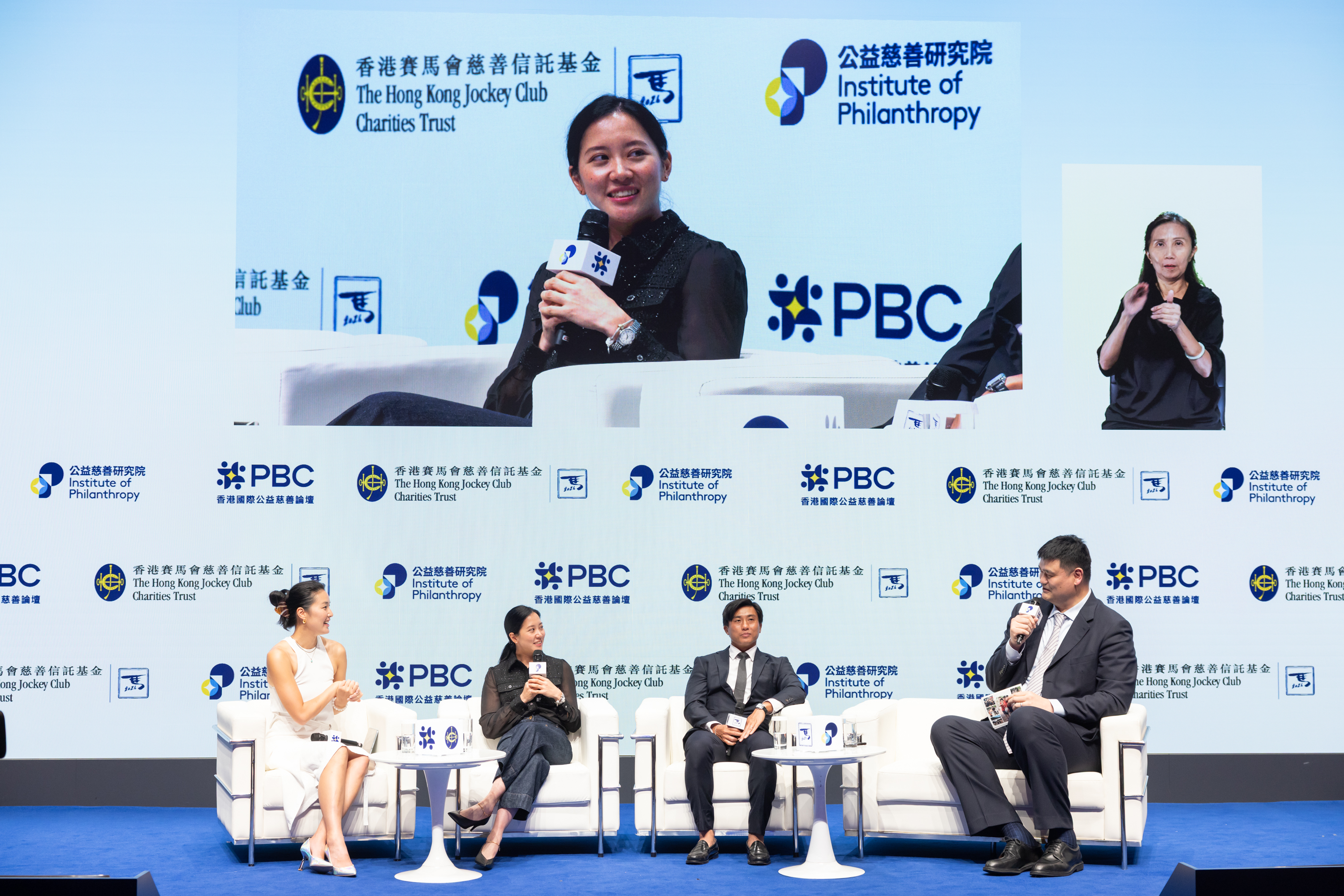
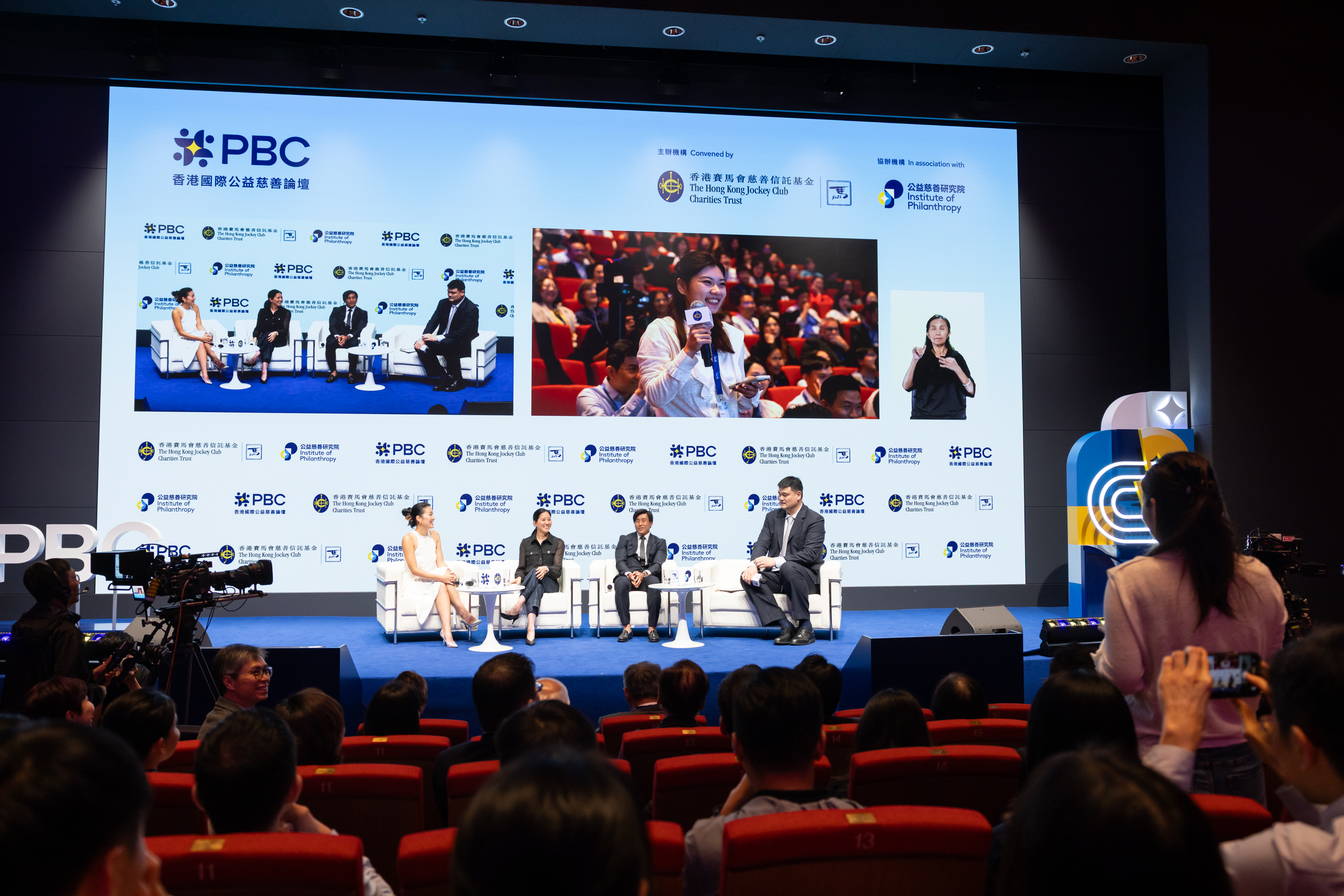
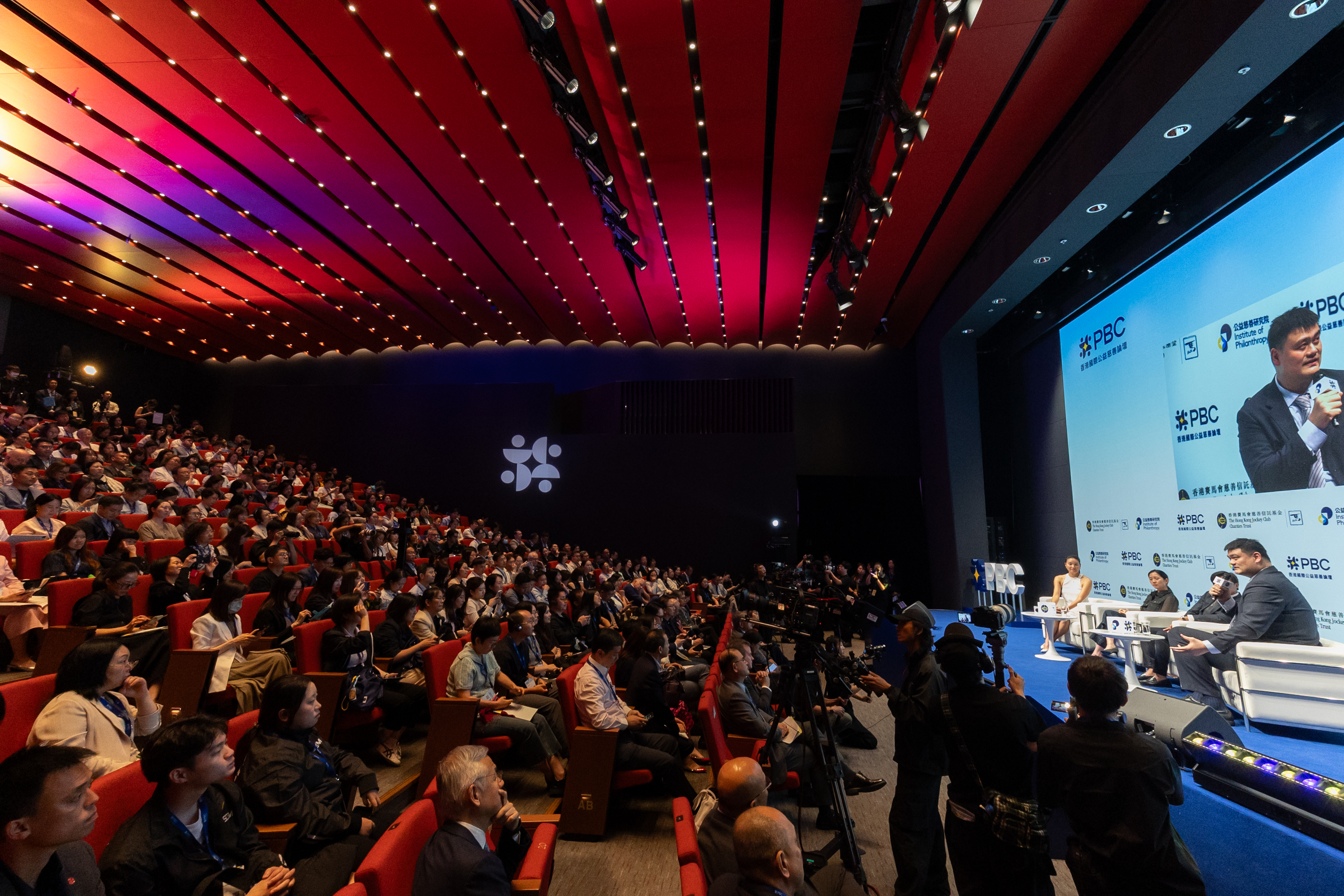
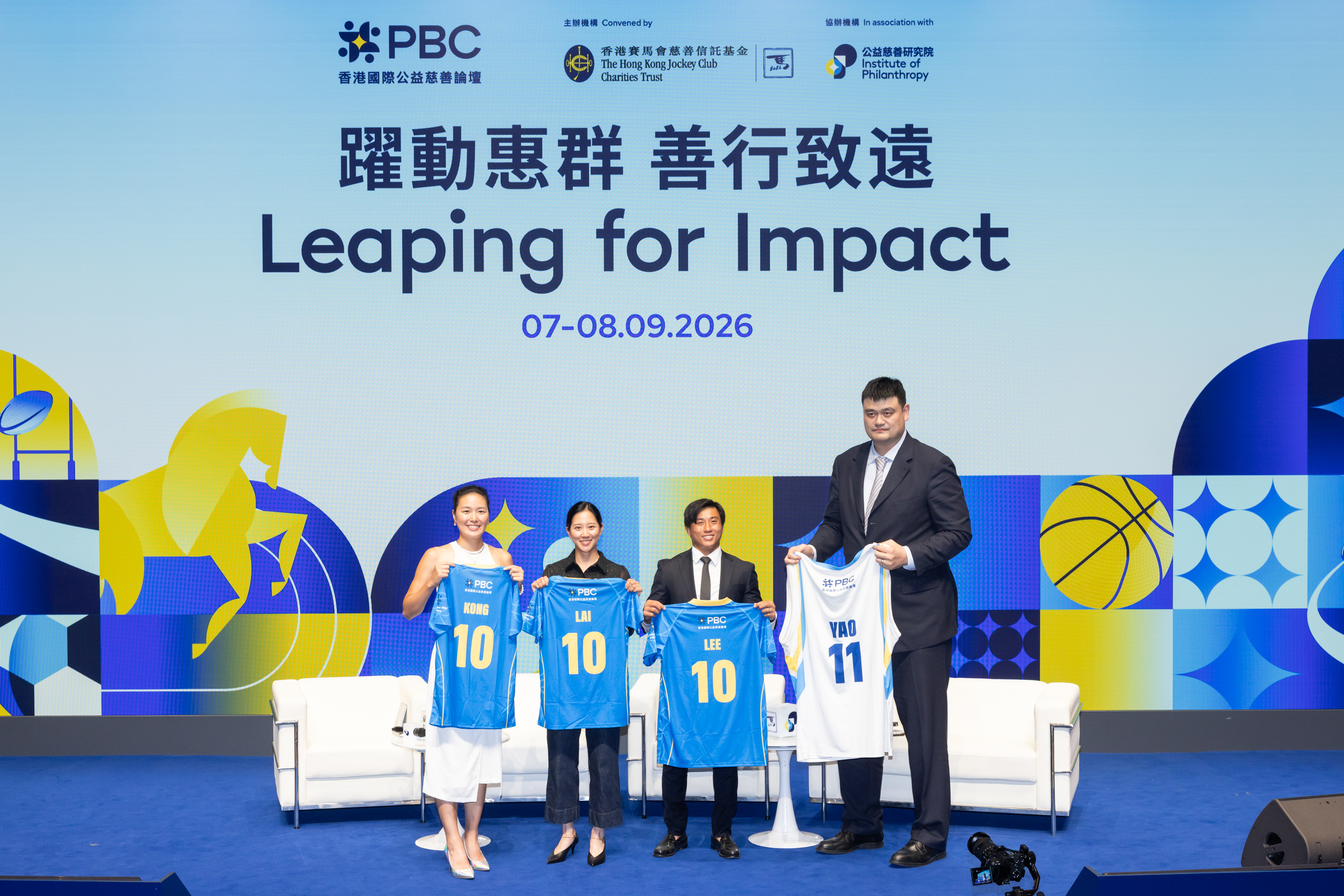
The session brought together former basketball star Yao Ming and three younger elite athletes – Cado Lee, Jacqueline Lai and Yvette Kong – to consider how sporting experience can shape leadership, mentorship and service beyond competition. Framed as an intergenerational exchange, the discussion explored how athletes can use their values, influence and public platforms to support the next generation.
The speakers began by reflecting on defining moments in their sporting lives. Lee recalled Hong Kong’s comeback win over Japan at the Asian Games, an achievement that he treasured because it showed what belief and resilience could achieve under pressure. Lai pointed to her fifth-place finish at the National Games after sixteen years in equestrian sport, describing it as a milestone shaped by injury, setbacks and personal growth. Kong remembered winning relay medals at the 2009 East Asian Games in Hong Kong, when the home crowd and intensity of the moment left a lasting impression. Yao chose a much earlier memory of a basketball game at the age of around nine, which was the first game he won with the team.
The discussion then turned to what sustains athletes over time. Lai spoke of the support of her mother, who had been a constant presence throughout her journey. Kong reflected on the importance of staying true to the younger self who first dreamed of reaching the Olympics. Lee stressed that success in rugby is shared, crediting teammates rather than individual achievement.
Asked what advice they would offer younger athletes, the panellists emphasised self-knowledge, patience and openness to learning. Lai encouraged curiosity and continuous improvement. Kong stressed the need to understand one’s own motivations and values. Lee underscored the need of constant listening to and understanding of young people’s voices.
Yao widened the discussion to philanthropy and responsibility beyond sport. Drawing on his own foundation’s support for school sports programmes in China, he described passing the torch as a two-way process in which younger generations are not only guided but also heard.
On what it means to become an elite athlete, Yao described this less as a formal label than as a mindset of commitment and hard work. Lee emphasised steady, incremental progress rather than fixation on results. Lai spoke about managing uncertainty in equestrian sport, where outcomes depend on many factors beyond the rider alone. Reflecting on limits and retirement, Kong observed that giving our best allows us to realise our fullest potential. While still at her peak, she followed her heart and shifted gears to pursue work in mental health, among other interests. Yao similarly reflected that if he was satisfied with the result and knew he had given his all, he could let go. For him, sport was not only about accomplishments, but also about experiences that left athletes fundamentally changed.
The discussion closed on the question of legacy. Across different sports and generations, the panellists suggested that athletes can lead not only through results, but through example, encouragement and the willingness to create paths for others.