
 About PBC
Reimagining Capital for the Greater Good: A New Market for SME Financing
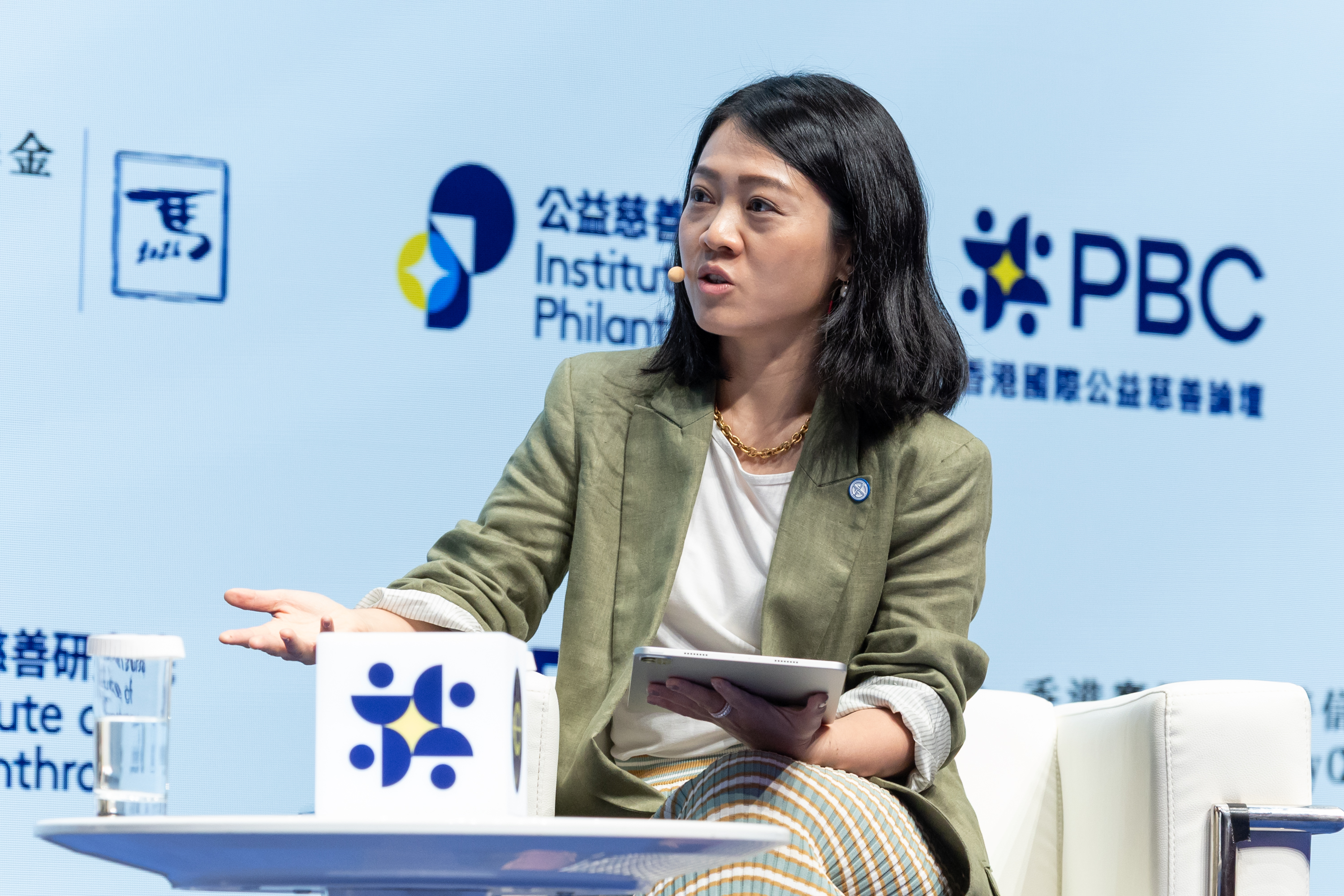
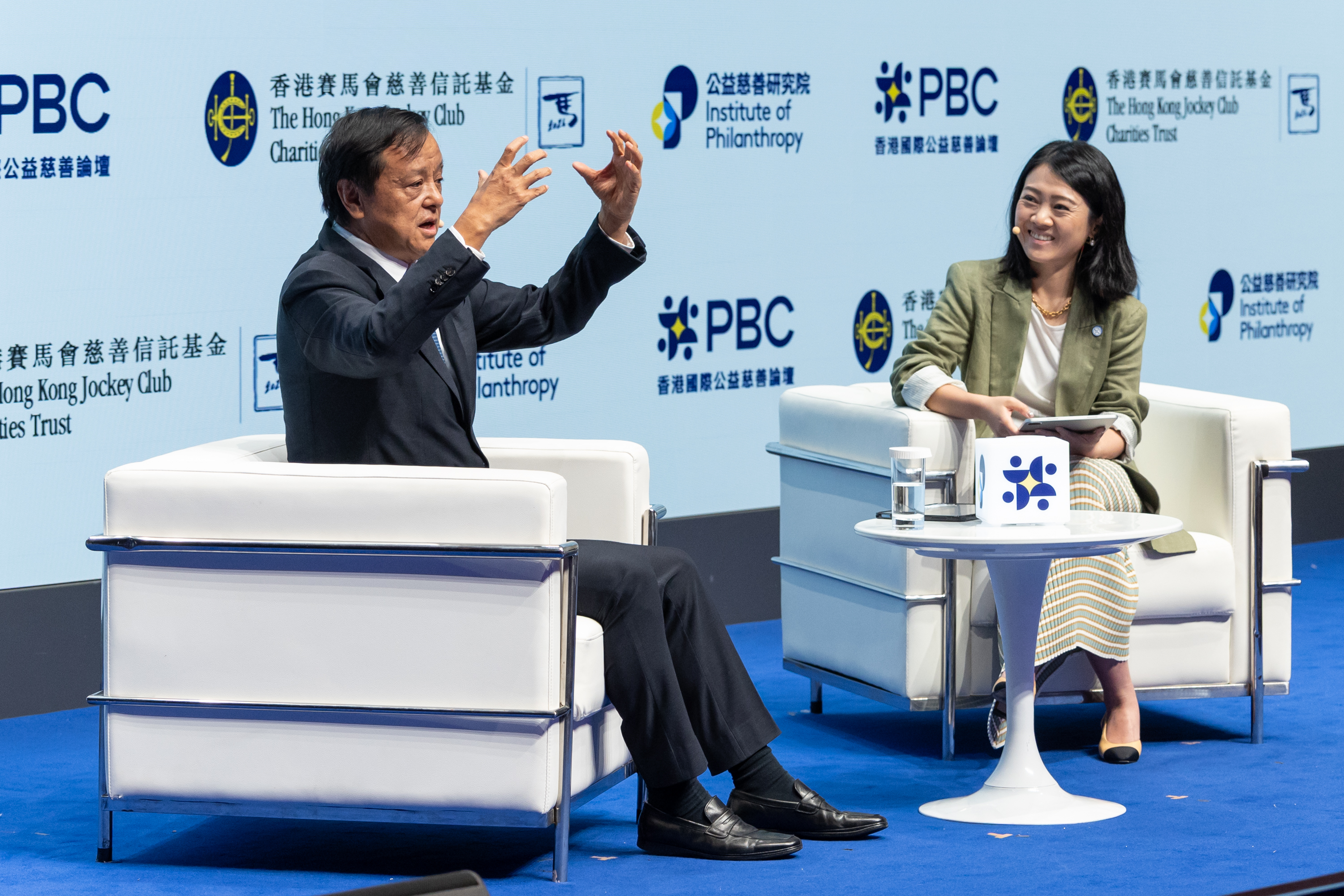
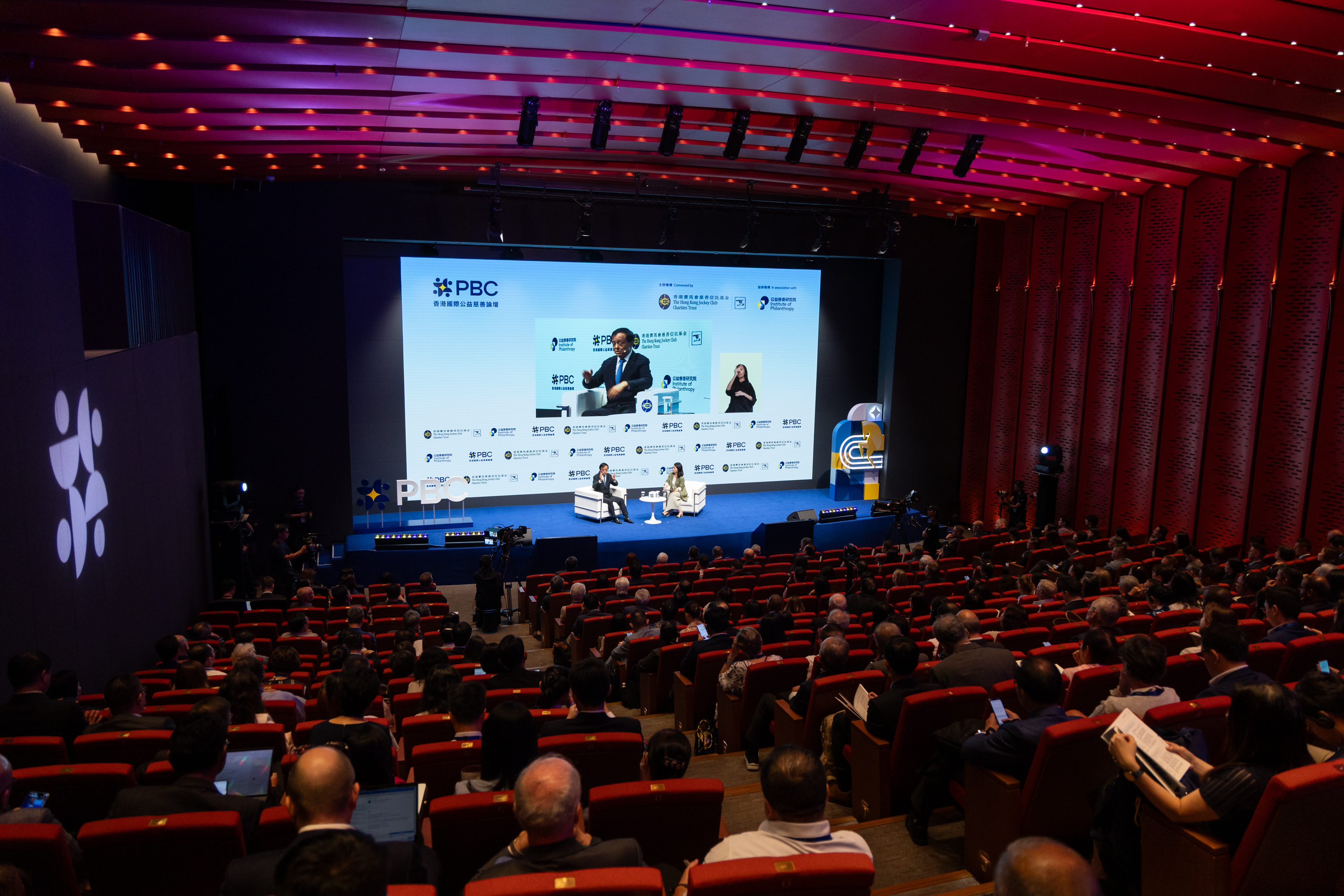
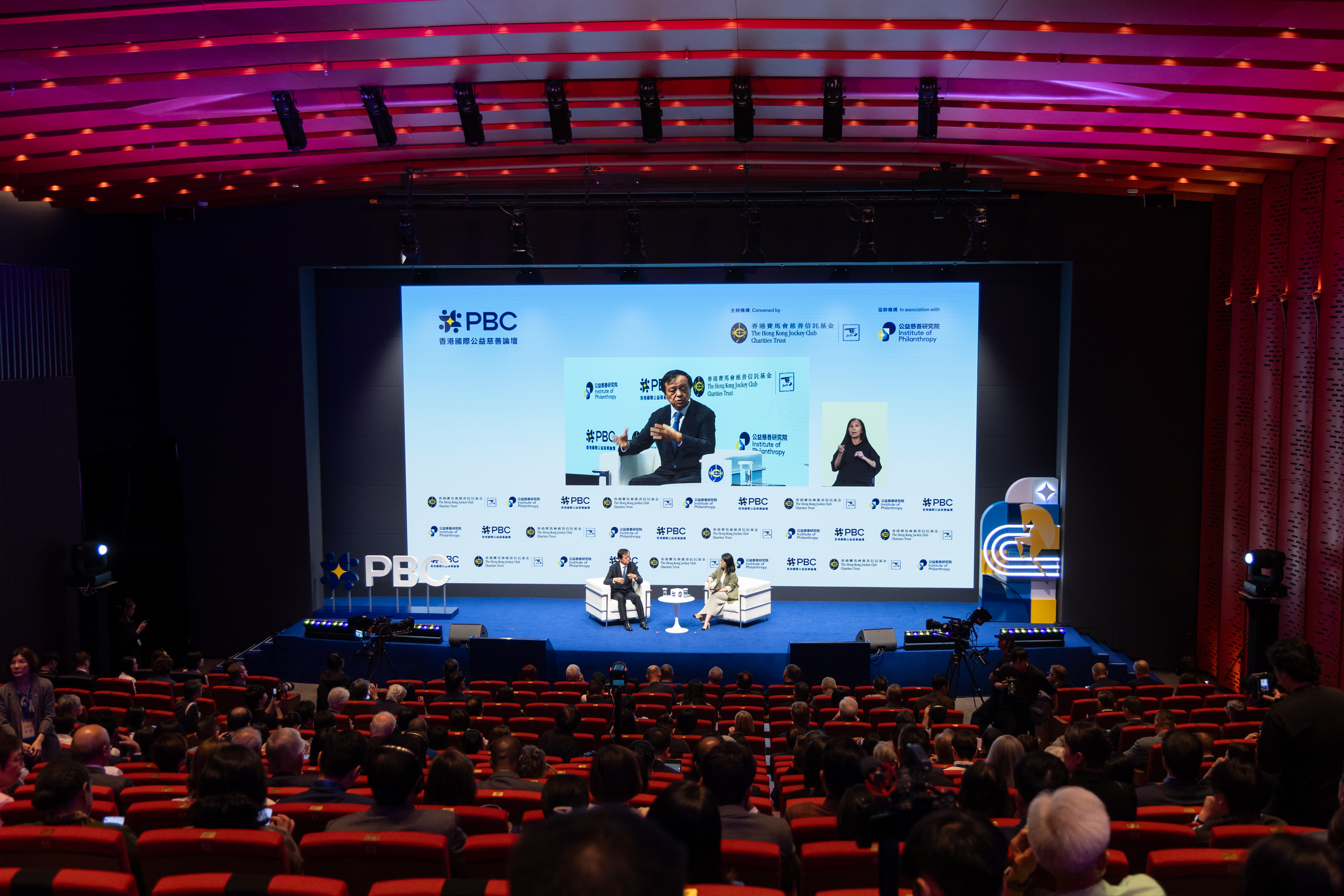
The session explored how capital markets might be redesigned to serve small and medium-sized enterprises more effectively, especially those far from traditional finance. Moderator Katy Yung framed the discussion around a clear mismatch: SMEs and micro businesses are central to jobs, livelihoods and community resilience, yet existing financial models often struggle to assess their risk, understand their cash flows or reach them at scale. In response, Charles Li set out a vision for a new market structure that could channel capital into these businesses more directly.
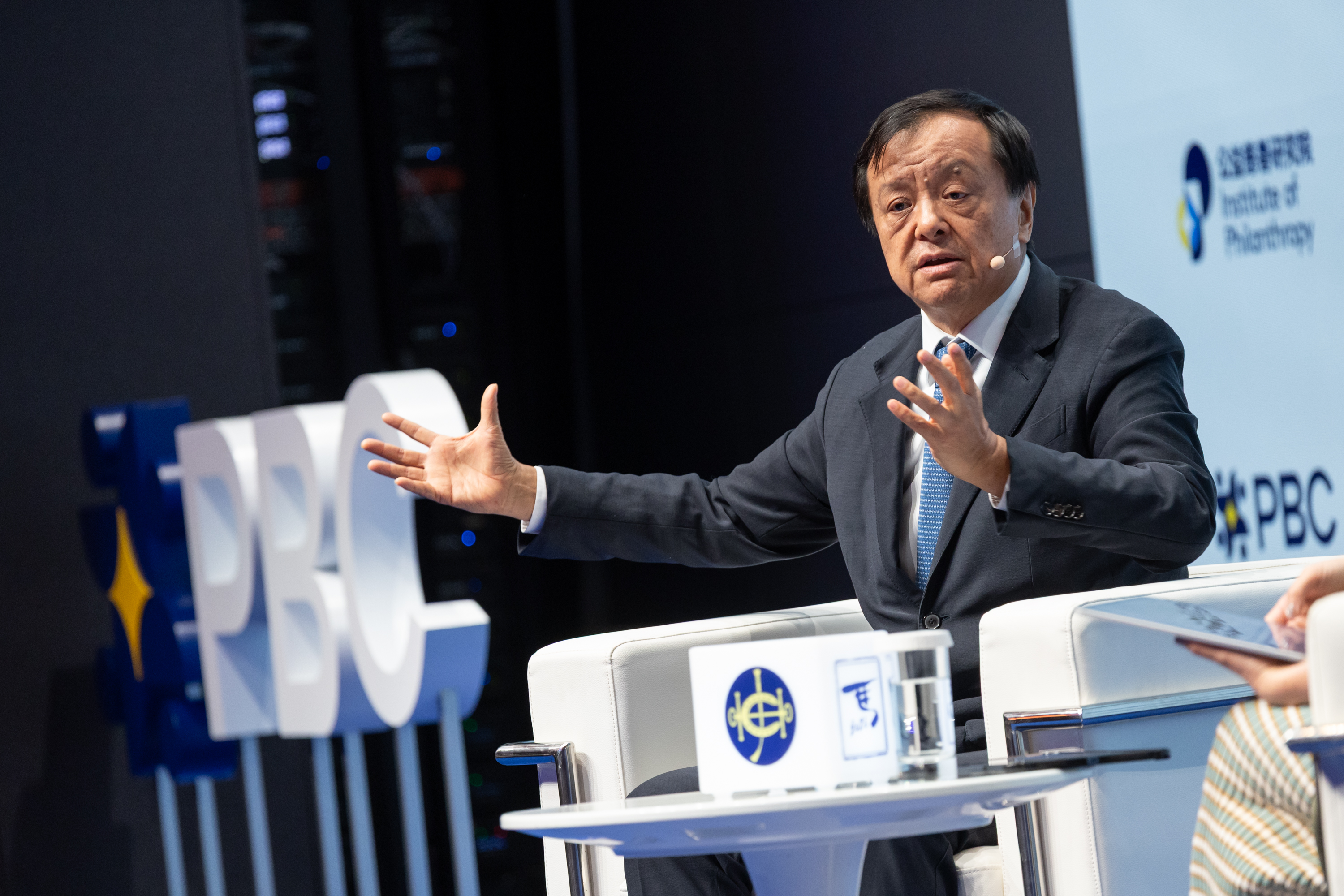
Li presented this as part of a broader effort to connect capital to parts of the real economy that conventional finance has often left behind. Drawing on his own career, he described Micro Connect as an attempt to remove barriers that keep money from reaching small businesses, especially in consumer-facing sectors. Although the company began in China, he argued that the problem is global, particularly across the Global South, where growth depends heavily on large numbers of small businesses rather than a relatively small group of major listed firms.
A central theme was information. Li argued that traditional finance depends on costly, labour-intensive due diligence, reporting and verification, making it hard to serve very small businesses or contracts economically. Digital payments and operating data now make much greater transparency possible at the level of individual shops and transactions, but he said Micro Connect initially underestimated the burden of processing such granular, fast-moving information. He spoke candidly about reaching a point, two years earlier, where the model seemed close to unworkable because it would have required tens of thousands of people to handle underwriting, monitoring and disclosure each day.
He identified recent advances in AI, especially agent-based systems, as the development that may make the model viable. In his account, AI matters less as a stand-alone technology than as an enabler of a different market design. Rather than treating corporations as the basic unit of investment, he proposed treating contracts and cash flows as investable entities that can be split, labelled in detail and combined into diversified portfolios. Investors, in this model, would focus less on onward sale and more on understanding the cash flow, risk and expected return of each contract.
The discussion also touched on investor appetite and catalytic capital. Li suggested that family offices, private credit funds, endowments and sovereign funds may be early adopters, while banks may move more slowly absent the conventional balance-sheet and credit-rating frameworks. He also argued that philanthropic or first-loss capital could help unlock wider participation by absorbing part of the risk and giving other investors greater confidence.
In response to an audience question and in closing, Li said he did not view this model as charity. Rather, he saw it as a sustainable, investable financial system for small businesses – one that could enable philanthropic and social-purpose capital to work with lower cost, greater openness and stronger local reach.